
Last updated October 30, 2026
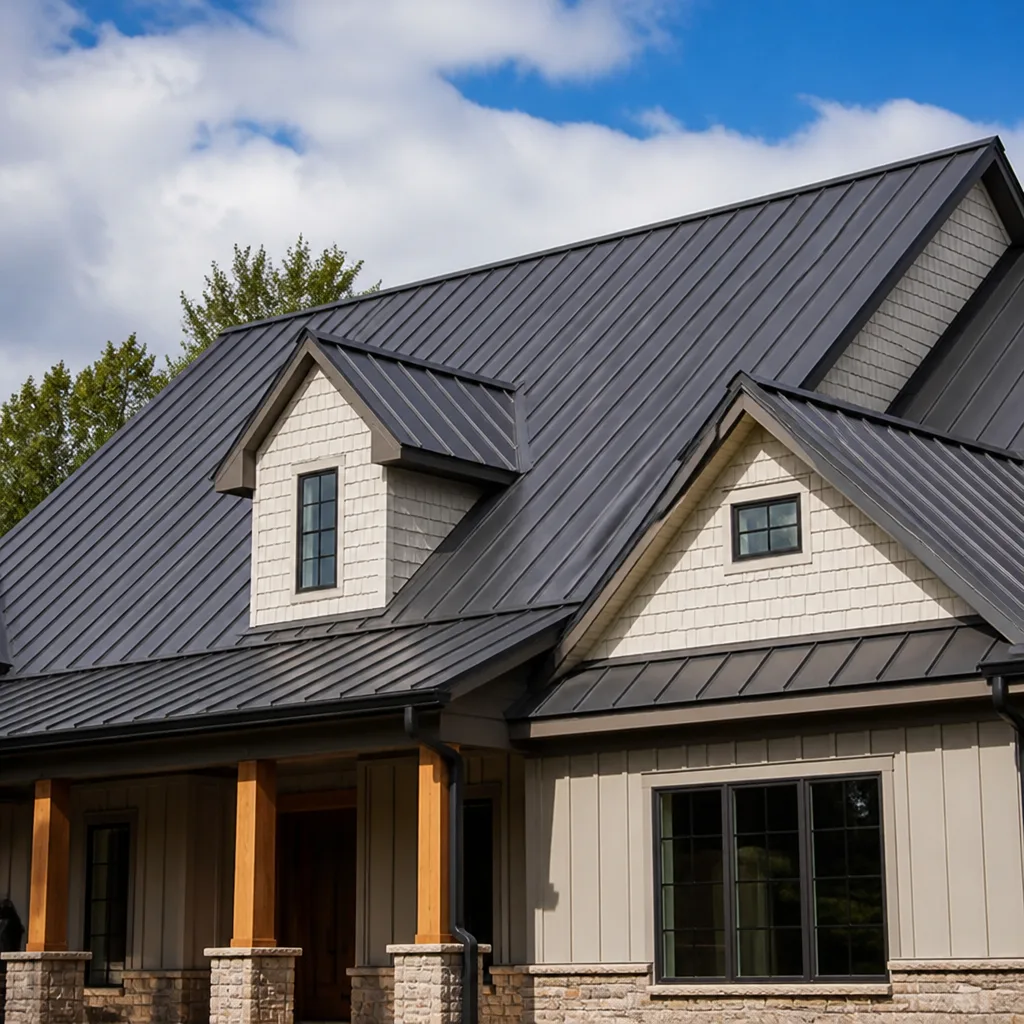 Metal roofing
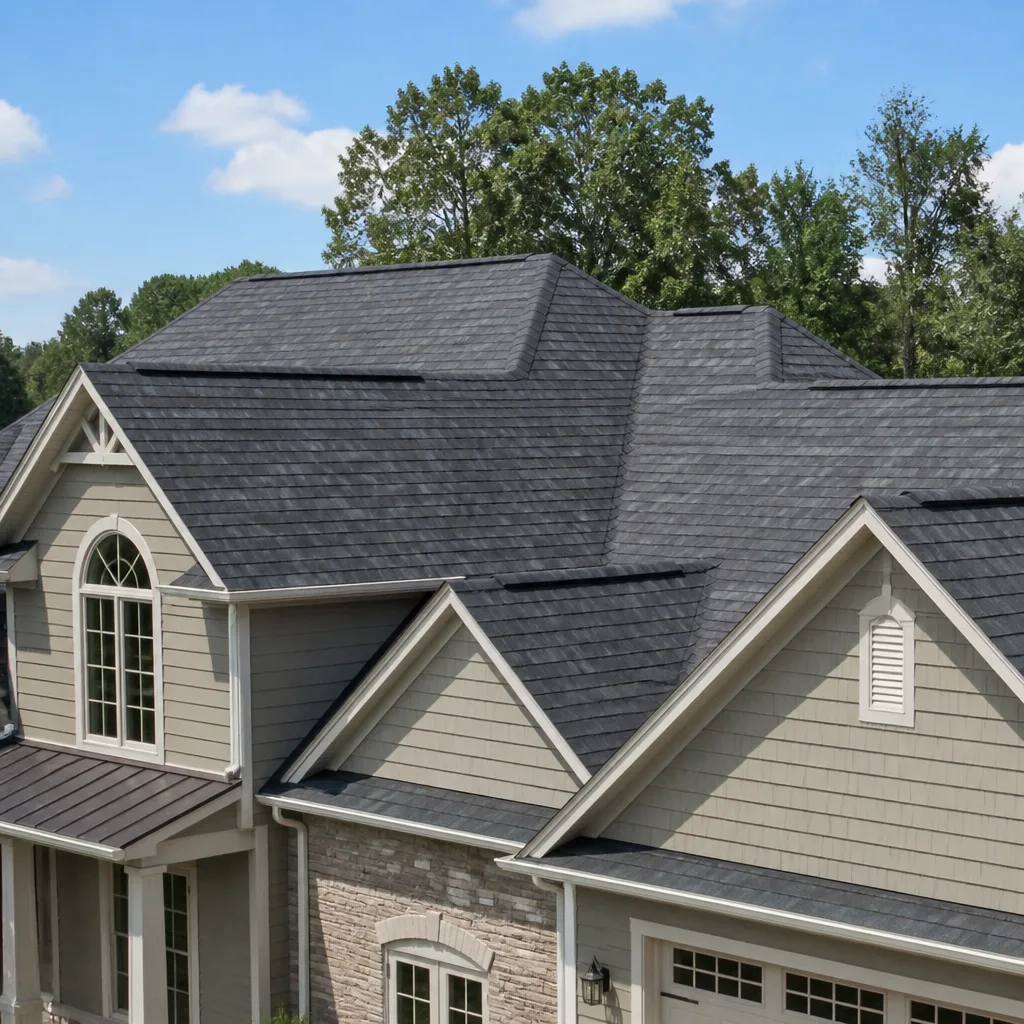
 Architectural shingles
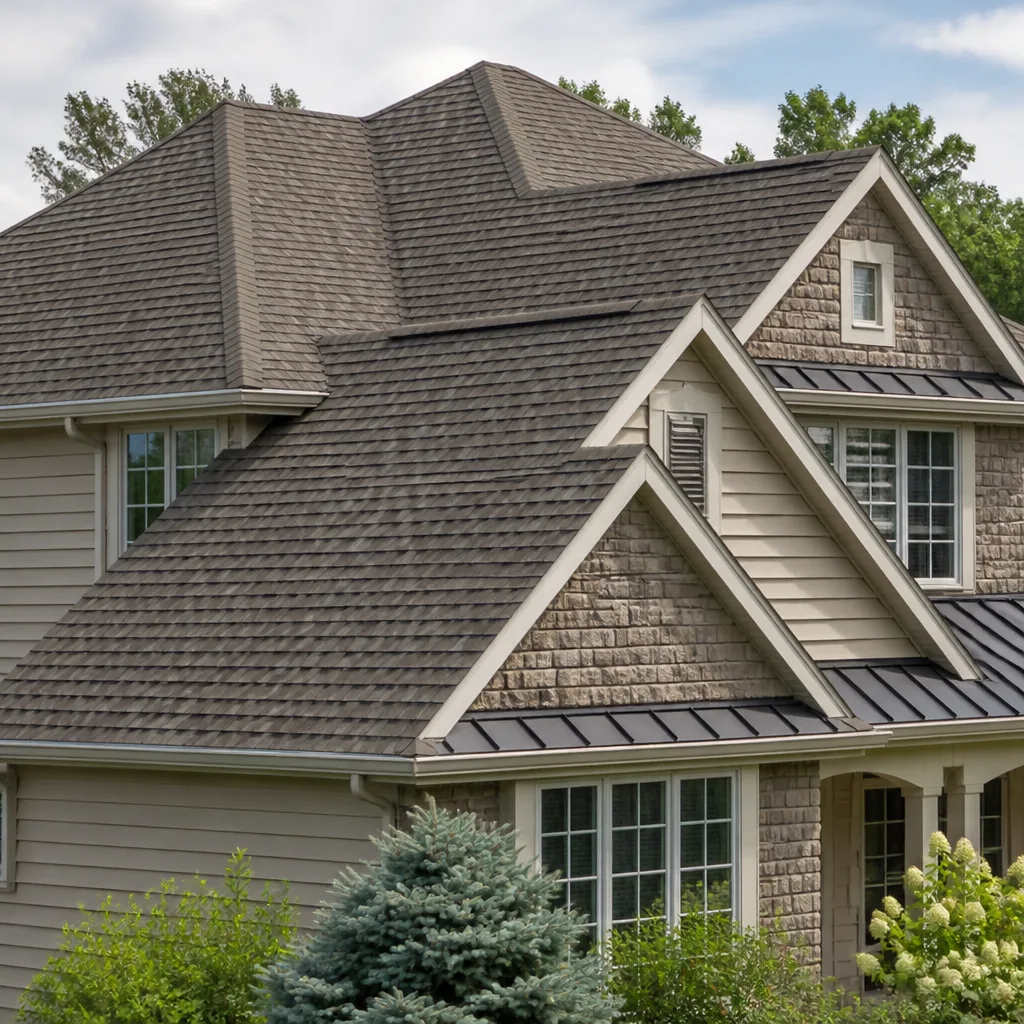
 Tile roofing
 GAF
 Owens Corning
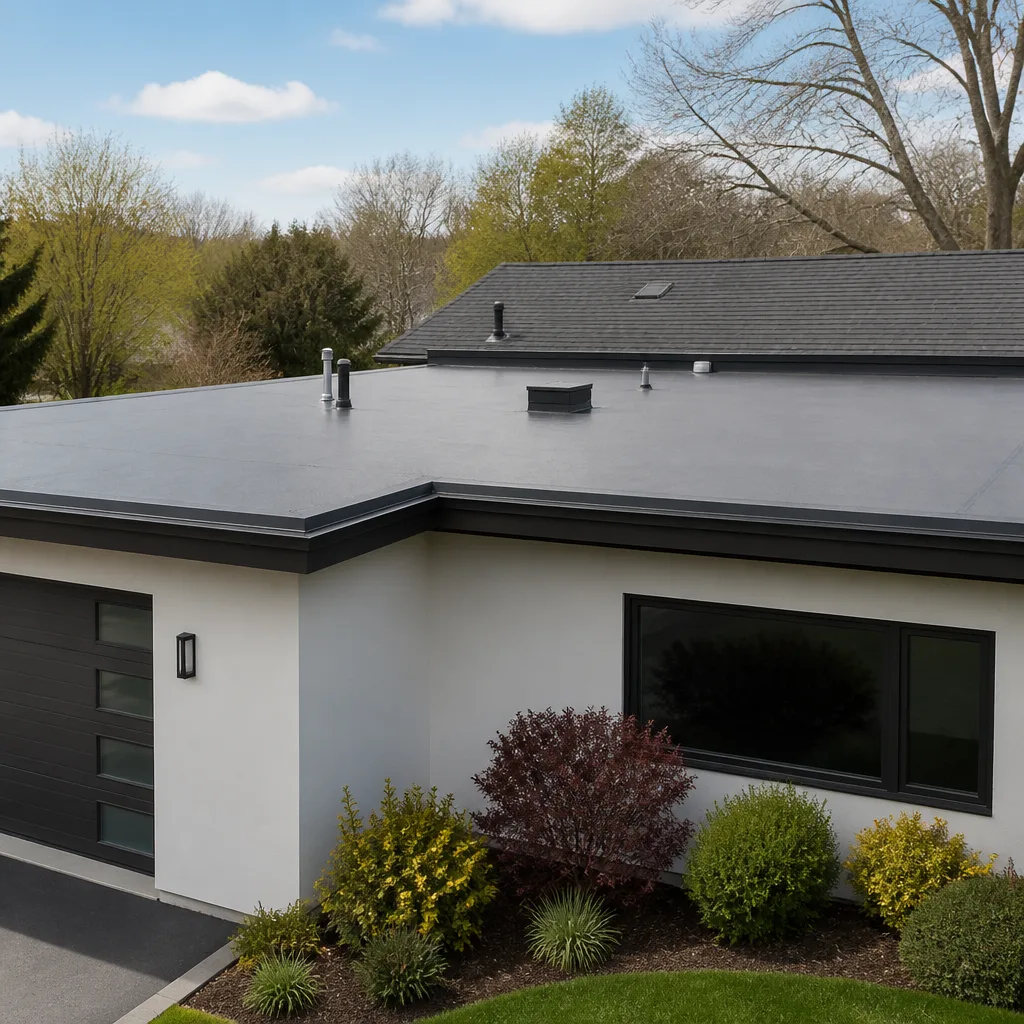 Flat & low-slope
Free roof inspection with deck photos before we talk money - GAF and Owens Corning certified installation
Roofing Permits, Codes & Inspections in CA: What You Need to Know
Unpermitted roofing work is one of the most common red flags real estate agents find during escrow in the San Gabriel Valley. When it surfaces, the seller pays, every time. Sometimes that means a few thousand dollars in permit fees and penalties. Other times it means tearing off a perfectly good roof because the work can’t be verified against current code. This guide walks you through California’s actual permit triggers, the Title 24 energy requirements most homeowners never hear about until inspection fails, and what unpermitted work really means for your insurance and resale value. For Roofing Warning Signs: A El Monte Homeowner’s Reference Guide, see our related resource. We’re writing this from El Monte, where we see these situations play out in neighborhoods from Mountain View to the river district, and the rules here apply across most of Los Angeles County.
Quick Answer
Most full roof replacements in California require a building permit, while repairs covering less than 10% of the roof surface and not involving structural changes are often exempt. The permit comes from your local building department, not the state, so El Monte’s requirements may differ slightly from neighboring cities. You need to verify trigger points before work starts, because unpermitted roofing can void insurance coverage and create a title defect when you sell.
Styles & brands we work with
Table of Contents
- What Roofing Work Requires a Permit in California?
- Repair vs. Replacement: The Thresholds That Matter
- Title 24 and Cool Roof Requirements: What Compliance Actually Means
- Building Inspections vs. Insurance Inspections: Not the Same Thing
- Unpermitted Work and Your Homeowner’s Insurance
- Retroactive Permits for Previous Owner Work
- El Monte-Specific Rules and Climate Considerations
- Common Mistakes to Avoid
- When to Call a Professional
- Frequently Asked Questions
What Roofing Work Requires a Permit in California?
California building permits for roofing are issued by local jurisdictions, not by a single state agency. The California Building Standards Code (Title 24, Part 2) sets the baseline, and each city or county adopts amendments on top of it. In practice, El Monte follows the California Building Code with local enforcement through the city’s Building and Safety Division. That local layer is why you’ll hear different answers from roofers in different cities, and why a homeowner in Alhambra may face a slightly different process than one in El Monte.
The general rule: if the work involves removing and replacing the roof covering, a permit is required in most California jurisdictions. There are exceptions, and we’ll detail those next, but the default assumption for any tear-off and re-roof should be that you need a permit.
Here’s what typically triggers a roofing permit in El Monte and most of LA County:
- Full roof replacement – removing all existing roofing material and installing new underlayment and covering, regardless of whether the decking is replaced.
- Re-roofing over existing material – adding a second layer of shingles over the first, if your jurisdiction allows it at all. Many California cities, including several in LA County, restrict this practice. El Monte follows state guidelines that generally discourage overlay roofing, but the permit requirement applies either way.
- Structural repairs – any work involving roof framing, trusses, rafters, or sheathing replacement beyond small isolated patches.
- Changes to roof pitch or design – altering the roof shape, adding dormers, or reconfiguring sections. This crosses into addition territory and always requires plans.
- Solar panel installation or roof-mounted equipment – where attachment points penetrate the roof surface, the supporting roof structure must be evaluated and often upgraded.
What usually does not require a permit:
- Small repairs covering a limited area, provided the work doesn’t involve structural elements
- Replacing individual shingles or tiles after a storm
- Resealing flashing around vents and chimneys
- Cleaning and maintenance work
The square footage of exemption varies. Some California cities set repair permit exemptions at 100 square feet, others use a percentage of total roof area, and some use a “repair vs. replacement” definition that looks at whether the work restores original condition or changes it. You cannot assume the exemption from a neighboring city applies in El Monte. Call the city’s Building and Safety Division and ask about their current repair thresholds. It’s a five-minute phone call that can prevent a much longer headache later.
Repair vs. Replacement: The Thresholds That Matter
The single most important word in California roofing permits is “repair.” If the city classifies your project as repair, you may be exempt. If it’s replacement, you’re permitted. The distinction isn’t always intuitive.
Here’s what the city typically looks at:
- Scope of work – How much of the roof surface is being disturbed? Is the underlayment being replaced, or just the outer covering?
- Structural involvement – Are you touching the decking, rafters, or trusses? Any structural work removes the repair exemption.
- Material change – Are you changing material types (for example, wood shake to asphalt shingle)? Different materials may have different structural load requirements, triggering a permit even for what feels like a small job.
- Layering – Are you adding material over existing material, or removing down to the deck? Overlay work changes roof load and is scrutinized more heavily.
The practical reality we see in El Monte: a leak repair that involves replacing a few shingles and some underlayment felt is almost always exempt. But once that repair grows to, say, 300 square feet of tear-off and re-roof, you’re into replacement territory even though the rest of the roof was left alone. The city’s inspector will classify it based on what actually happened, not what you called it on the estimate.
This matters because of how roofing failures develop in the San Gabriel Valley. Our climate has hot, dry summers and occasional intense winter rain. A roof that looked fine in August can reveal widespread underlayment deterioration when the first real storm hits in December or January. At that point, the repair versus replacement analysis changes quickly. What started as a patch becomes a re-roof, and the homeowner who didn’t pull a permit for the patch now has an unpermitted re-roof on their hands. If you’re uncertain about which category your project falls into, call the El Monte Building and Safety Division before work starts, or have a roofer handle the permit verification for you. At Vista Roof Repair, we verify permit requirements as part of every estimate so homeowners know exactly where they stand before any work begins.
Title 24 and Cool Roof Requirements: What Compliance Actually Means
California’s Title 24, Part 6 – the Building Energy Efficiency Standards – applies to roof replacements in ways most homeowners never learn about until after the fact. If you’re replacing a roof in El Monte, your new roofing material has to meet specific solar reflectance and thermal emittance minimums unless you qualify for an exemption. Our Seasonal Roofing Care for El Monte: Year-Round Homeowner’s Guide covers how these requirements shift with the seasons.
The short version: in California’s climate zones, which include El Monte’s Zone 9, a roof replacement must comply with cool roof standards for low-slope and steep-slope residential roofs. A roof that fails this requirement can still be installed, but the project won’t pass final inspection.
What does compliance look like in practice?
- Cool Roof Rating Council (CRRC) certification – the roofing material must be listed in the CRRC directory with tested values for solar reflectance and thermal emittance that meet or exceed the state minimums.
- Steep-slope roofs (greater than 2:12 pitch) – the requirement is typically a minimum aged solar reflectance of 0.20 and thermal emittance of 0.75, or a solar reflectance index (SRI) that satisfies the code’s alternative compliance path.
- Low-slope roofs (2:12 or less) – the standards are stricter, typically requiring aged solar reflectance of 0.63 or higher and thermal emittance of 0.75 or higher.
Both major shingle manufacturers and our own supplier relationships make this manageable. GAF, CertainTeed, and Owens Corning all offer CRRC-listed shingle lines that meet Title 24 requirements, and many of the mid-range options from Boral and other manufacturers are also compliant. For help selecting, see our Choosing the Right Roofing Brand: A Buyer’s Guide for El Monte. The key is checking the CRRC listing for the specific color and product line, not just the brand. A dark charcoal shingle from one manufacturer may fail while a lighter color from the same line passes. We check CRRC compliance as a routine part of material selection for every El Monte replacement, because it’s the difference between passing inspection on the first try and reordering material after a failed final.
There are exemptions – for example, roof replacements where the new material covers less than 50% of the roof area or where the roof is under a structural roof deck with a ventilated air space – but these are narrow. If you want the exemption, you need to document which code section you’re claiming it under. Assuming it’ll be fine because “it’s just a small section” is not a strategy.
Building Inspections vs. Insurance Inspections: Not the Same Thing
A common point of confusion: your city inspector passed the roof, so your insurance company must be satisfied too. Not true. These are entirely different processes with different purposes and different outcomes.
A city building inspection verifies code compliance at the time of installation. The inspector checks that the underlayment was installed correctly, the nailing pattern meets manufacturer specifications, the flashing details are sound, and the material meets Title 24 energy requirements. The inspection is a point-in-time snapshot of the work as installed.
An insurance inspection is a risk assessment. The insurer is evaluating the condition of the roof relative to the risk of future claims. The insurer may decline coverage or raise premiums based on the roof’s age, material type, installation quality, and whether the work was permitted. Some insurers will not write a policy on an El Monte home with a roof over 20 years old, regardless of what the city said about it. Others will write the policy but exclude roof damage from coverage until the roof is replaced.
Here’s the part most homeowners miss: passing one doesn’t guarantee the other. A city inspector can sign off on a roof that an insurance company later rejects because the insurer’s underwriting guidelines are more conservative than the building code. The city cares about minimum code compliance. The insurer cares about its claim exposure. Those are not the same standard.
This distinction shows up clearly in El Monte after major storm seasons. Homeowners with older roofs that passed city inspection years ago file claims after wind or rain damage, and the adjuster’s first question is about the roof’s age and installation history. If the roof is past the insurer’s serviceable life – regardless of its current condition – the claim may be denied. This is why we tell every El Monte homeowner near replacement time: when your roof crosses the 15-year mark, start planning. You don’t want to be negotiating your insurer’s roof conditions after a storm has already taken off shingles. A standalone roof inspection in El Monte documents the roof’s actual condition and gives you a dated record to reference with your insurer.
Unpermitted Work and Your Homeowner’s Insurance
Unpermitted roofing work creates a specific kind of risk for homeowners that most people don’t understand until they’re in the middle of a claim. The insurance problem isn’t theoretical – it’s a documented pattern in California claims handling.
If a homeowner files a claim for roof damage, the insurer’s adjuster will check the permit history for the property. When the adjuster finds that the roof was replaced without a permit, the insurer has options:
- Deny the claim – if the unpermitted work contributed to the damage or created a condition the insurer didn’t agree to cover, the claim can be denied outright. This happens most often with leaks that trace back to installation errors that a permit inspection would have caught.
- Exclude the roof from coverage – some insurers will continue the policy but remove roof coverage from it, which means all future roof claims are automatically denied.
- Cancel the policy – an insurer can cancel a policy if it determines the property’s condition was misrepresented at the time of underwriting, and unpermitted work can be grounds for that.
- Pay the claim at reduced value – the damage is covered, but the unpermitted roof’s value is comped at its actual cash value rather than replacement cost, meaning the homeowner receives far less than the repair bill.
The timing matters too. If the unpermitted work was done by a previous owner and the current homeowner filed the insurance application without knowing about it, the insurer’s position is often that the homeowner should have discovered it during their own due diligence. “I didn’t know” is not a defense the insurer accepts, and it’s not a defense the city accepts either.
In El Monte, where much of the housing stock dates from the 1950s through the 1970s, many homes have had multiple roofing generations. Some of that work predates modern permitting systems entirely. But a 2005 re-roof without a permit is a current problem, not a historical footnote. If you’re buying a home in El Monte, check the permit history for the roof. If the seller can’t produce the permit, price the remediation cost into your offer or walk away. If you’re selling, address the permit gap before listing. You’ll pay either way, but it’s always cheaper to fix on your own timeline than in escrow under pressure.
Retroactive Permits for Previous Owner Work
Yes, you can generally permit roofing work after the fact in California. The process is called retroactive permitting or “limited approval,” and it’s how El Monte and most LA County cities handle unpermitted work that previous owners completed. The question isn’t whether retroactive permitting is possible – it’s what the process requires and what it might expose.
Here’s how retroactive permitting typically works in El Monte:
- Verify the work is still compliant – the city’s inspector will evaluate the existing roof against current code. If the work was done years ago, it may not meet today’s standards, and the inspector may require corrections before issuing the permit.
- Document the discovery – you’ll need to explain how you discovered the unpermitted work (typically during a home purchase or when listing for sale) and why you’re seeking the permit now.
- Pay the permit fees and any penalties – retroactive permits cost the same as regular permits, and some cities add a penalty multiplier for work done without a permit. El Monte’s fee schedule is available through the Building and Safety Division.
- Pass inspection – the inspector will need access to the areas that matter: the underlayment at eaves and ridges, flashing details at penetrations, and nailing patterns where visible. If the inspector can’t see these areas without destructive testing, that testing may be required.
When is retroactive permitting required versus optional? It’s required when the unpermitted work is discovered during a sale and the buyer’s lender or insurer demands it. It’s required when you’re making other permitted changes to the home and the building department discovers the roof during plan review. It’s optional – but generally wise – when you plan to sell within a few years and don’t want the escrow complication. It’s also optional when you’re staying in the home indefinitely and don’t plan to file insurance claims. But that last scenario rests on the assumption that no storm will ever damage your roof, and in El Monte’s winter rain season, that’s a risky bet.
The most important part of retroactive permitting: you need a roofer who can open the roof for inspection, document what’s beneath the surface material, and make any corrections the inspector requires. This is where roof repair in El Monte and full replacement work overlap. Sometimes the inspector finds the existing work is sound and the permit is issued with minor corrections. Sometimes the inspector finds the underlayment was installed incorrectly and you’re looking at a partial or full roof replacement in El Monte. You won’t know until the roof is opened, and the opening itself needs to be done in a way that doesn’t create new leaks.
El Monte-Specific Rules and Climate Considerations
El Monte sits in LA County’s San Gabriel Valley, which means our roofing requirements are shaped by three local realities: the Los Angeles County Building Code amendments that apply to our city, the specific climate conditions of the valley, and the age and composition of El Monte’s housing stock. Understanding these makes the permit process much more predictable.
Climate factors that affect El Monte roofs:
- Hot, dry summers – daytime highs over 95°F for weeks at a time put significant thermal expansion stress on roofing materials. Underlayment degrades faster here than in coastal areas.
- Intense winter rain – El Monte receives most of its annual rainfall between December and March, and the rain can fall in concentrated bursts that overwhelm older drainage systems.
- Santa Ana winds – seasonal wind events can exceed 40 mph in the valley, lifting shingles, exposing underlayment, and creating the kind of wind damage that insurance claims are built on.
- UV exposure – our inland location means no marine layer to filter ultraviolet radiation. Shingles and tiles in El Monte age faster than in beach cities.
Housing stock considerations:
Most single-family homes in El Monte were built between 1950 and 1980. That means many roofs in the city are second-generation or third-generation replacements, and a meaningful portion of the older work was done under less rigorous code standards than today’s. When we open those roofs for inspection or replacement, we regularly find issues that the original installer would not have been required to address: missing drip edge, insufficient sheathing thickness, outdated flashing details.
Local enforcement:
El Monte’s Building and Safety Division reviews permit applications and conducts field inspections at key stages – typically underlayment inspection before the roof covering is installed, and a final inspection after completion. The city’s inspectors are familiar with the valley’s roofing challenges and will look specifically for wind-resistant installation details, proper flashing at valleys and penetrations, and Code-compliant drip edge. Some contractors tell homeowners they’ll handle the permit and then skip the inspection. Don’t let that happen. You can verify the permit status directly with the city, and you should.
Common Mistakes to Avoid
- Assuming all repairs are permit-free. The repair exemption in California is about scope and structural impact, not about the word “repair” itself. A large tear-off and re-roof of half the roof is a replacement in the city’s eyes, even if the roofer calls it a repair. If you’re uncertain, get the city’s answer in writing.
- Skipping the Title 24 cool roof check. Installing a roof in an El Monte home that doesn’t meet CRRC minimums means a failed final inspection and a reorder of materials. The roof wasn’t cheaper. It was more expensive, plus the delay.
- Trusting that a city inspection covers everything. The city inspects for code compliance. It does not assess the roof’s remaining life, the installation quality against manufacturer warranty standards, or whether your insurance company will accept the roof. Those are separate evaluations.
- Believing unpermitted work is too old to matter. A 15-year-old unpermitted roof is still discoverable in a permit search, and an insurance adjuster is absolutely going to run that search before approving a roof claim. Time doesn’t launder the permit.
- Not getting a permit history before buying. El Monte home purchases should include a permit history review for the roof. If the seller can’t produce the permit and the roof has clearly been replaced since original construction, build the remediation into the deal or choose another property.
- Assuming your roofer pulled the permit because they said they would. The permit should be posted at the job site or verifiable through the city’s online portal. If you can’t verify it, assume it wasn’t pulled. The homeowner is legally responsible for the unpermitted work even when the contractor promised to handle permits.
When to Call a Professional
If you’re navigating a roof replacement where the existing roof was installed without a permit, and you’re not sure whether the city will require corrections, call a roofer who has done retroactive permits in El Monte before. The process is familiar to us, and the way the roof is opened for inspection matters for keeping the home watertight during the process. If you’re in escrow and the roofing permit gap has surfaced, call immediately – this is time-sensitive, and waiting means the seller’s agent starts making decisions for you. If you’re not sure whether your project is a repair or a replacement under the city’s current rules, we’ll tell you what your roof actually needs based on an inspection, not on what generates the biggest invoice. Vista Roof Repair offers free estimates in El Monte – call (866) 253-8145 to schedule yours.
Frequently Asked Questions
Yes, a full roof replacement requires a building permit in El Monte and most California jurisdictions. The permit is issued by the city’s Building and Safety Division, not by the state, and it covers the tear-off, underlayment installation, and final roof covering. Repairs affecting less than 10% of the roof surface and not involving structural changes are often exempt, but verify that threshold with the city before assuming your project is covered by the exemption. Call (866) 253-8145 if you want a roofer to check permit requirements for your specific project.
Roofing permit fees in El Monte are calculated based on the project valuation, typically falling between $150 and $500 for a standard residential re-roof, but the exact amount will depend on the declared value of the work and current fee schedules. Contact the city for the current fee range and include the permit cost in your total project budget. The permit fee is a small fraction of what unpermitted work will cost you if it surfaces during a sale or insurance claim.
It can delay or kill the sale if the buyer’s lender or insurer requires the permit issue to be resolved before closing, which happens regularly in El Monte and throughout the San Gabriel Valley. The most common outcome is that the seller pays to correct the problem in escrow, either by retroactive permitting or by bringing the roof into compliance with current code. If you know about the issue before listing, handling it on your own timeline is the less expensive path.
They’re two parts of the same process. The permit is the authorization to do the work, issued before you start. The inspection is the city’s verification that the completed work meets code, performed at key stages and at project completion. Many people say “do I need an inspection?” when they mean “do I need a permit?” – you need both for a replacement roof, and the permit comes first.
Yes. Insurers commonly deny roof claims when they discover the roof was replaced without a permit, especially if the cause of the damage traces to installation errors that a permit inspection would have caught. The denial can extend to future roof coverage, not just the current claim. If you’re buying a home with an unpermitted roof, get the permit issue resolved before the policy is written.
A retroactive permit resolves the city’s permitting requirements, but it doesn’t automatically satisfy your insurance company’s underwriting standards. The insurer may still decline coverage or exclude the roof based on its age and condition, even after the permit is issued. Treat retroactive permitting as one necessary step, not a cure-all. The same goes for resale: a retroactive permit satisfies the city’s requirements, but buyers and lenders may still negotiate the roof’s condition into the price if the roof is nearing the end of its serviceable life.
The Bottom Line
California roofing permits aren’t a bureaucratic formality. They’re the mechanism that proves your roof was installed to code, that the materials meet Title 24 energy standards, and that the work is insurable and resale-ready. The trigger points for when a permit is required are specific but knowable, and the penalties for getting them wrong run from insurance claim denials to title problems in escrow. The best way to navigate this is to know your roof’s condition first, then get clear answers from the city or a roofer who does this work in El Monte before you decide. Explore more guides & resources on our blog for additional homeowner guidance. An honest assessment beats a permit problem every time. If you’re unsure where your roof stands, start there.
Call (866) 253-8145 to schedule a free roof inspection and estimate with Vista Roof Repair. We’ll tell you what your roof actually needs, and we’ll handle the permitting process from start to finish.
Written by the team at Vista Roof Repair, serving El Monte since 2017.
See the difference
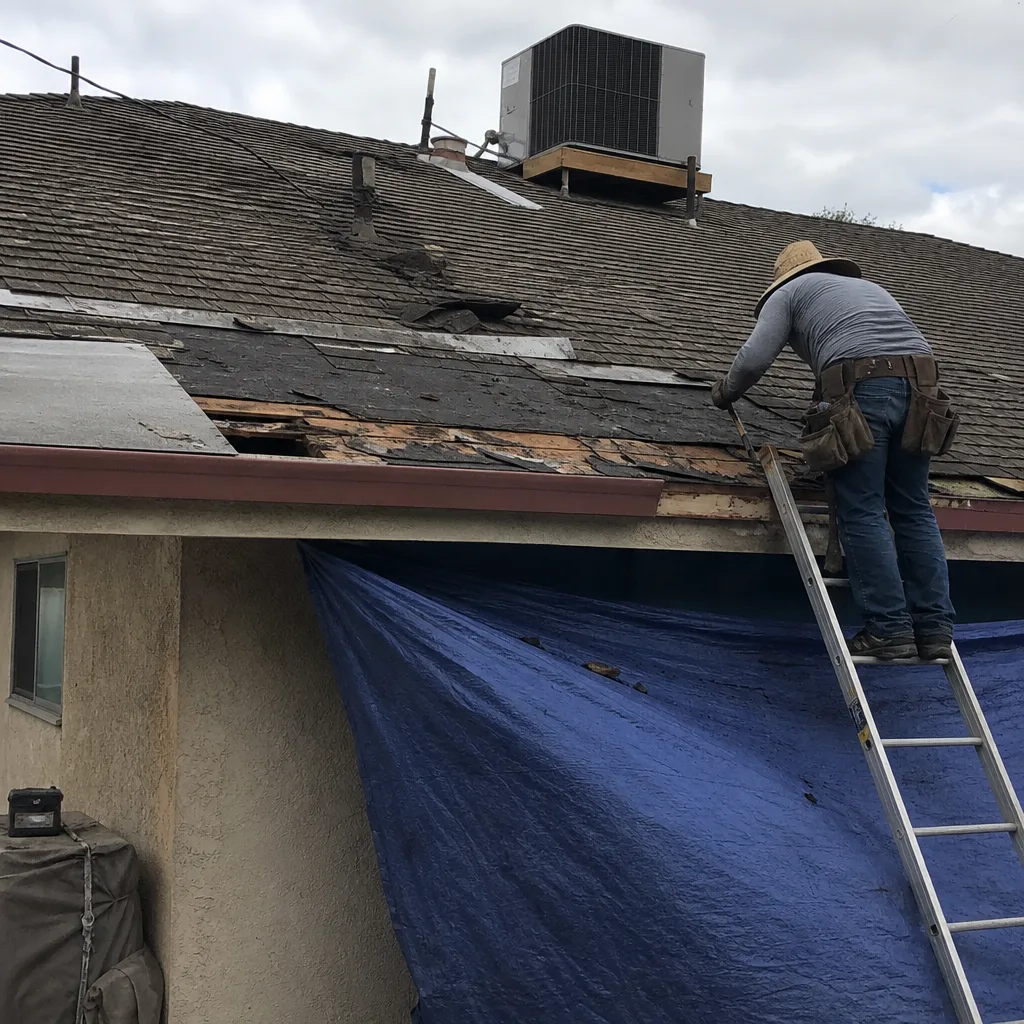 Before
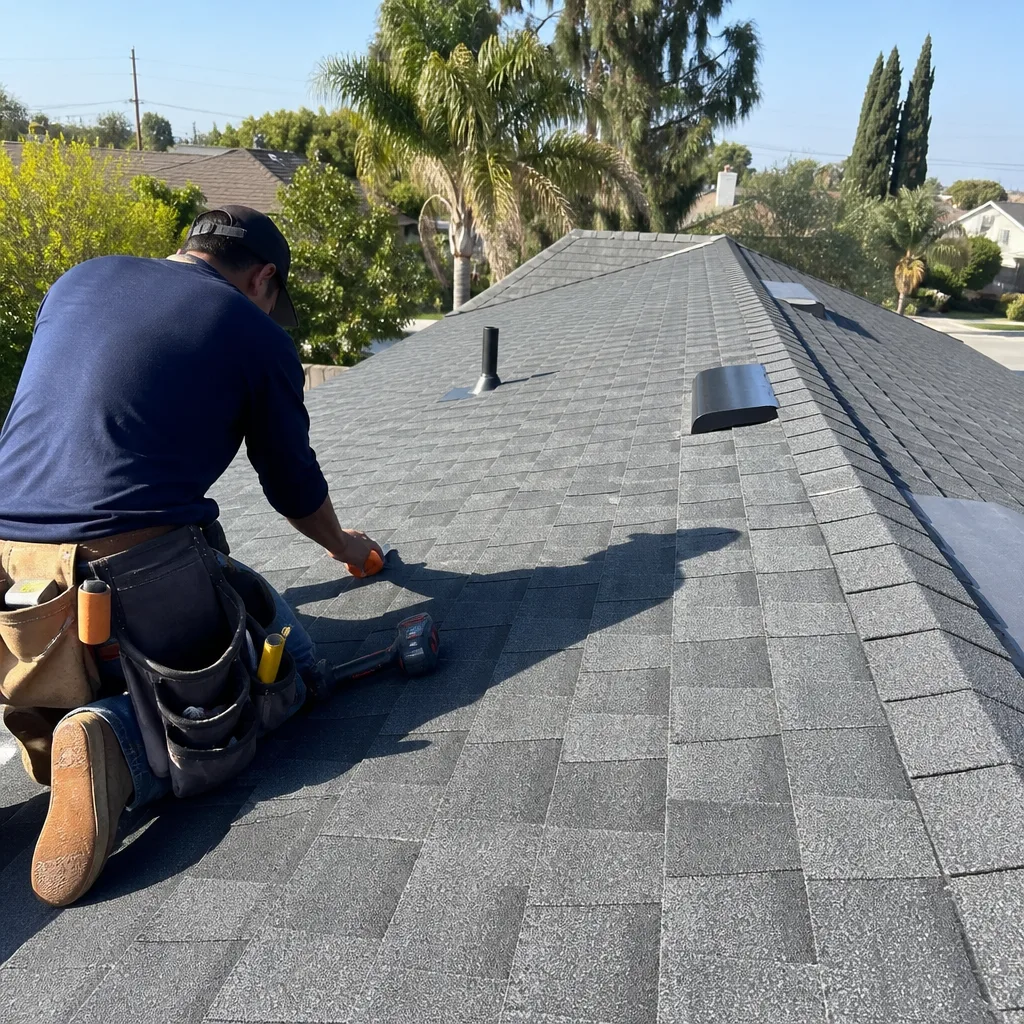 After
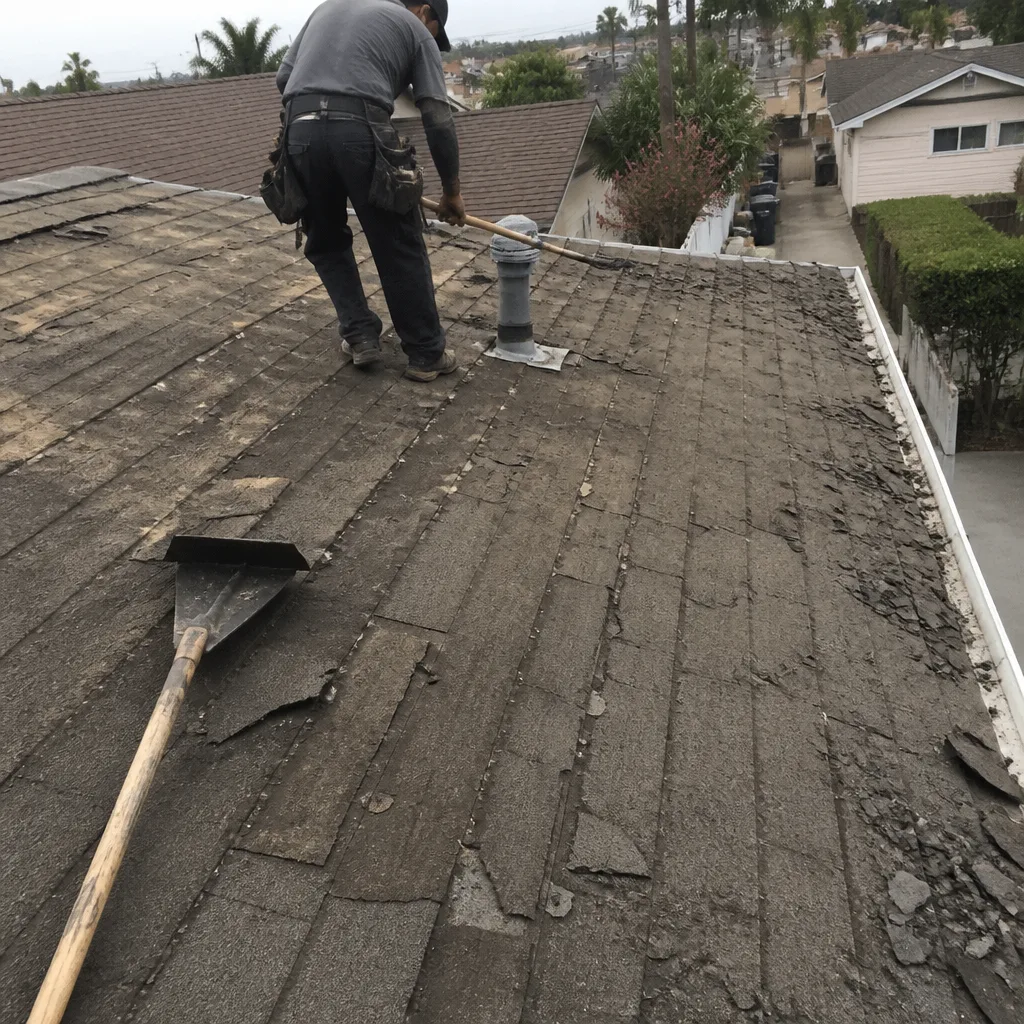 Before
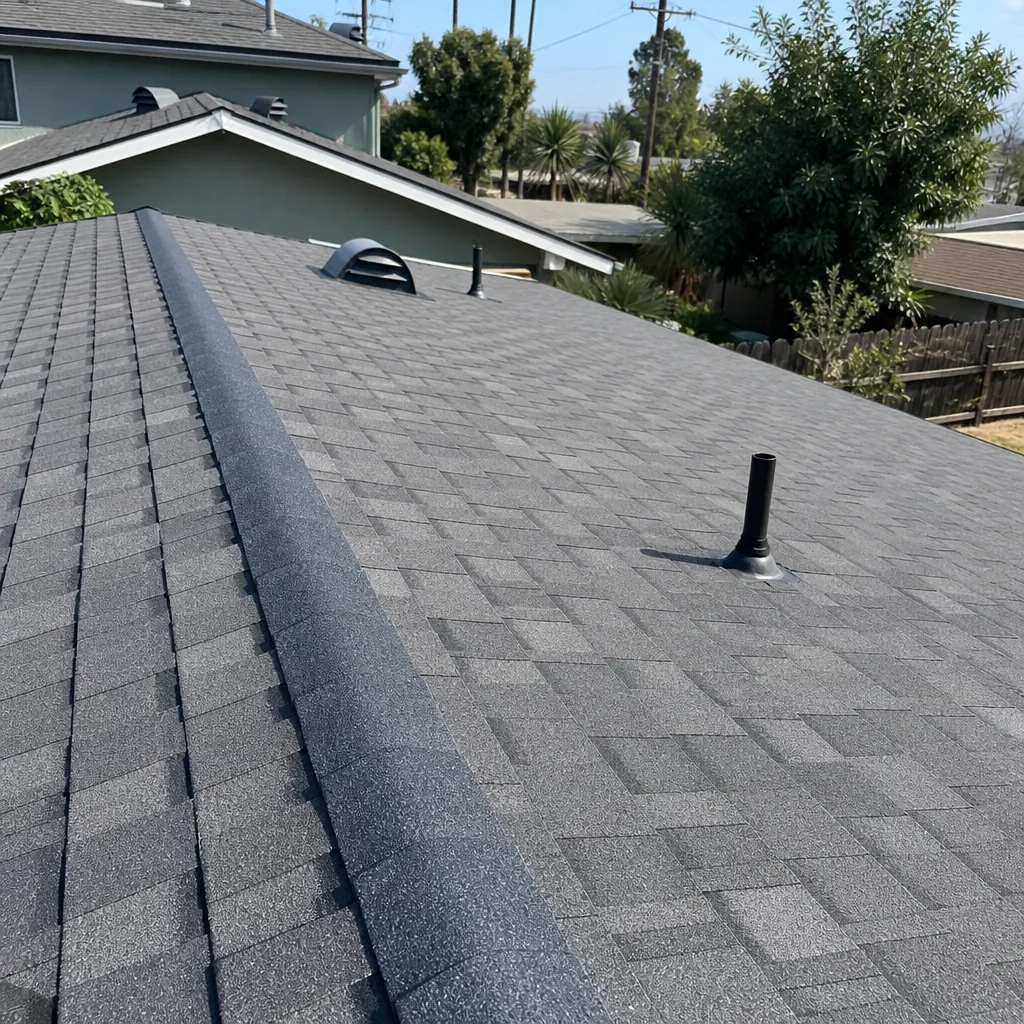 After
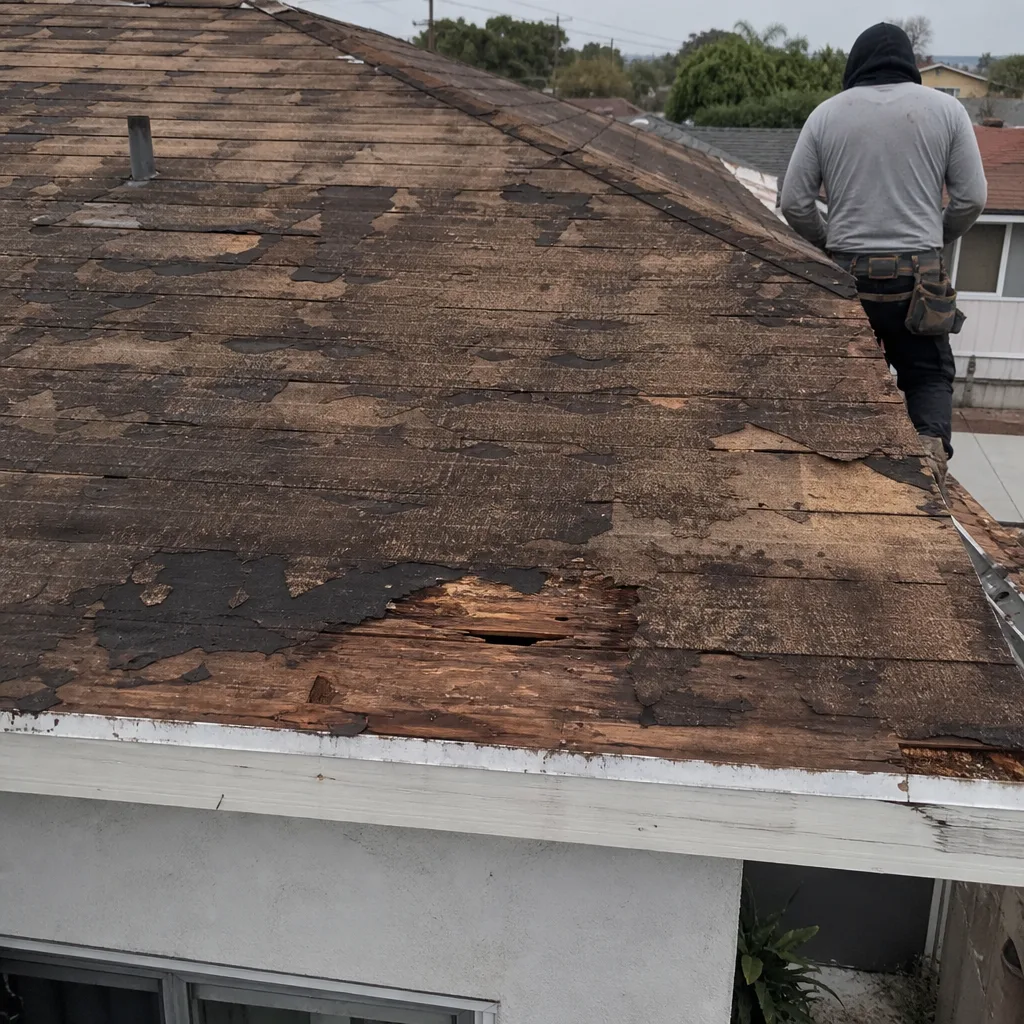 Before
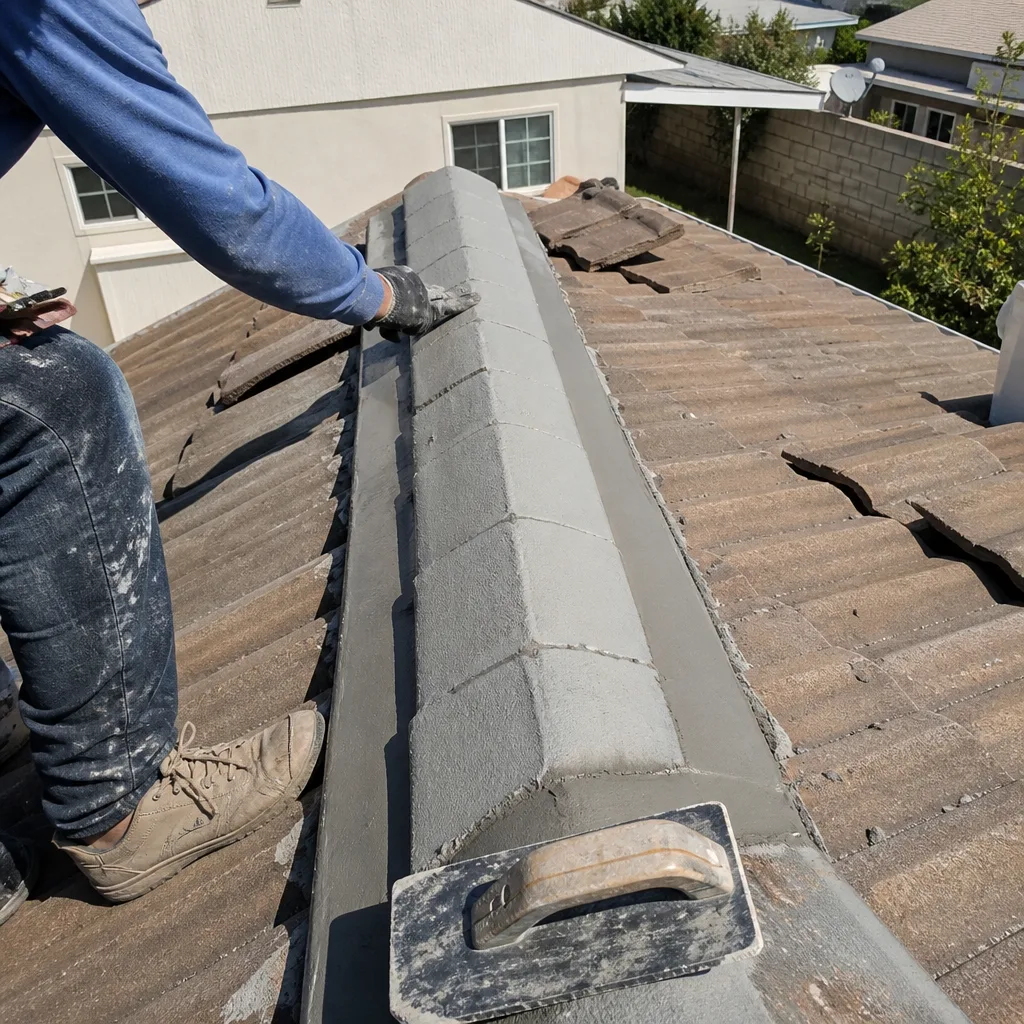 After