Last updated October 30, 2026
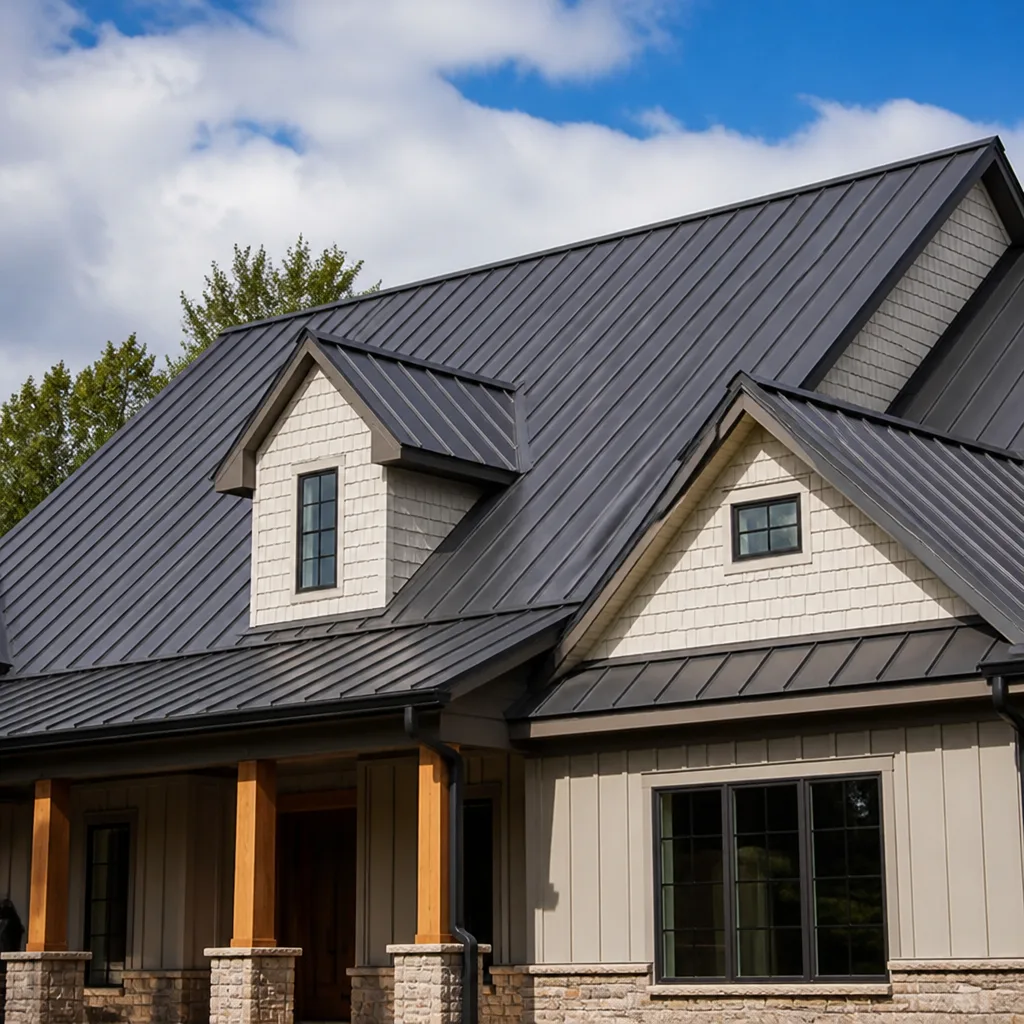 Metal roofing
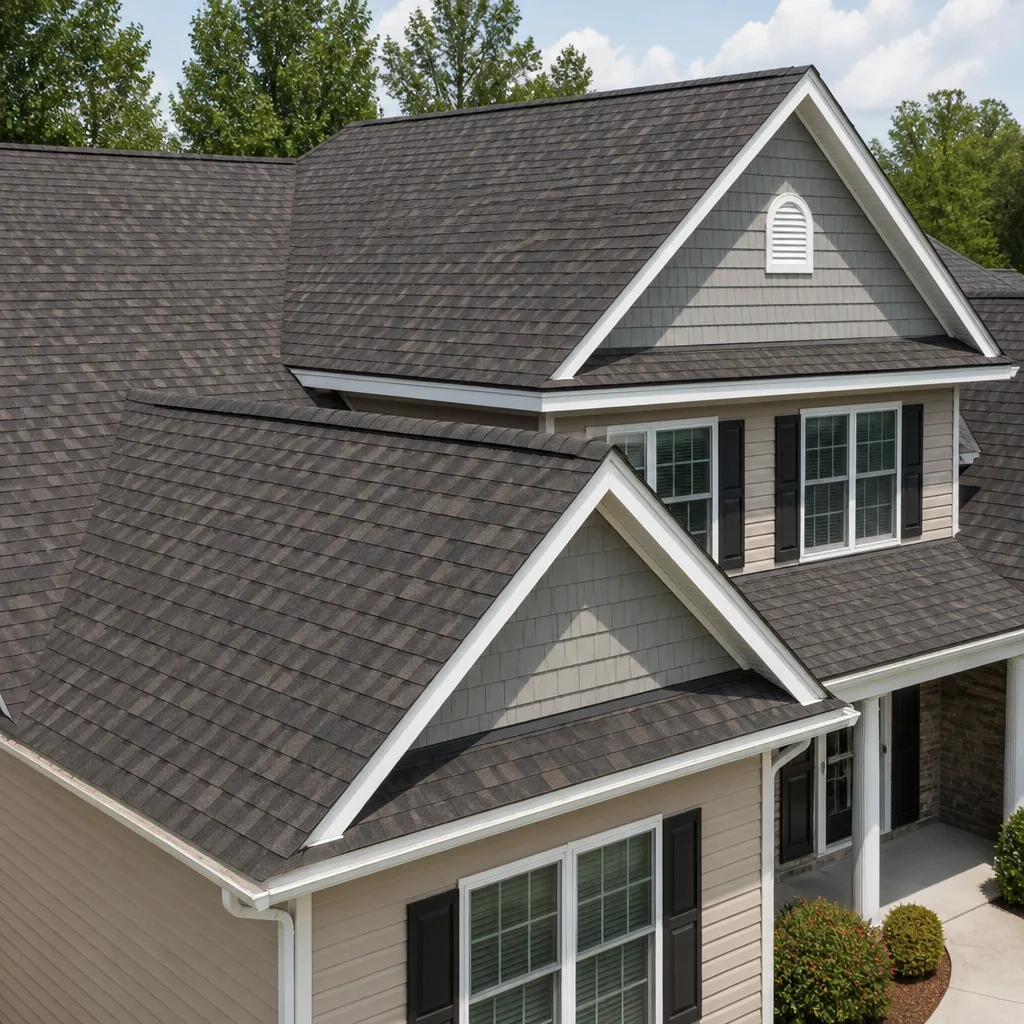 Architectural shingles
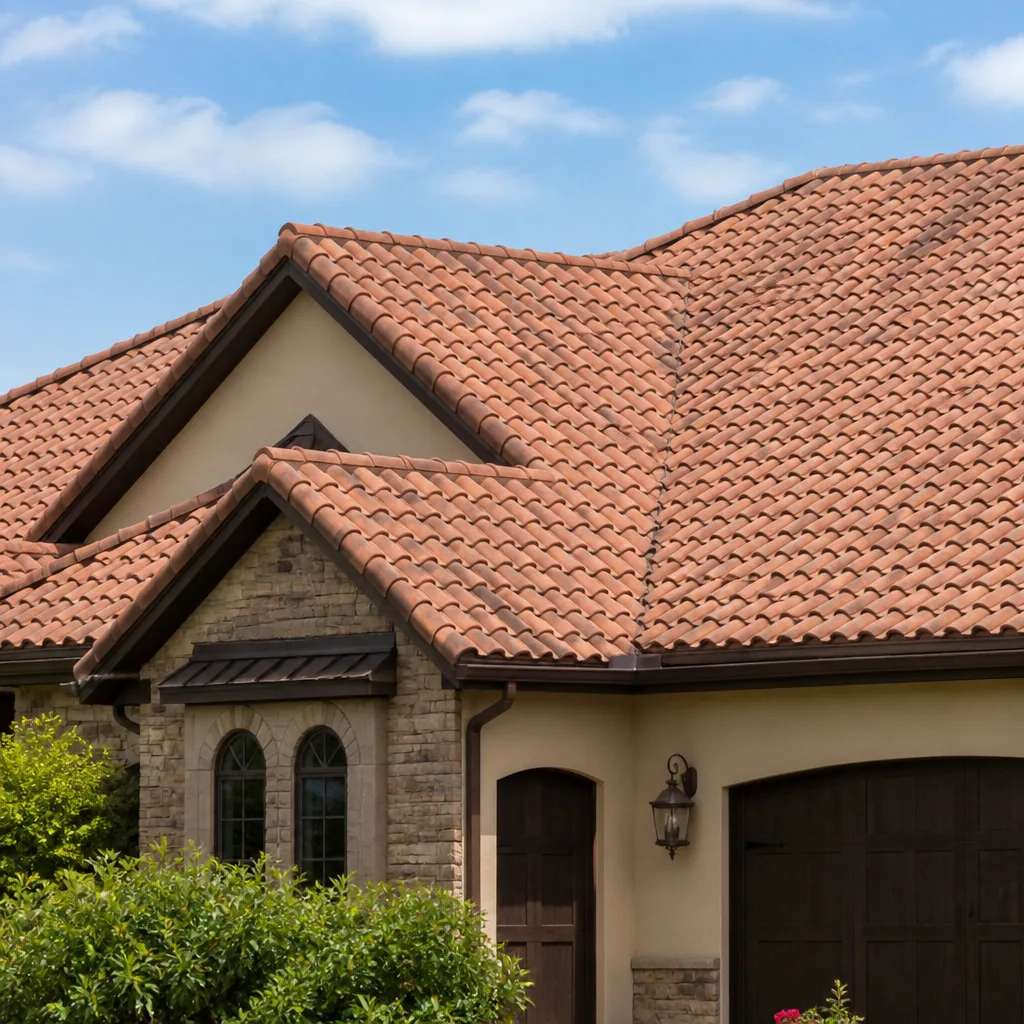 Tile roofing
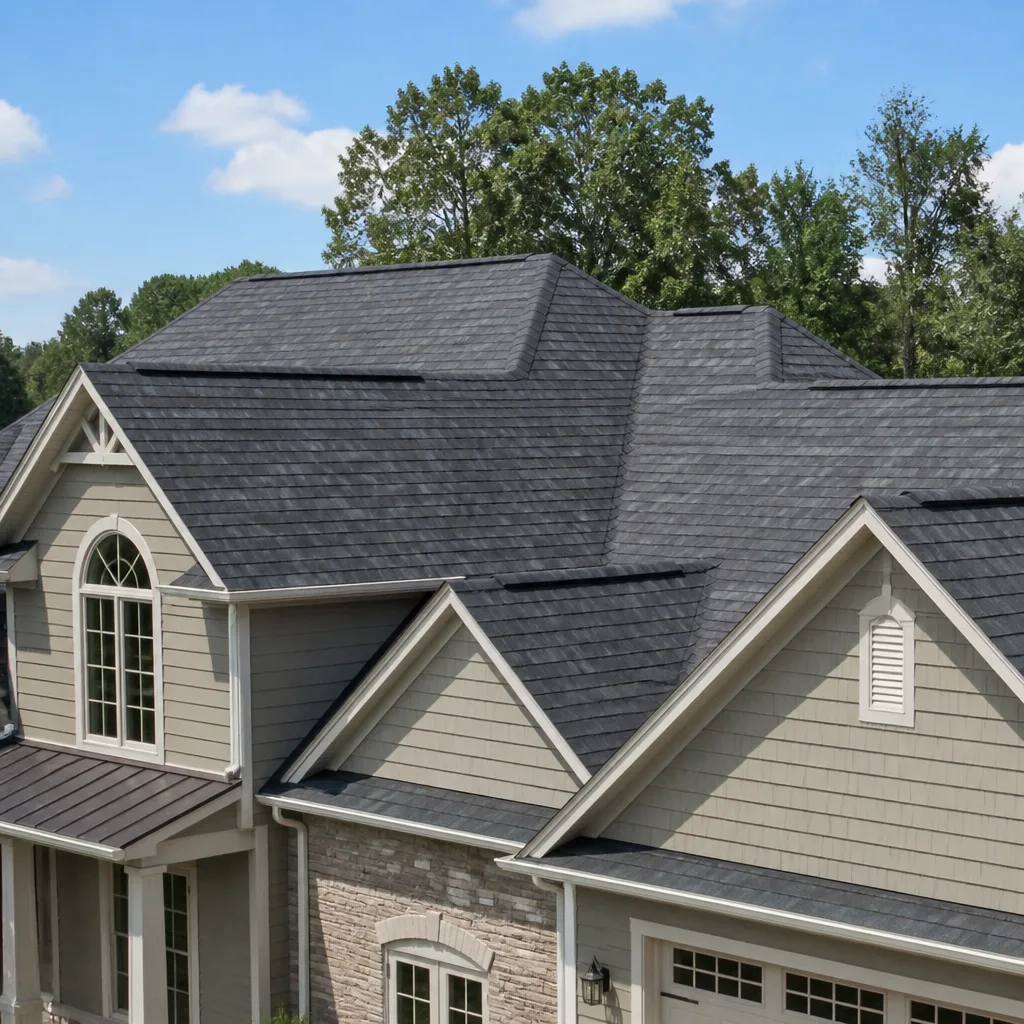 GAF
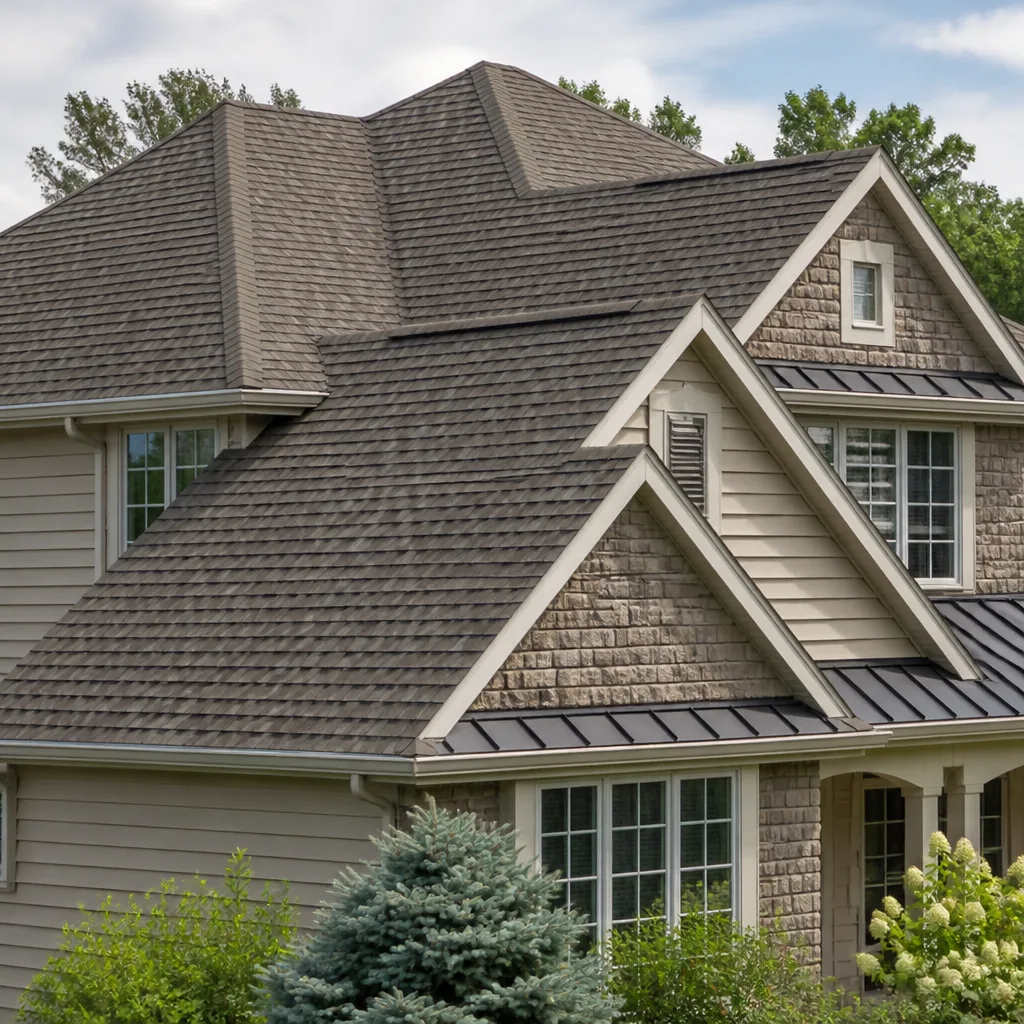 Owens Corning
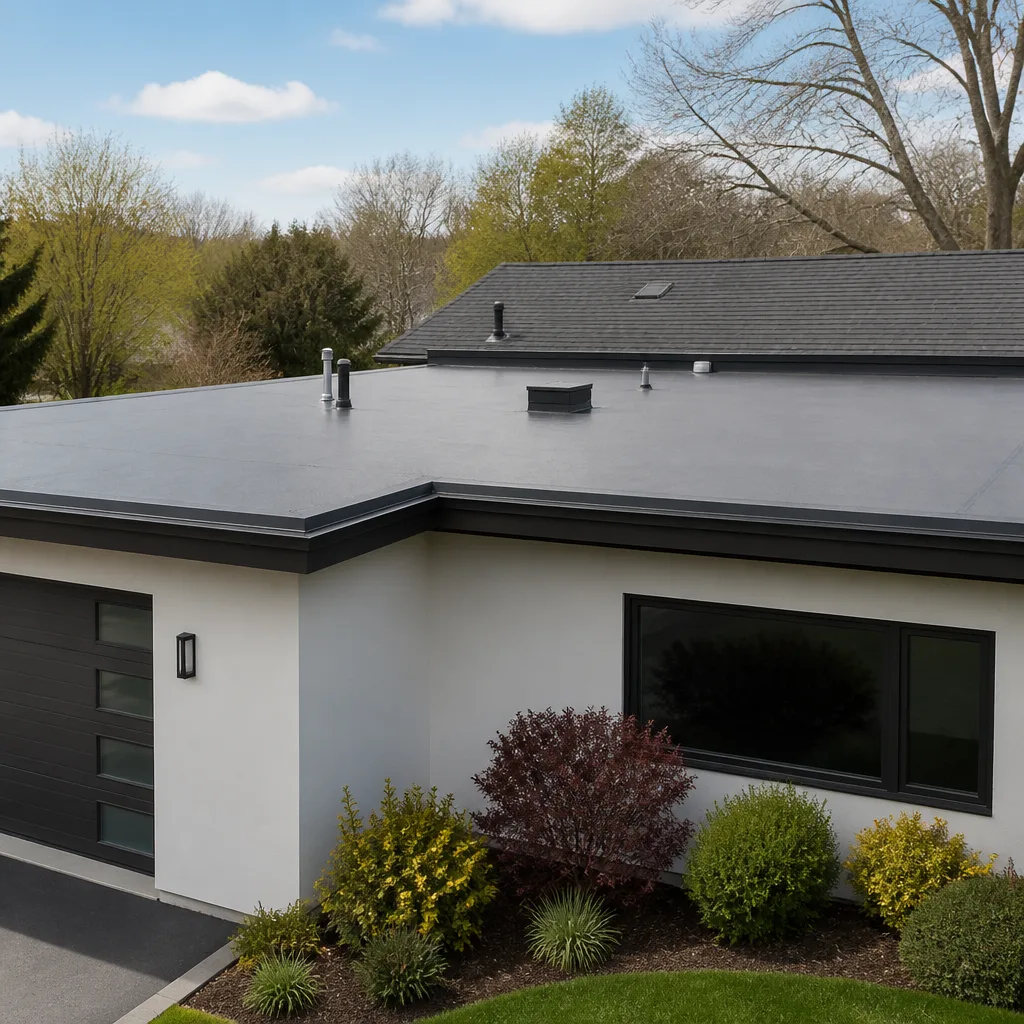 Flat & low-slope
Free roof inspection with deck photos before we talk money - GAF and Owens Corning certified installation
Choosing the Right Roofing Brand: A Buyer’s Guide for El Monte
Here’s a number most roofing brochures won’t show you: a 50-year architectural shingle warranty typically pays out about $200 toward a $12,000 replacement if the roof fails in year 25. The prorated schedule shrinks to nearly nothing long before the warranty expires. That’s not a defect in one brand. That’s how almost every major manufacturer structures their coverage. So if warranty length is the main reason you’re leaning toward one shingle over another, you’re shopping on the wrong metric. This guide will show you what actually matters when choosing a roofing brand in El Monte: UV stability, algae resistance, wind thresholds, fire ratings, local availability, and the difference between a manufacturer’s promise and a contractor’s workmanship. By the end, you’ll know which brands earn their price tags and which ones coast on advertising.
Styles & brands we work with
Quick Answer
The best roofing brand for your El Monte home depends on three things: your roof’s sun exposure, your wildfire-adjacent location, and your budget. For most homes in the San Gabriel Valley, GAF, CertainTeed, and Owens Corning offer the strongest combination of UV stability, algae protection, and wind ratings for the price. IKO, Atlas, Tamko, and Boral serve specific niches worth considering, especially if you want a value-tier architectural shingle or a fire-rated tile alternative. We’ll break down the differences below.
Table of Contents
- Why El Monte’s Climate Changes the Brand Conversation
- The Five Brands We Compare Side by Side
- How to Read a Manufacturer Warranty Without Getting Fooled
- Why Class A Fire Ratings Matter in El Monte
- Cool Roof Ratings and What They Do to Your Attic
- Which Brands Are Actually Stocked in the San Gabriel Valley
- Common Mistakes to Avoid
- When to Call a Professional
- Frequently Asked Questions
- The Bottom Line
Why El Monte’s Climate Changes the Brand Conversation
El Monte sits in a specific thermal pocket of the San Gabriel Valley. Summer highs routinely cross 95 degrees. The sun hits your roof at a nearly perpendicular angle from June through September. And unlike coastal cities, El Monte doesn’t get the marine layer that keeps Torrance or Long Beach shingles from cooking all afternoon. What this means for your roof: the asphalt in your shingles oxidizes faster. The granules loosen sooner. The sealant strips that glue shingles together dry out and fail earlier than they would in, say, Pasadena or Monterey Park, where there’s more tree cover and slightly lower peak temperatures.
Most roofing brands formulate their shingles for a national market, which means they’re built to survive Minnesota winters and Florida humidity at the same time. That’s the problem. A shingle engineered for freeze-thaw cycles isn’t necessarily optimized for sustained 100-degree surface temperatures. In our experience across El Monte, Arcadia, Temple City, and Rosemead, we see two failure patterns more than anything else: granule loss on south-facing slopes and sealant failure on west-facing slopes that catch the late afternoon sun. The brands that hold up best here are the ones with higher asphalt saturation and better UV stabilizers in their granule coating. That’s the real comparison, not the warranty number on the wrapper.
This is why a roof inspection in El Monte should include an assessment of which slopes are taking the most sun damage. A roof isn’t one surface. It’s four or five surfaces, and they age at different rates depending on orientation.
The Five Brands We Compare Side by Side
We install and work with seven major roofing material brands: GAF, CertainTeed, Owens Corning, IKO, Atlas, Tamko, and Boral. Here’s how the five most commonly selected compare on the metrics that matter in El Monte. These are our honest observations from working with every one of these manufacturers, not a rep’s talking points.
GAF Timberline HDZ and UHDZ
GAF’s Timberline line is the most recognized shingle in the country, and for El Monte specifically, the HDZ performs respectably on UV stability. The key GAF advantage is the LayerLock sealant, which bonds shingles mechanically rather than relying only on heat-activated asphalt. That matters here because a roof that reaches 160 degrees on an August afternoon activates sealant quickly, but a roof that stays cool through a November morning needs a bond that doesn’t depend on heat alone. GAF’s wind warranty on the HDZ covers up to 130 mph when installed with their full system, which exceeds anything El Monte’s climate produces. The weakness: GAF’s algae protection is a copper-infused granule that performs about equal to competitors, not better. In our experience, GAF is a solid middle-of-the-road choice with the strongest installer network, which means if you ever need a warranty claim, you won’t struggle to find a certified contractor.
CertainTeed Landmark and Landmark Pro
CertainTeed is the brand we recommend most often for El Monte homes with heavy sun exposure. The Landmark Pro uses a heavier mat than standard architectural shingles and the granule adhesion is noticeably better. After a decade on a south-facing El Monte slope, a Landmark Pro typically shows less granule loss than a value-tier shingle from any other brand. CertainTeed’s StreakFighter algae protection is also the most aggressive copper-based system we’ve tested, which matters in El Monte’s winter morning fog, a condition that encourages algae growth even in a dry climate. The downside: CertainTeed runs 10 to 15 percent more than comparable GAF or Owens Corning lines. Whether that’s worth it depends on how long you plan to stay in the home.
Owens Corning Duration and Duration Flex
Owens Corning’s Duration shingle uses a patented SureNail fabric strip that gives installers a larger nailing zone. This is a contractor-facing feature that benefits you indirectly: fewer misplaced nails means fewer blow-offs and fewer warranty disputes over workmanship. The Duration Flex line is a genuinely interesting product for El Monte because it can be installed over existing shingles, which cuts tear-off costs significantly. The trade-off: Owens Corning’s algae protection uses copper granules similar to GAF, and in the heavy morning fog pockets of El Monte, near the Rio Hondo, we see algae on Owens Corning slightly earlier than CertainTeed. Not a deal-breaker, but it’s a real difference. The Duration line also carries a 130 mph wind warranty, which is more than enough for any San Gabriel Valley microburst.
Atlas Pinnacle and StormMaster
Atlas is a value-tier brand that outperforms its price point in specific ways. The Pinnacle line uses a Scotchgard protector from 3M, and it’s the only asphalt shingle line we install that includes built-in scotchgard protection against algae rather than relying only on copper granules. In a climate like El Monte’s, where winter fog and summer UV both stress algae resistance, that 3M layer does real work. Atlas also runs 15 to 20 percent less than CertainTeed’s premium lines. The trade-off: Atlas’s distribution in Southern California is thinner. Not every distributor in the San Gabriel Valley stocks the full Atlas catalog, which can add lead time on certain colorways. If you want a specific Atlas color and it’s not in stock, you’re waiting two to three weeks. Some homeowners are fine with that. Others aren’t.
Tamko Heritage and Titan
Tamko is the brand we use least often in El Monte, but it has a place. The Titan XT line is a heavier shingle at a mid-range price, and its granule adhesion is adequate for our climate. Tamko’s manufacturing is centralized in Missouri and Texas, which means product shippped to California spends more time in transit. In the summer, that’s fine. In the winter, shingles can sit in a cold warehouse environment before installation, which affects sealant activation. We’ve had to use hand-sealing on a few Tamko installs during cooler El Monte winters. That’s not a product defect. It’s a logistics reality. If you want Tamko, we’ll install it, but we’ll be upfront about the lead times and the brand’s thinner presence in Southern California.
We also work with IKO and Boral. Boral makes concrete and clay tile, which is a completely different material category and worth considering if you’re in a fire-prone zone and want a Class A assembly with a non-combustible roof covering. IKO’s Cambridge line is a budget architectural shingle that works for homeowners who want a name-brand product at a lower price point. We stock several of these brands and can order any of them. Our roof replacement service in El Monte gives you the full material choice, not a single-vendor pitch.
How to Read a Manufacturer Warranty Without Getting Fooled
Here’s the sentence that matters: a shingle manufacturer’s warranty covers the material, not the installation. And the material warranty is almost always prorated. That means a 50-year warranty doesn’t pay 100 percent of replacement cost for 50 years. It pays a declining percentage based on how many years you’ve owned the roof.
This is the part most homeowners never read. Let’s walk through it step by step.
- Find the prorated schedule. Every warranty document has one. A typical 50-year shingle pays 100 percent of material cost in years 1 through 10, then drops by 2 to 3 percent every year after. By year 20, you’re getting 40 percent of material cost. By year 30, it’s around 15 percent. That payment covers materials only, not labor, not tear-off, not disposal. On a $12,000 replacement, the material portion is roughly $4,000 to $5,000, and 15 percent of that is $600 to $750. And that’s if the manufacturer approves the claim at all.
- Check the wind warranty separately. The basic material warranty never covers wind. You need the manufacturer’s wind-specific coverage, and it’s only active if the shingles were installed by a certified contractor and activated within the required window. Miss that registration deadline and the wind coverage is void.
- Look for the transferability clause. If you sell your El Monte home, does the warranty transfer to the buyer? Most brands allow one transfer within the first few years. After that, it ends with you. This matters because a 50-year warranty on a home you sell in year 12 isn’t a selling point unless the transfer is active.
- Read the exclusions list. Every manufacturer excludes damage from natural events they call “acts of God,” which includes earthquakes, hail over a certain size, and debris impact. In El Monte, earthquake damage is the big one. A manufacturer warranty won’t cover a shingle failure caused by seismic movement.
- Never confuse the manufacturer warranty with a workmanship warranty. The manufacturer covers defects in the shingle itself. The contractor covers mistakes in installation. If a shingle fails because it was nailed wrong, GAF won’t pay. If a shingle fails because the asphalt was defective, your contractor won’t pay. You need both, and you need to know which one applies when something goes wrong.
The workmanship warranty is where the contractor matters more than the brand. A cheap shingle installed well outperforms a premium shingle installed badly. We’ve seen both sides of that in El Monte, and the install quality is almost always the difference between a roof that lasts 30 years and one that needs replacement in 12.
Why Class A Fire Ratings Matter in El Monte
El Monte is not in a high-severity wildfire zone the way Monrovia or Glendora are, but it’s close enough that the San Gabriel Valley’s wind patterns can carry embers from the Angeles National Forest during Santa Ana events. More importantly, California building codes have tightened fire-resistance requirements for roof coverings across Los Angeles County, and many El Monte HOAs now mandate Class A fire-rated roof assemblies regardless of the home’s distance from wildland areas.
Here’s what that means when you’re choosing a brand.
Almost every asphalt shingle line on the market carries a Class A fire rating when installed as part of a full Class A assembly. That assembly includes the shingles, the underlayment, and the decking as a system. A shingle alone doesn’t earn Class A. The whole roof does. This matters in El Monte because the home’s original roof may have been installed before the current fire codes went into effect. If you’re replacing a roof on a home built in the 1980s or 1990s, the decking underneath may not meet current requirements. A proper roof replacement in El Monte should include a decking assessment as part of the estimate, because retrofitting to meet fire code is not optional. It’s the law.
If you want a roof covering that’s non-combustible on its own, Boral’s concrete and clay tile lines are worth a serious look. Unlike asphalt, which is a petroleum product, Boral tiles don’t burn. They carry a Class A rating inherently, not just as part of an assembly. The trade-off is weight. Concrete tile requires structural verification before installation, and not every El Monte home built in the 1960s or 1970s is framed for the load. GAF, CertainTeed, and Owens Corning all make Class A assembly-rated asphalt shingles, and in most cases those are the more practical choice for a standard El Monte ranch or two-story.
When you’re comparing brands, verify that the specific product line, not just the manufacturer, carries the Class A rating. Some value-tier lines from all manufacturers carry lower ratings. Don’t assume the brand name guarantees the rating. Check the product’s technical data sheet.
Cool Roof Ratings and What They Do to Your Attic
The Cool Roof Rating Council maintains a database of measured solar reflectance and thermal emittance values for roofing products. A “cool” roof reflects more sunlight and emits absorbed heat faster than a standard roof. In El Monte, where attic temperatures can reach 140 degrees on a summer afternoon, a cool roof product can lower attic temperature by 15 to 25 degrees. That translates to lower air conditioning load and a measurable difference in summer energy costs.
Not all brands compete equally here. CertainTeed’s Landmark Solaris and GAF’s Timberline Cool Series are the two asphalt shingle lines we recommend most often for homeowners who want a cool roof without switching to tile. Both use granule coatings with higher solar reflectance than standard architectural shingles. Owens Corning’s Duration Cool line is also available and performs well, though distribution in the San Gabriel Valley has historically been thinner for the Cool series than for the standard Duration.
Here’s a quick comparison of how cool roofing products affect a typical El Monte attic:
- Standard architectural shingle: solar reflectance of 0.20 to 0.25, attic temp of 135-145 degrees on a 100-degree day.
- Cool-rated asphalt shingle: solar reflectance of 0.30 to 0.40, attic temp of 120-130 degrees.
- Boral concrete tile in a light color: solar reflectance of 0.35 to 0.50, attic temp of 110-125 degrees.
- Estimated AC savings on a 1,500-square-foot El Monte ranch: 5 to 10 percent on summer cooling costs, depending on insulation levels.
Those numbers are estimates, not guarantees. But the direction of the difference is consistent, and it’s measurable year after year. If your El Monte home has attic ducts, that’s another factor: cooler attic air means cooler air moving through the ducts, which compounds the savings.
Which Brands Are Actually Stocked in the San Gabriel Valley
Here’s the part no shingle brochure tells you: your brand choice affects your install timeline, and in El Monte, that timeline depends on what’s sitting in the local distribution yards.
The San Gabriel Valley is well-served by roofing distributors in El Monte, Baldwin Park, City of Industry, and South El Monte. In our experience, GAF and Owens Corning have the deepest local inventory across the most colorways. If you choose a Timberline HDZ or a Duration in a standard color, it’s likely in stock within a day or two. CertainTeed’s Landmark line is also well-stocked, but the Landmark Pro and Solaris colors have fewer local SKUs, which can add a few days on less common shades.
IKO and Atlas are the two brands where local supply can be hit or miss. IKO’s Cambridge is often stocked in a handful of colors, but the full palette is not. Atlas Pinnacle is similar. If you choose a standard color, you’re fine. If you choose a specialty blend, expect a special order with a lead time of one to three weeks. Tamko is the most likely to require a full special order in this area, which is one reason we install fewer Tamko roofs in El Monte.
Boral tile is a different category entirely. Almost all Boral tile is made to order, and lead times can run four to eight weeks. That’s not a defect. It’s a production reality for concrete and clay tile. If you want a Boral tile roof, plan for it months in advance, not weeks.
Local availability affects more than timing. It affects how familiar the install crew is with the product. A crew that installs GAF Timberline every week knows exactly how that shingle behaves. A crew that installs a Tamko Titan once every six months is more likely to make a handling mistake. That’s not a knock on Tamko. It’s a recognition that installer familiarity is a real variable in roof quality. When you call us for a free estimate, we’ll walk through which brands are in stock, which are special order, and what that means for your timeline and price. The material choice is yours. The information is ours to share.
Common Mistakes to Avoid
- Choosing a brand based on warranty length alone. The prorated schedule makes a 50-year warranty nearly worthless after year 20. Compare the non-prorated period, which is usually years 1 through 10, not the headline number.
- Ignoring the installer’s workmanship warranty. The manufacturer won’t cover a bad install. The contractor’s labor warranty matters just as much as the shingle’s material warranty, and in many cases more.
- Assuming all products from a brand are equal. GAF makes both premium and budget lines. CertainTeed does too. The brand name doesn’t guarantee the performance tier. Check the specific product line.
- Skipping the fire rating verification. In El Monte’s HOA environment, a non-Class-A roof can get flagged during an escrow inspection and delay a home sale by weeks. Verify the rating before you buy.
- Choosing the cheapest shingle to save money upfront. In El Monte’s sun, a value-tier shingle loses granules faster and fails sooner. The savings on installation get eaten by a shorter lifespan.
- Not asking about local stock. A special order can add weeks to your timeline. If you’re replacing a roof before a rainy season, that delay matters.
- Replacing a roof without getting an independent inspection first. Some El Monte roofs only need repairs. A roof repair in El Monte can buy you years before a full replacement. Don’t replace first and inspect later.
When to Call a Professional
A roof inspection is the right first move when you see granule buildup in your gutters, a water stain on the ceiling, shingles curling at the edges, or any sign that your roof is nearing the end of its useful life. It’s also the right move if you’re buying or selling an El Monte home and need an honest condition report. And it’s the only sensible move after a windstorm sends debris across the roof, because impact damage isn’t always visible from the ground.
A standalone roof inspection tells you what your roof actually needs. Maybe it’s a repair. Maybe it’s a replacement. Maybe it’s nothing yet, and you’ve got five more years. You won’t know until someone looks at the decking, the underlayment, the flashing, and the shingle conditions on each slope. Vista Roof Repair offers free estimates in El Monte. Call (866) 253-8145 to schedule your inspection.
Frequently Asked Questions
The best brands for El Monte’s heat and UV exposure are CertainTeed, GAF, and Owens Corning. CertainTeed’s Landmark Pro shows the best granule retention on south-facing slopes, GAF’s Timberline HDZ has the strongest sealant system, and Owens Corning’s Duration is the easiest to install correctly. For value-tier options, Atlas Pinnacle holds up surprisingly well for the price. Call (866) 253-8145 and we’ll help you compare specific lines for your home’s orientation and budget.
A typical asphalt shingle roof replacement in El Monte runs between $9,000 and $18,000 for a standard ranch or two-story home, depending on size, pitch, tear-off requirements, and brand choice. Premium brands like CertainTeed Landmark Pro run 10 to 15 percent more than value-tier alternatives. The only way to get an accurate number is a roof inspection with measurements. Vista Roof Repair provides free, written line-item estimates. Call (866) 253-8145 to schedule yours.
The 50-year warranty on most shingles only pays full replacement cost during the first 10 years, then prorates down to near zero by year 30. The non-prorated period is the real coverage. After that, the payout is small relative to the replacement cost. What matters more is the installer’s workmanship warranty, which covers installation errors for the life of the roof. Ask your contractor about both warranties separately.
GAF and Owens Corning have the deepest local inventory in the San Gabriel Valley, with most standard colors available within a day or two. CertainTeed is well-stocked, with some specialty colors requiring a few extra days. IKO and Atlas have thinner local presence. Boral tile is made to order and can take four to eight weeks. We stock multiple brands and can order any of them.
California building code requires Class A roof assemblies in most of El Monte, and many HOAs enforce this at point of sale. Almost all asphalt shingles earn Class A as part of a full assembly, but the underlayment and decking must also meet the standard. If you’re replacing an older roof, the decking may need to be brought up to current code, which adds cost to the project. A proper inspection will tell you what’s required.
A quality architectural shingle roof in El Monte, installed correctly, should last 20 to 30 years. The limiting factor is UV degradation on sun-exposed slopes, not basic wear. Value-tier shingles lean toward the 15 to 20 year range. Premium brands with better granule adhesion push toward 25 to 30. A roof inspection every three to five years catches failing sealant strips early and extends the life of any shingle.
The Bottom Line
The right roofing brand for your El Monte home isn’t the one with the biggest ad budget or the longest warranty number. It’s the one that handles sun, heat, fog, and fire code requirements at a price you’re comfortable paying. GAF, CertainTeed, and Owens Corning are the three brands we recommend most often for this climate, with Atlas as a solid value alternative and Boral for homeowners who want a non-combustible tile roof. Before you choose any brand, get an inspection that tells you what your roof actually needs. Vista Roof Repair offers free estimates across El Monte. Call (866) 253-8145 to start the conversation.
Written by the team at Vista Roof Repair, serving El Monte since 2017.
See the difference
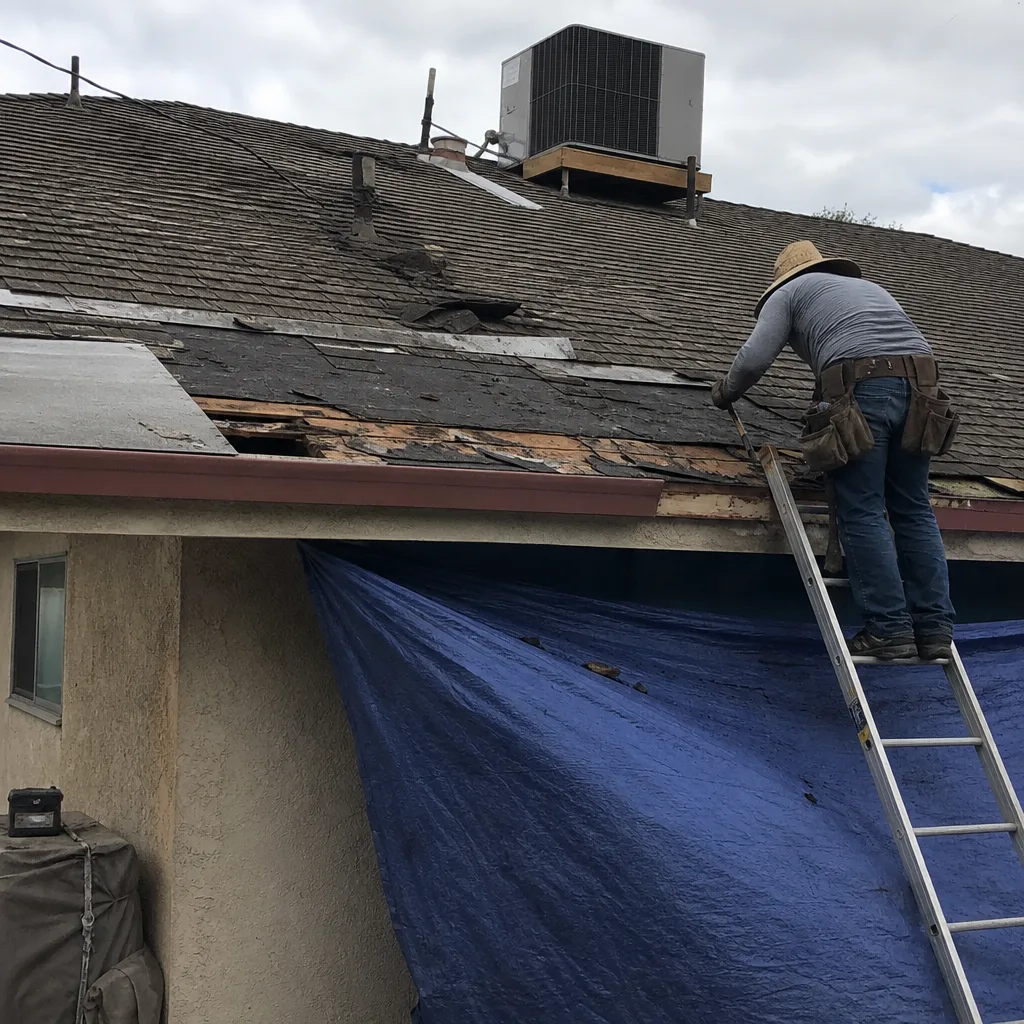 Before
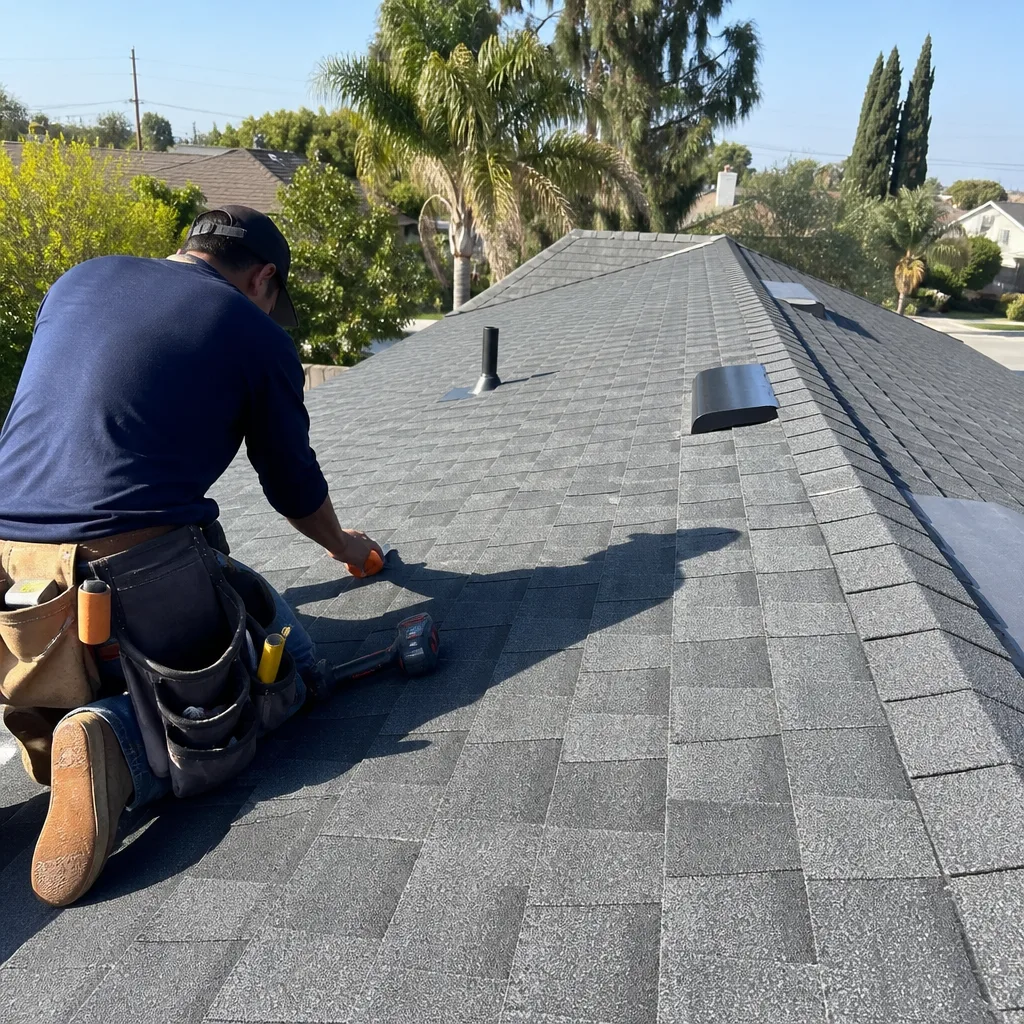 After
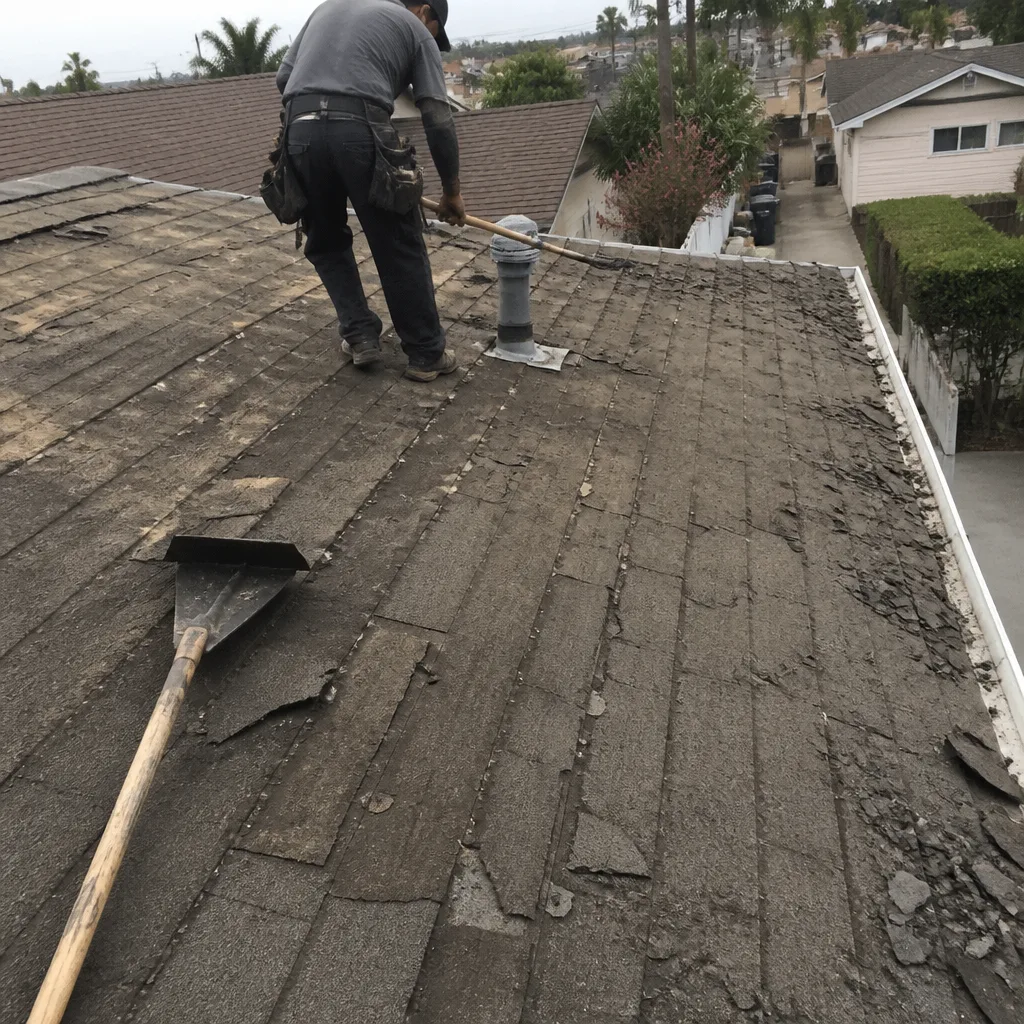 Before
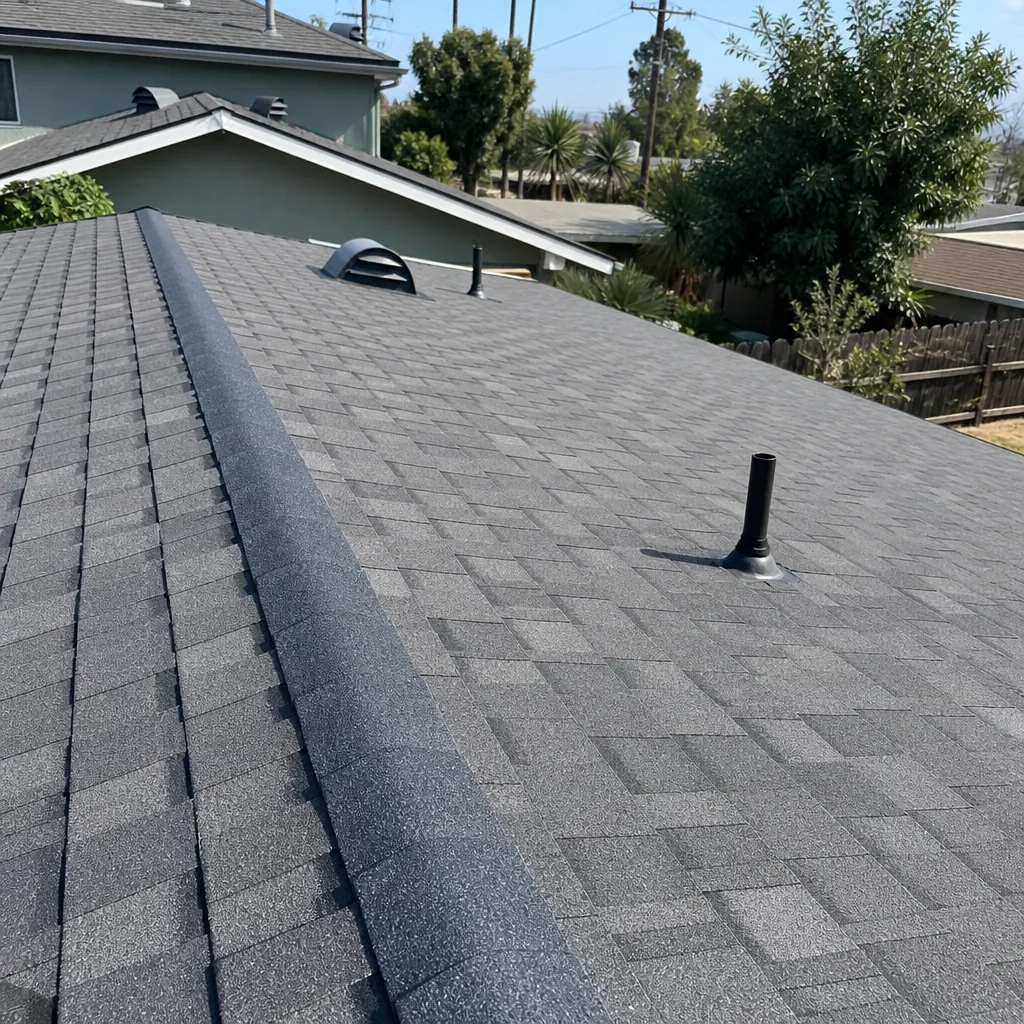 After
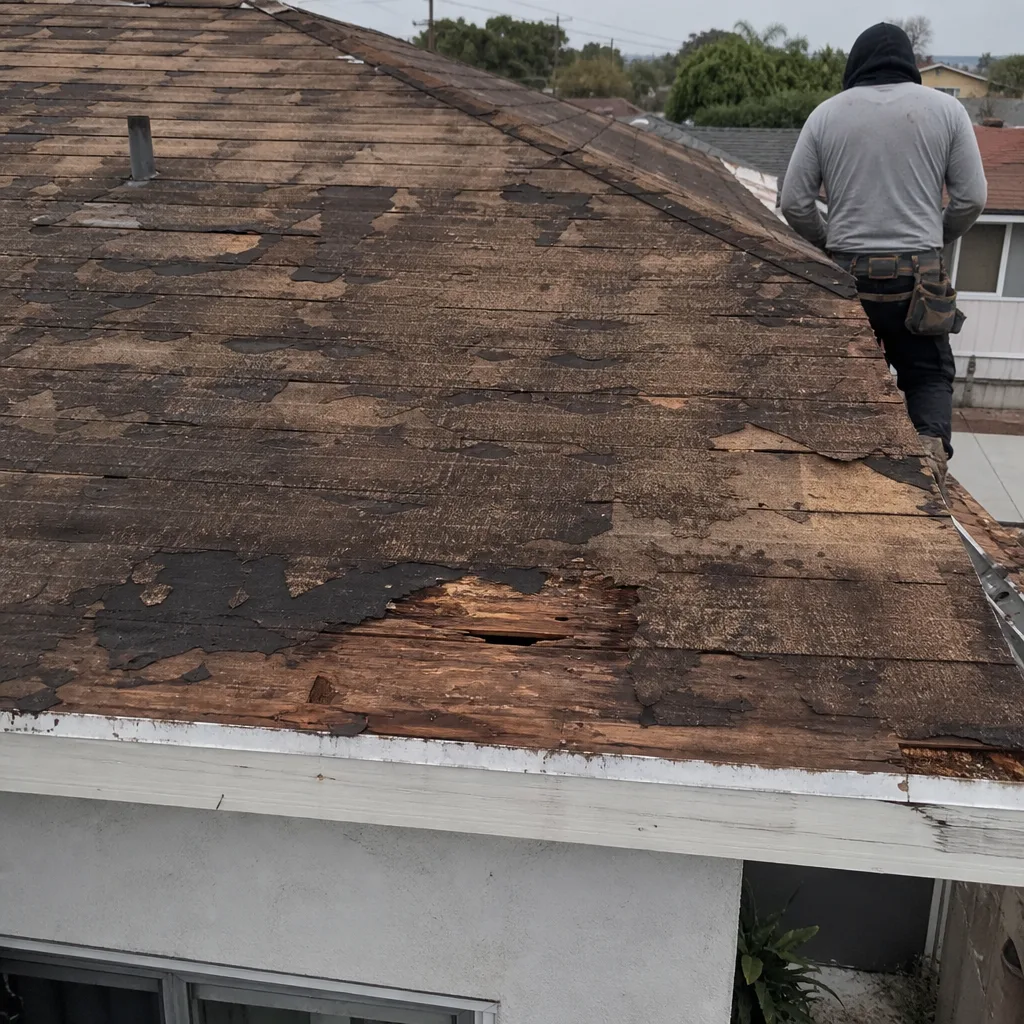 Before
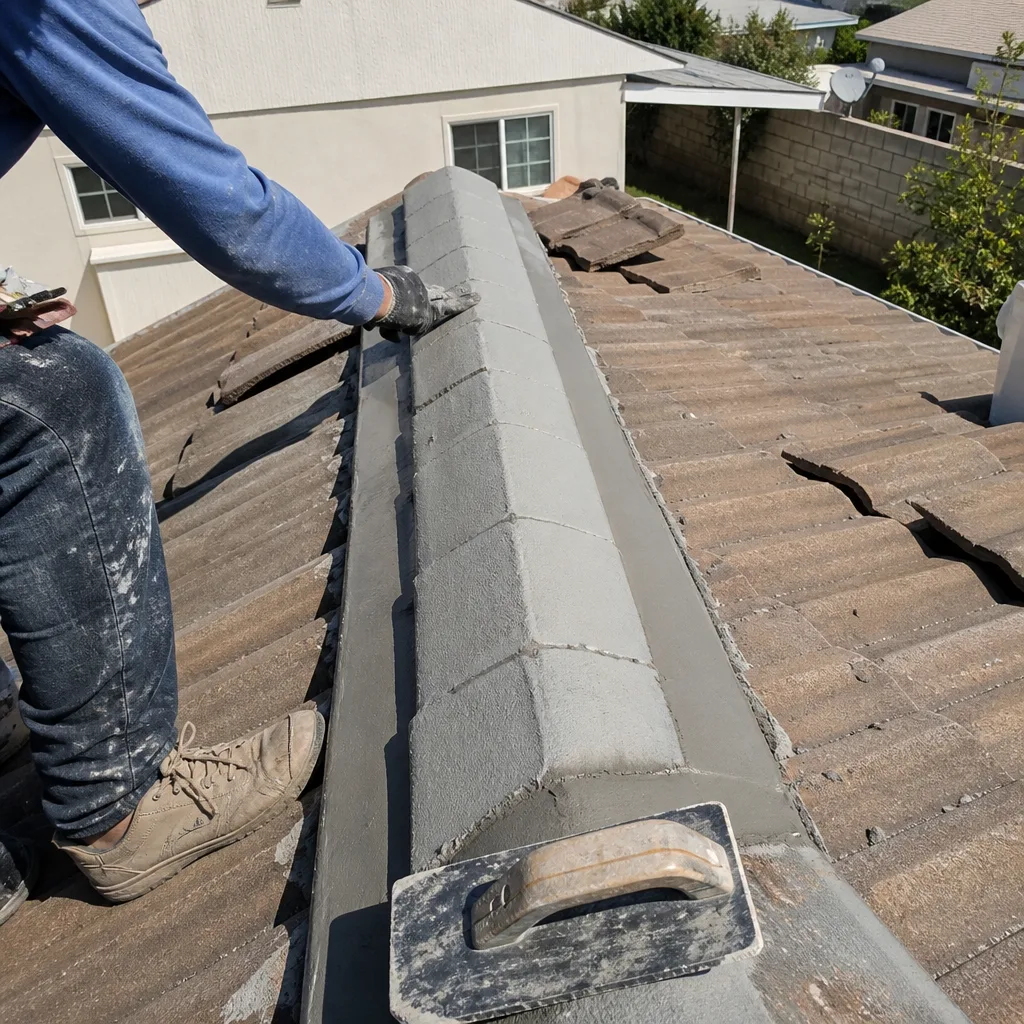 After