
Last updated October 30, 2026
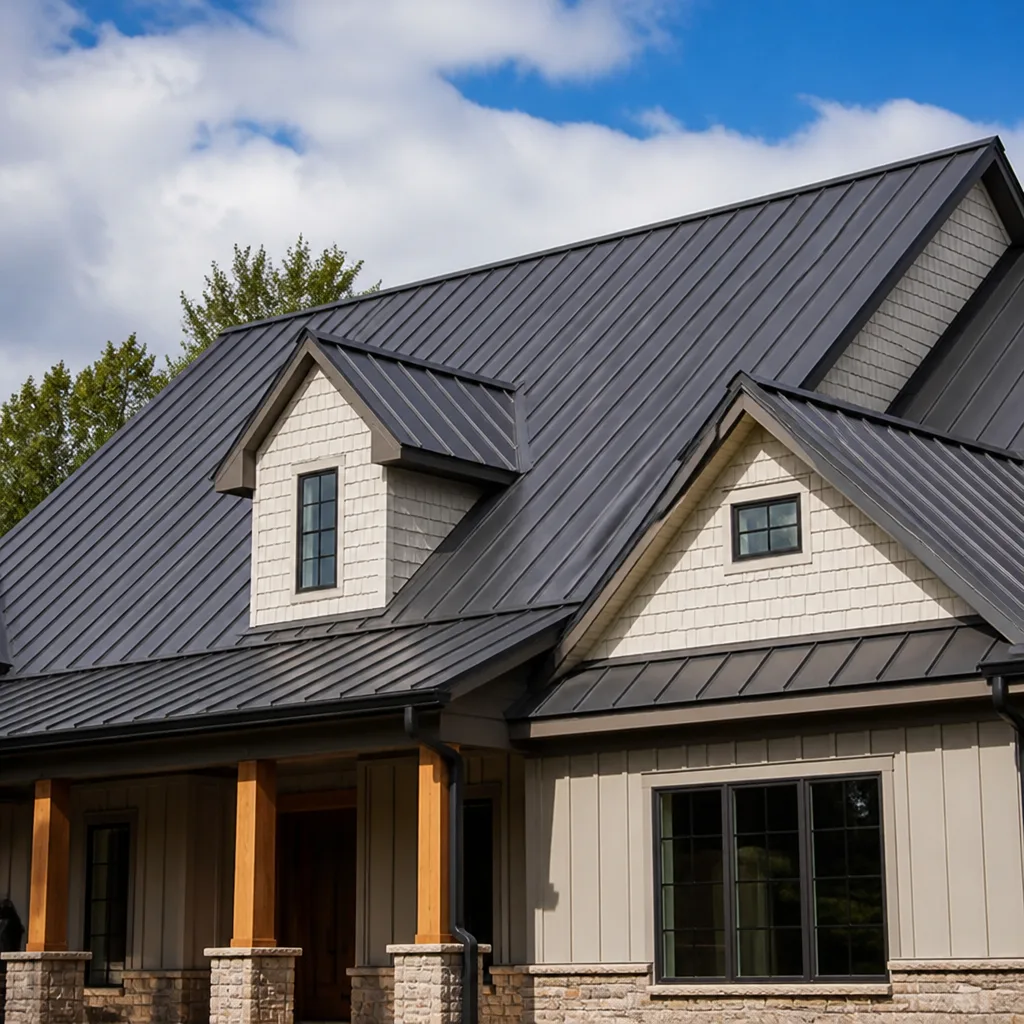 Metal roofing
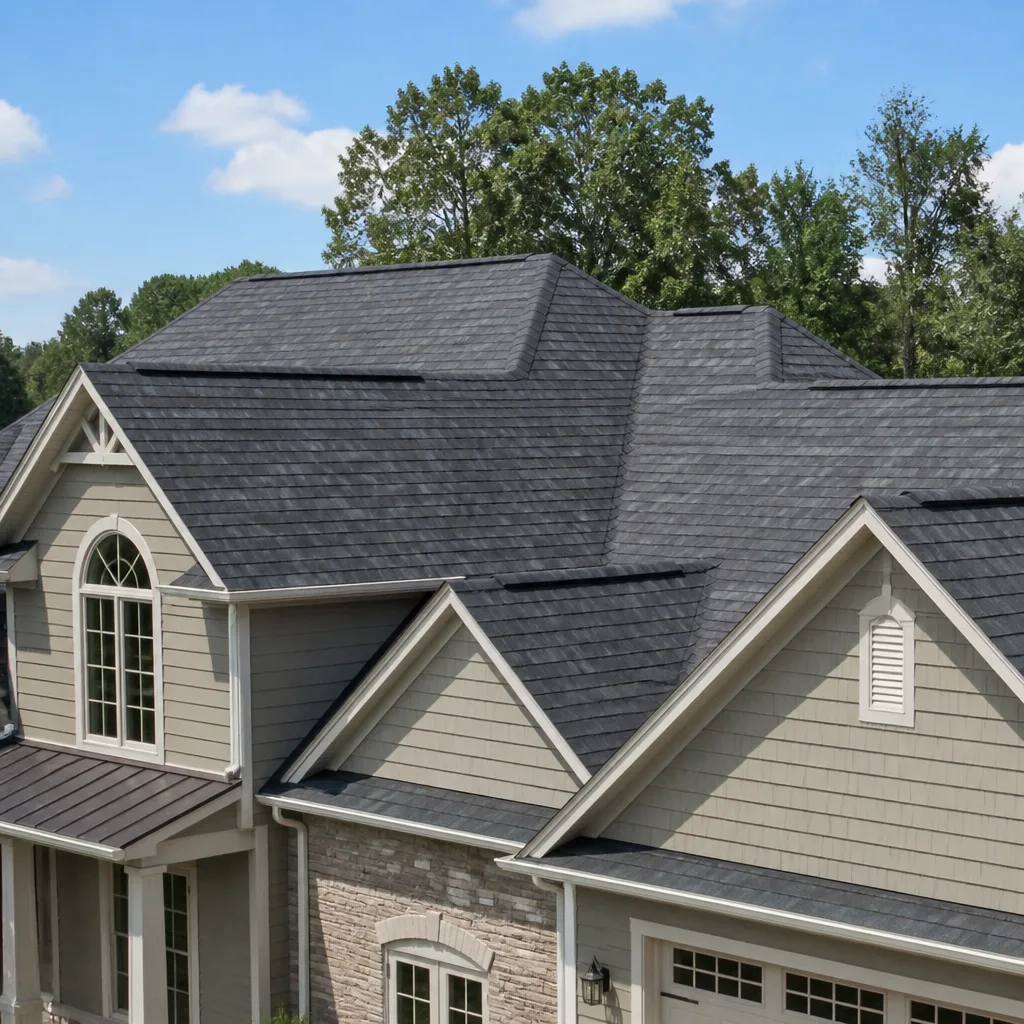
 Architectural shingles
 Tile roofing
 GAF
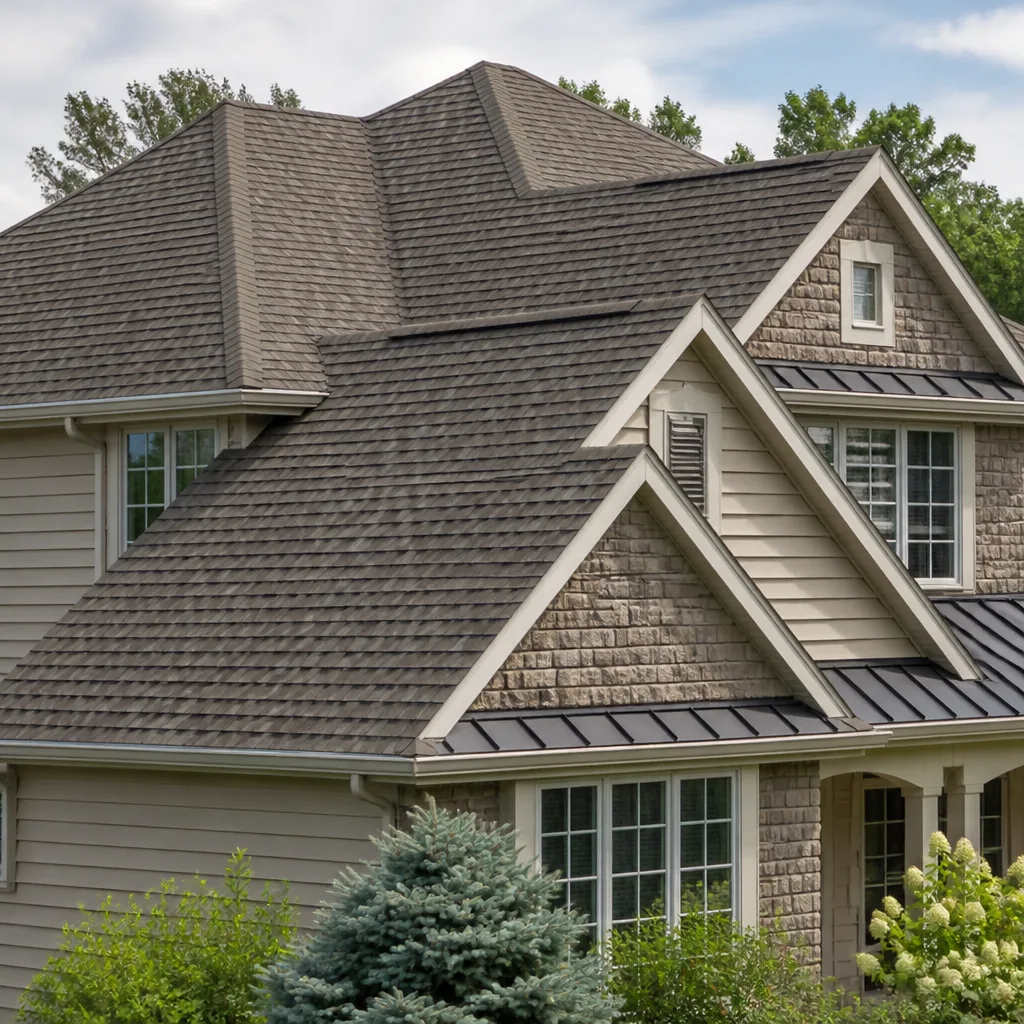 Owens Corning
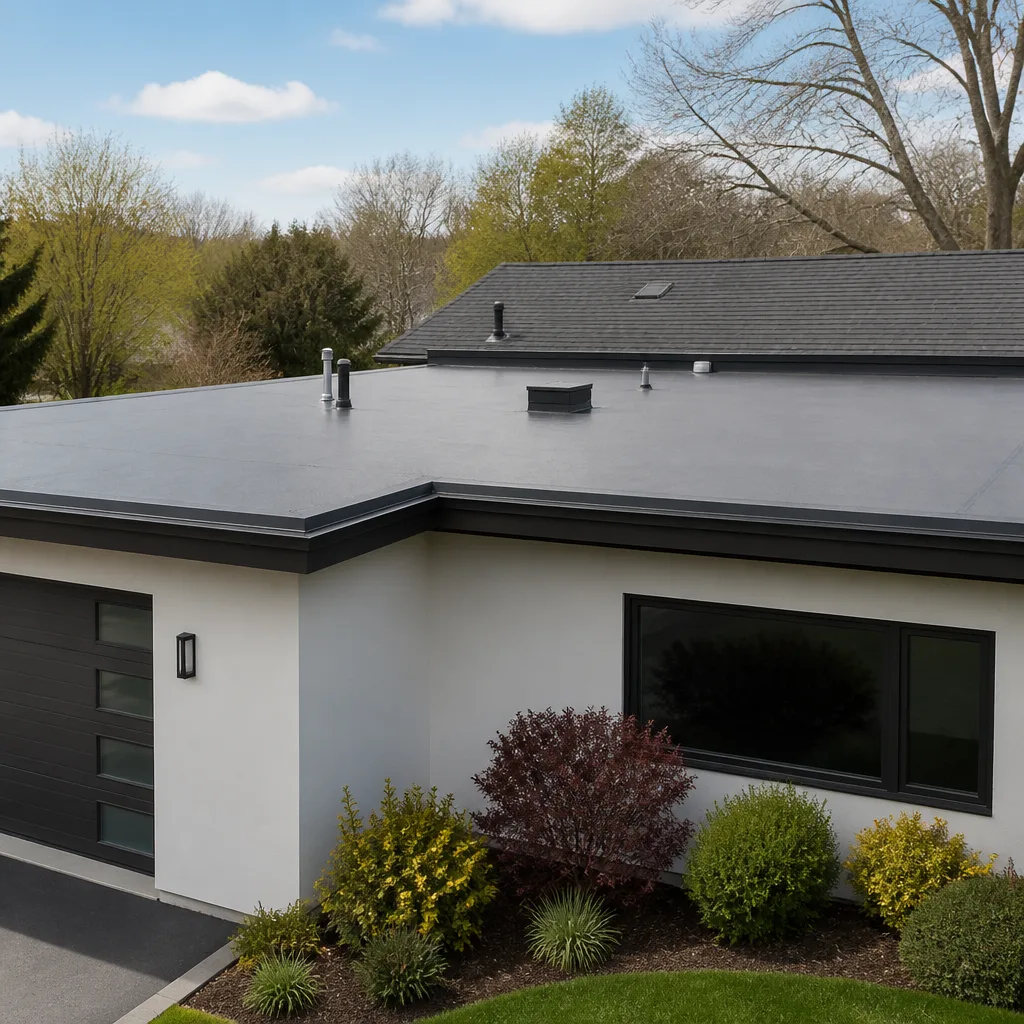 Flat & low-slope
Free roof inspection with deck photos before we talk money - GAF and Owens Corning certified installation
Seasonal Roofing Care for El Monte: Year-Round Homeowner’s Guide
Most El Monte homeowners think about their roofs exactly twice: when it rains, and when the Santa Anas kick up enough dust to remind them the roof exists. That reactive rhythm is costly. El Monte doesn’t have four roofing seasons. It has two threat windows and two preparation windows. Summer heat doesn’t damage your roof in July. It damages your roof in July and you notice it in November, when the first rain finds every crack the heat spent five months widening. This guide maps the actual roofing year in El Monte: when to inspect, what to look for, and why timing matters more than effort. For a deeper dive, see our The Complete Guide to Roofing in El Monte.
Styles & brands we work with
Quick Answer
Seasonal roof care in El Monte comes down to two non-negotiable maintenance windows: September through October, before Santa Ana winds arrive, and March through April, after winter rain has stopped but before summer heat sets in. A roof inspection in October catches heat damage and wind-loosened fasteners before winter. A March inspection catches storm damage while repair weather is still mild. Skip either and you’re paying for damage twice: once when it happens, again when it compounds.
Table of Contents
- El Monte’s Actual Roofing Calendar: Two Threats, Two Prep Windows
- The Pre-Santa Ana Window (September – October): Your Most Important Maintenance Period
- El Monte’s Winter Rain Season: Brief, Intense, and Hard on Roofs
- The Spring Repair Window (March – April): Fixing What Winter Left Behind
- Dry-Heat Recovery: What Five Months of El Monte Sun Does to a Roof
- Your Seasonal Maintenance Checklist for El Monte
- Material Considerations: Which Roofing Products Handle El Monte’s Climate Well
- Common Mistakes to Avoid
- When to Call a Professional
- Frequently Asked Questions
- The Bottom Line
El Monte’s Actual Roofing Calendar: Two Threats, Two Prep Windows
El Monte sits in the San Gabriel Valley, where the climate does something specific and predictable. The wet season is short, usually December through March, but the rain that falls comes hard and fast. Meanwhile, late summer and fall bring Santa Ana winds, sometimes gusting 40 to 60 miles per hour through the valley. Those winds don’t just blow leaves around. They lift shingle edges, loosen fasteners, and turn minor existing damage into structural openings.
Then there’s the heat. El Monte routinely sees summer temperatures in the 90s and low 100s. Roof surface temperatures run 50 to 70 degrees hotter than the air. An asphalt shingle roof on a 95-degree day is sitting at 150 degrees or more, day after day, for months. That’s the hidden season. It doesn’t announce itself with noise or leaks. It works slowly: drying out adhesives, accelerating granule loss, creating the hairline cracks that October winds exploit and December rain turns into leaks.
So the roofing year in El Monte looks like this:
- September – October: Pre-Santa Ana preparation window. Inspect, repair wind vulnerabilities, clear debris, check flashings. This is the most important maintenance period.
- November – December: Santa Ana threat window. High winds test every weak point. Loose flashing gets worse. Debris becomes projectiles.
- December – March: Winter rain threat window. Short but intense storms find the openings wind created. Leaks appear.
- March – April: Spring repair window. Mild weather, dry conditions. Best time to fix storm damage thoroughly.
- May – September: Dry-heat accumulation. Sun damage compounds quietly. Roofs deteriorate with no visible warning signs.
Most El Monte homeowners do maintenance in the wrong order. They call a roofer in November because rain is coming, or in December because water is already inside. That’s response, not preparation. A roof inspection in September gives you six to eight weeks to fix problems before the Santa Anas arrive. That window is everything.
The Pre-Santa Ana Window (September – October): Your Most Important Maintenance Period
In El Monte, the single most valuable roofing decision you can make is to schedule your Roof Inspection in El Monte between September 1 and October 15. This window matters more than any other maintenance period because it’s the last opportunity to address vulnerabilities before the two most damaging forces of the year: Santa Ana winds and winter rain. Once those hit, small problems become large ones. And large ones become emergency calls at the worst possible time.
Here’s what the average El Monte roof has accumulated by September:
- Five months of thermal cycling: Daily expansion and contraction from May through September has loosened nails, cracked sealant at flashing points, and dried out pipe boot gaskets.
- Granule loss on south-facing slopes: The southern exposure takes the worst UV. Asphalt shingles lose granules faster on the south side of every El Monte home we’ve inspected. That granule loss translates directly to reduced shingle lifespan.
- Debris from summer landscaping: Leaves, palm fronds, eucalyptus bark. El Monte’s mature trees drop material all summer, and that material traps moisture against shingles, accelerates rot, and clogs drainage points.
- Loose flashing at chimneys, vents, and skylights: Original flashing from decades-old installations has been worked loose by heat cycles. Santa Ana winds will finish the job.
A thorough October inspection covers four areas. First, fastener integrity: every exposed nail head, every shingle that’s lifted more than a quarter inch. Second, flashing condition: chimney, skylight, plumbing vent, and valley flashings get checked for sealant cracking. Third, drainage: nothing blocking the path water will take during winter storms, including clogged scuppers on flat or low-slope sections. Fourth, debris removal: leaves and branches cleared from all roof surfaces and drainage channels.
Why This Window Matters More Than Post-Storm Repairs
A roof problem found in October costs less to fix than the same problem found in January. Here’s the math. A cracked pipe boot costs roughly $200 to $400 to replace in October, during normal demand. Once the rains start and leaks appear, the same repair becomes an emergency. You’re not just paying for the boot. You might be paying for interior water damage, mold remediation, and a roofer’s emergency schedule. That $300 October fix can become a $2,000 January problem. The pre-Santa Ana window is not about roofer convenience. It’s about preventing compounding costs.
In our experience inspecting El Monte roofs, homes that receive consistent September and October maintenance show measurably better condition across every shingle brand we work with, from CertainTeed and Owens Corning to IKO and Atlas. Material choice matters, but timing matters more.
El Monte’s Winter Rain Season: Brief, Intense, and Hard on Roofs
El Monte gets around 17 to 20 inches of rain per year, concentrated almost entirely between December and March. But the number that matters more than annual total is intensity. The San Gabriel Valley doesn’t get the gentle, all-day drizzles that characterize Pacific Northwest winters. El Monte gets atmospheric river events: storms that drop an inch or more in a few hours. Those storms expose roof problems in specific, predictable ways.
Brief, intense rain behaves differently on a roof than prolonged light rain. Light rain gives a roof’s drainage system time to shed water gradually. A hard, fast storm overwhelms any weak point. If a small gap has formed at the flashing around a sewer vent, light rain might not push water through it. A two-inch-per-hour storm will. The same goes for any low spot on a flat roof section, any missing shingle tab, any deteriorated valley flashing. Intensity is what turns minor defects into interior leaks.
What Winter Rain Does to Different Roof Areas
- Chimney and skylight flashings: Water driven by wind finds gaps that stayed dry all summer. Sealant that cracked in the heat now fails completely under hydraulic pressure.
- Roof valleys: Valleys concentrate water flow from two roof planes into one channel. In heavy El Monte rain, a valley that’s lost granule protection or has worn through the top layer becomes a fast-moving stream aimed directly at your decking.
- Flat and low-slope sections: El Monte has plenty of homes with low-slope patio covers, porch roofs, and mid-century flat sections. These rely on positive drainage. If fall debris blocked the scupper or drain, water ponds. A ponding roof on a flat section will find its way through almost any aging membrane.
- Edge drip and gutter brackets: Not technically gutters, but roof edges. Water sheets off the roof and can be pushed back up under the shingle edge by wind, especially at the eaves. Missing drip edge or incorrectly installed drip edge becomes a leaking point along the roofline.
During winter, the practical advice is simple: watch your ceilings. El Monte leak patterns show up first at ceiling corners, around ceiling light fixtures, and along exterior wall-to-ceiling joints. If you see paint bubbling, faint brown rings, or actual drips, the water has already found a path through. Don’t wait for it to get worse. Winter rain events in El Monte are brief, which gives the false impression that the problem passed. It didn’t. The water just stopped being pushed in. The opening is still there, and the next storm will use it again.
If winter exposes a leak, the right response is a targeted Roof Repair in El Monte, not a panic replacement. A proper repair addresses the water entry point, not just the visible interior stain. We’ve seen too many El Monte homeowners patch ceiling drywall and call it done, while the actual roof penetration keeps working through every subsequent storm.
The Spring Repair Window (March – April): Fixing What Winter Left Behind
By March, El Monte’s rain has mostly stopped. Daytime temperatures sit in the comfortable 65 – 75 degree range. Winds are calm. The weather is ideal for roofing work: shingles are pliable enough to work with, sealants cure properly, and crews aren’t fighting heat or rain. This is the best repair window of the year, and it’s criminally underused.
Here’s why March and April matter. Any damage accumulated through the winter is still fresh and isolated. Water intrusion hasn’t had months to rot decking or grow mold. Shingles that are cracked but not yet leaking are still repairable. Fasteners that loosened in the Santa Anas can be reset. Flashing that bent but didn’t break can be resealed. Wait until July and the heat has locked in those problems. Cracks widen, sealant turns brittle, and what was a $350 spring repair becomes a $1,800 summer replacement of a larger section.
Spring is for Preventative Repairs, Not Just Fixing Leaks
Spring isn’t only about what winter damaged. It’s about preparing the roof to survive what’s coming: five months of dry, punishing heat. Here’s what a good spring checklist accomplishes:
- Reseal flashing points before summer heat bakes fresh cracks into old sealant.
- Replace cracked or cupped shingles on the south and west exposures, the two sides that take the worst UV in El Monte.
- Re-secure loose ridge caps before September winds test them again.
- Touch up exposed fasteners with the appropriate sealant, especially on older roofs where nail heads have popped.
- Document the roof’s condition with photos, so you have a baseline for comparing against the October inspection.
Spring is also the right time to consider whether the roof is entering its final years. If your inspection consistently shows granule loss, brittle shingles, and multiple repair points, the honest assessment might be that Roof Replacement in El Monte is the smarter financial decision than repeated spring repairs. A repair that buys one year is sometimes the right call. A repair that buys one year on a roof that needed replacing five years ago is just deferred spending with interest.
Dry-Heat Recovery: What Five Months of El Monte Sun Does to a Roof
El Monte’s summer isn’t a storm. It’s a slow, silent dehumidifier running at maximum output for five straight months. Roofers call the accumulation of damage “dry-heat recovery” not because the roof recovers, but because the damage becomes visible only when conditions change. The heat doesn’t break anything dramatically. It degrades everything incrementally, and the bill comes due all at once in the fall.
Here’s the physical process. Asphalt shingles are made of a fiberglass or organic mat, saturated with asphalt, coated with ceramic granules. The asphalt is a petroleum product. It ages through oxidation, which accelerates dramatically at high temperatures. For every 18-degree Fahrenheit increase above 70 degrees, the rate of asphalt oxidation roughly doubles. At 150-degree surface temperatures, a hot El Monte summer day is oxidizing your shingles eight to sixteen times faster than a mild coastal day in Long Beach. That’s why the same shingle that lasts 30 years in a coastal climate might deliver 20 in El Monte.
What does that oxidation look like? Three things, mostly:
- Cracking: Shingles lose flexibility as the asphalt dries out. The shingle can’t flex with thermal expansion anymore, so it cracks. Cracks often start at the corners of the shingle tabs and work inward.
- Cupping: The edges of shingles curl upward as the mat shrinks faster than the surface. Cupped shingles catch wind easily, which is why they’re the first thing to fail during Santa Anas.
- Granule loss: As the asphalt surface degrades, the ceramic granules lose their bond. They wash off in the first fall rain. You’ll see them in the gutter, staining the driveway, or coating the soil under the eaves. Granule loss is not cosmetic. Those granules are the shingle’s UV shield. When they’re gone, the asphalt is exposed and the shingle deteriorates at an accelerating rate.
El Monte homeowners should watch the south-facing slope hardest. The sun’s angle means the south-facing roof plane takes significantly more direct radiation than the north. On homes with visible differences, we often see the south slope needing replacement while the north slope still has years left. This asymmetry is not a sign of a bad installation. It’s the El Monte climate doing exactly what it does. A partial replacement is sometimes the right answer, if your roofer can produce shingles that match reasonably well.
What You Can Do During the Dry Season
You can’t stop oxidation. But you can monitor it strategically. The dry season is the right time for a mid-summer visual check from the ground or from a ladder at the eaves. You’re looking for the three signs above: cracking, cupping, granule loss. You’re also looking for anything that looks different from the last time you looked. A roof that’s changing visibly in a single season is a roof that’s failing faster than average. If your shingles are CertainTeed, the brand’s warranties and material tolerances may buy you more time than a budget brand, but no shingle is immune to El Monte sun. The dry season is also a good time to keep branches trimmed back, since long summer growth becomes wind-driven projectiles starting in November.
Your Seasonal Maintenance Checklist for El Monte
Here’s a structured, season-by-season breakdown that you can copy, save, or print. It’s designed for El Monte’s specific climate rhythm. If you only complete the September and March items every year, you’re ahead of 90% of your neighbors.
September – October (Pre-Santa Ana Preparation)
- Clear all roof debris: leaves, palm fronds, branches, anything that could become a projectile in 50 mph winds.
- Inspect all exposed flashings: chimney, vents, skylights, valleys. Look for cracked sealant, lifted edges, rust.
- Check every visible fastener: lifted nail heads, missing nails, popped fasteners on ridge caps and shingle tabs.
- Look for shingle damage from summer heat: cracking, cupping, granule loss, blistered surfaces.
- Clear all drainage points: scuppers on flat sections, valley channels, anything water flows through.
- Check the south-facing slope specifically: it takes the worst UV and deteriorates fastest. Compare it to the north slope.
- Schedule a professional inspection if you see anything concerning or if it’s been more than a year since the last one.
November – December (Santa Ana Threat Window)
- After each major wind event, do a ground-level visual check: look for lifted shingles, missing ridge caps, displaced flashing.
- Check the yard and gutters for shingle granules: recent granule loss will be visible as fresh dark sand in the gutter or on the ground.
- Listen for wind-related sounds: flapping shingles, rattling flashing, anything moving that shouldn’t be.
- If you see lifted shingles after a storm, don’t wait: lifted shingles get torn off by the next wind event, exposing decking to winter rain.
January – February (Winter Rain Threat Window)
- Watch interior ceilings after every heavy rain: brown rings, bubbling paint, actual drips at corners, fixtures, and wall joints.
- Check attic spaces after storms: use a flashlight to look for water staining on decking, damp insulation, or visible daylight through the roof.
- Document any leak with photos: interior and exterior photos help a roofer diagnose the entry point faster.
- Don’t patch interior drywall until the roof is fixed: the interior stain is the symptom, not the problem.
March – April (Spring Repair Window)
- Fix every winter-damaged area: cracked shingles, loose flashing, water-damaged decking, worn valley liners.
- Reseal flashing points before summer heat bakes in new cracks.
- Re-secure anything the Santa Anas loosened: ridge caps, edge shingles, exposed fasteners.
- Assess the roof’s overall condition: if repairs are becoming frequent, compare the cost of ongoing repair against replacement.
- Trim back tree branches that grew through the winter; they’ll be wind-thrashed again by October.
May – August (Dry-Heat Monitoring)
- Do one mid-summer visual check from the ground or eaves. Compare the roof to its spring condition.
- Monitor the south slope for accelerating granule loss or visible cracking.
- Keep the roof free of summer tree debris so nothing traps moisture or blocks drainage.
- Start planning the September inspection now. If repairs are needed, you want to schedule them for early October, before the wind season starts, not during it.
Material Considerations: Which Roofing Products Handle El Monte’s Climate Well
El Monte’s climate punishes roofing materials in specific ways. Heat and UV are the primary stressors. Wind is the second. Rain is a distant third. Any material you choose needs to hold up to sustained high temperatures first, and wind resistance second. This changes how you should evaluate product options.
For asphalt shingle roofs, the most common roof type in El Monte, all major manufacturers now offer “high-wind” and “cool roof” options that address these exact conditions. Owens Corning shingles like the Duration line carry high wind ratings due to their nail strip design. CertainTeed offers specific UV-stable granule formulations across their Landmark and Presidential lines. IKO and Atlas both produce cost-effective architectural shingles that perform well in high-heat climates when properly installed. The key variable is not just the brand but the specific product line: always ask whether the shingle carries a high-wind rating and a solid algae resistance if your home has any shade coverage.
Concrete and clay tile, common on many older El Monte homes, handles heat well but responds differently to Santa Ana winds. Tile roofs fail at the attachment points more often than at the tile itself. A 60 mph gust can lift tile edges if the original fasteners have corroded or worked loose. Tile roof maintenance in El Monte is largely a fastener integrity exercise, not a tile replacement exercise.
Flat and low-slope roofing, which appears on porches, patios, carports, and some mid-century homes in south El Monte, demands the most heat-specific attention. Modified bitumen membranes and TPO both handle El Monte heat better than aged built-up roofs with exposed asphalt. The failure point on flat roofs is almost always at seams and drains, which is why seasonal drain clearing is non-negotiable.
Here’s what we tell El Monte homeowners: the right material is the one that matches your roof’s exposure, your home’s architectural needs, and your budget. We work across seven major brands because your roof’s requirements should drive the recommendation, not our inventory. An Atlas shingle might be the smart choice on a rental property. A CertainTeed line might make more sense on a forever home in the hills north of the 10 where wind exposure is higher. The inspection tells us what the roof needs; your budget and priorities tell us what to recommend. That’s the whole decision.
If you’re considering Roof Replacement in El Monte, the material conversation should happen during the inspection, not after it. An honest roofer will tell you the roof’s condition first, then discuss material options that fit the actual exposure profile of your specific roof.
Common Mistakes to Avoid
- Waiting until November to think about roof maintenance. By the time El Monte’s first Santa Ana event arrives, the preparation window is closed. October is late; September is right.
- Ignoring the south-facing slope because it’s hard to see. The south slope takes the worst UV in El Monte and often fails years before the rest of the roof. If you only look at the front of the house, you’re missing the highest-risk section.
- Assuming no leak means no problem. A roof can be thoroughly compromised and still keep water out during dry weather. Leaks are the last symptom, not the first. Heat damage, wind damage, and granule loss all precede leaks by months or years.
- Patching interior water stains without fixing the roof. The ceiling stain tells you water has entered. The opening is in the roof, not the ceiling. Fixing drywall while the roof still leaks is cosmetic denial.
- Delaying spring repairs because the roof isn’t actively leaking. Spring is when small fixes are cheap. By summer, the heat has locked in the damage. By fall, it’s an emergency. The repair didn’t get cheaper because you waited.
- Choosing a roofing material based on brand loyalty alone. Every manufacturer makes multiple product lines with different performance characteristics. An entry-level shingle from a premium brand may not outperform a mid-tier shingle from a value brand. The product line matters more than the logo.
- Believing a new roof means zero maintenance for 20 years. Even the best-installed roof sheds granules, accumulates debris, and cycles through heat. Annual inspections catch fasteners before they become leaks. Maintenance isn’t an admission of a bad roof; it’s how you keep a good roof good.
When to Call a Professional
Some roof issues are visible from the ground and straightforward to identify: obvious missing shingles, a tree branch resting on the roof, visible flashing damage. Others are not. Any of the following signals warrants a professional inspection rather than another DIY look: interior water stains after rain; any sign of daylight visible in the attic; shingles that look different from one side of the roof to the other; granule buildup in gutters or downspouts; cracked or missing shingles along the roof’s south edge; and any roof approaching 18 years old that hasn’t had a professional look recently. If you’re in El Monte and want an honest assessment, the Vista Roof Repair home team offers free estimates and inspections. Call (866) 253-8145 and we’ll tell you what your roof actually needs, whether that’s a targeted repair or something more.
Frequently Asked Questions
Twice a year, minimum. Once in March or April after winter rain, and once in September or October before Santa Ana winds. A professional inspection once a year, ideally in September, catches problems before the threat season starts. Homeowners in high-exposure areas, like the hillier northern parts of El Monte, benefit from a third check after major wind events.
September through October is the most important window because it’s your last chance to fix problems before Santa Ana winds and winter rain arrive. The damage these two forces cause is significantly more expensive than anything caught during the dry season. October is when preparation still matters; November is when response begins.
Yes, and it’s usually the primary cause of premature roof failure in El Monte. Sustained high temperatures accelerate asphalt oxidation, which shows up as cracking, cupping, and granule loss. By the time you see those signs, the roof’s useful life is meaningfully shortened. The south-facing slope typically shows damage first because it takes the most direct sun.
Most targeted repairs, like replacing a section of flashing or resetting loose shingles, run between $250 and $800 depending on the scope and materials. Larger repairs, like replacing a damaged roof valley or repairing water-damaged decking, can run $1,000 to $3,000. For an exact quote on your specific roof, call (866) 253-8145 and we’ll give you a line-item estimate. Estimates are free.
When the roof is past about 75% of its expected lifespan and repairs are becoming frequent, replacement is usually the smarter financial move. If you’re spending $1,500 a year on scattered repairs on a 20-year-old roof, a replacement spreads the same cost over 25 years and stops the annual repair cycle. The right answer depends on your roof’s specific condition, which a proper inspection reveals.
Most full roof replacements in El Monte require a permit from the city’s building department. Minor repairs, like replacing a few shingles or resealing flashing, generally don’t. Any roofer you hire should handle the permit process for replacement work, and you should never pay a contractor to “skip” permitting on a full replacement. It signals they’re cutting corners somewhere else too.
The Bottom Line
El Monte’s roof threats arrive on schedule every year. Santa Ana winds in November, winter rain from December through March, and five months of relentless dry heat in between. The homeowners who stay ahead of that schedule spend less and worry less. The homeowners who react to it pay more, both in money and in interior damage. A September inspection and a March repair session are the two highest-value habits you can build as an El Monte homeowner. Do those two things annually, and your roof will last as long as the manufacturer intended, regardless of which shingle brand sits on it. Find more guides & resources on our blog. Skip them, and the San Gabriel Valley sun will eventually collect what it’s owed.
Written by the team at Vista Roof Repair, serving El Monte since 2017.
See the difference
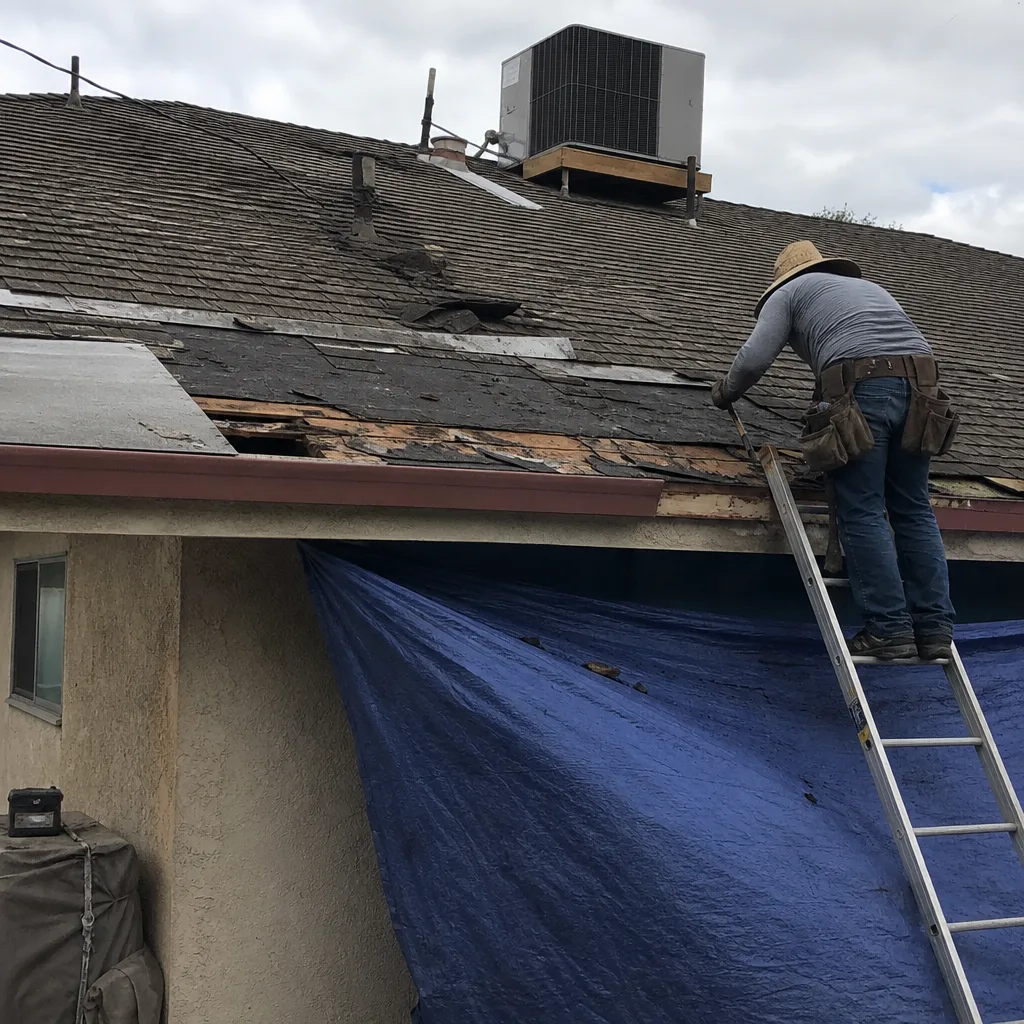 Before
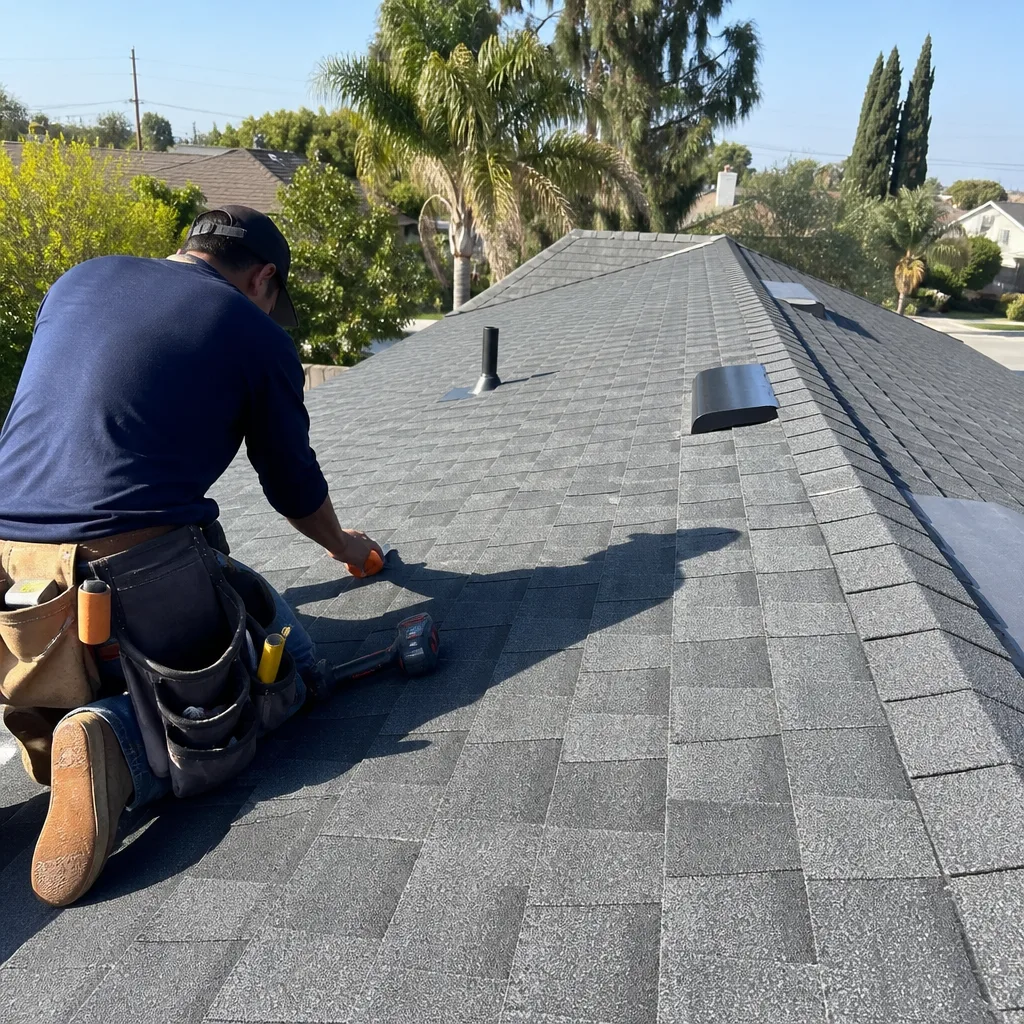 After
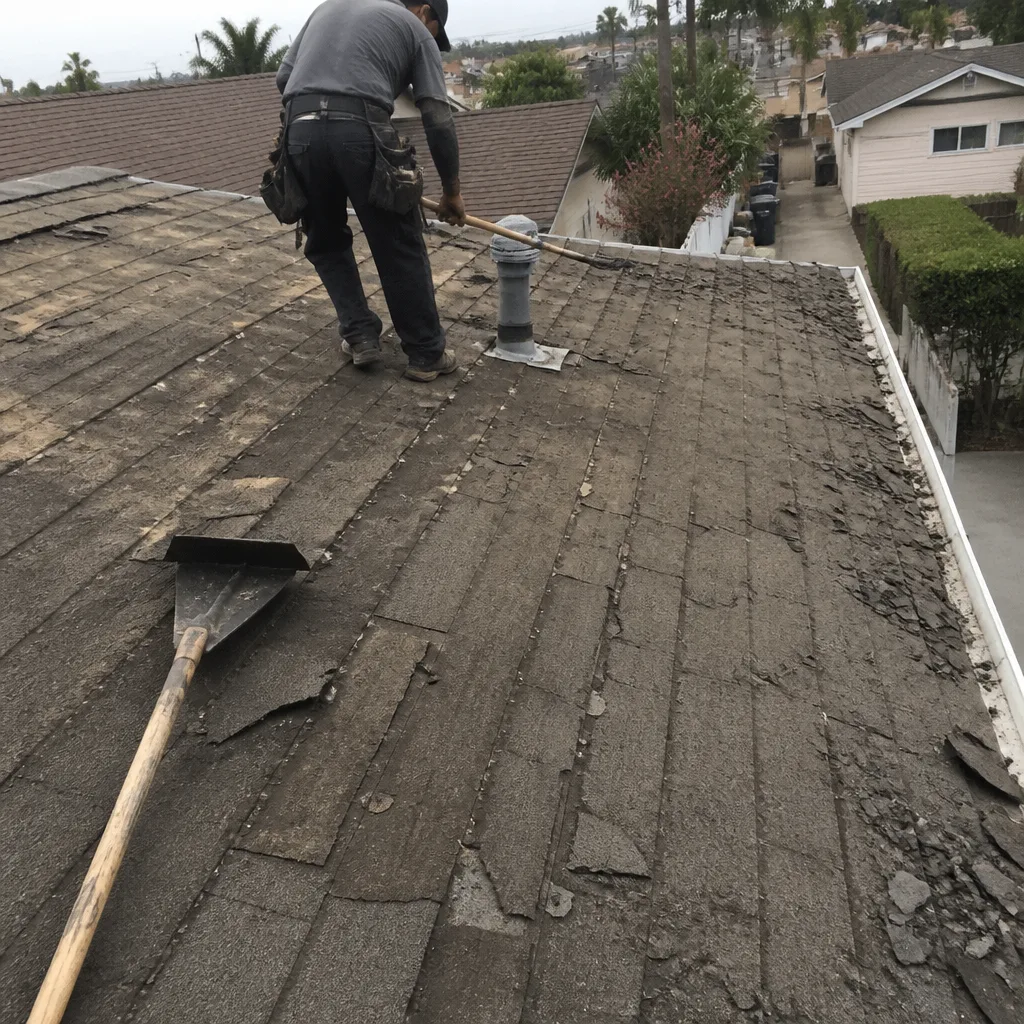 Before
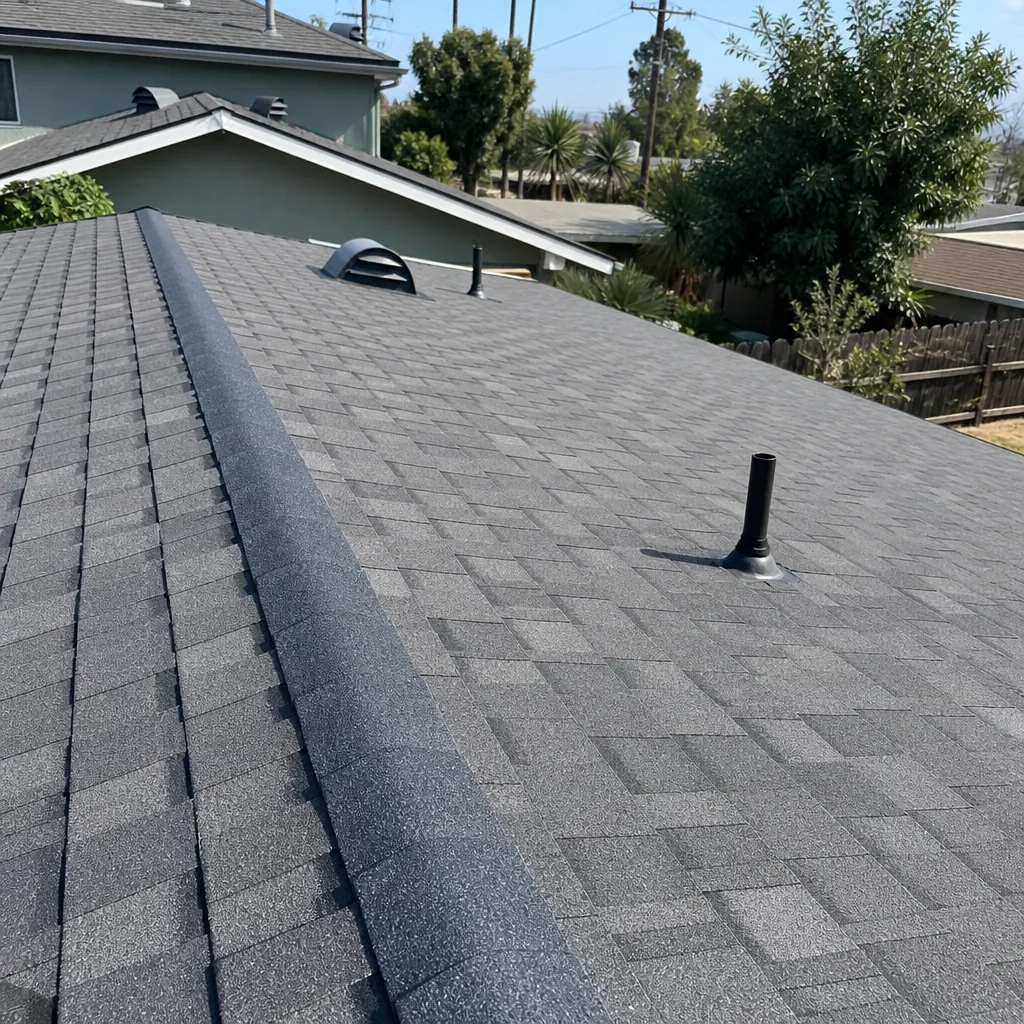 After
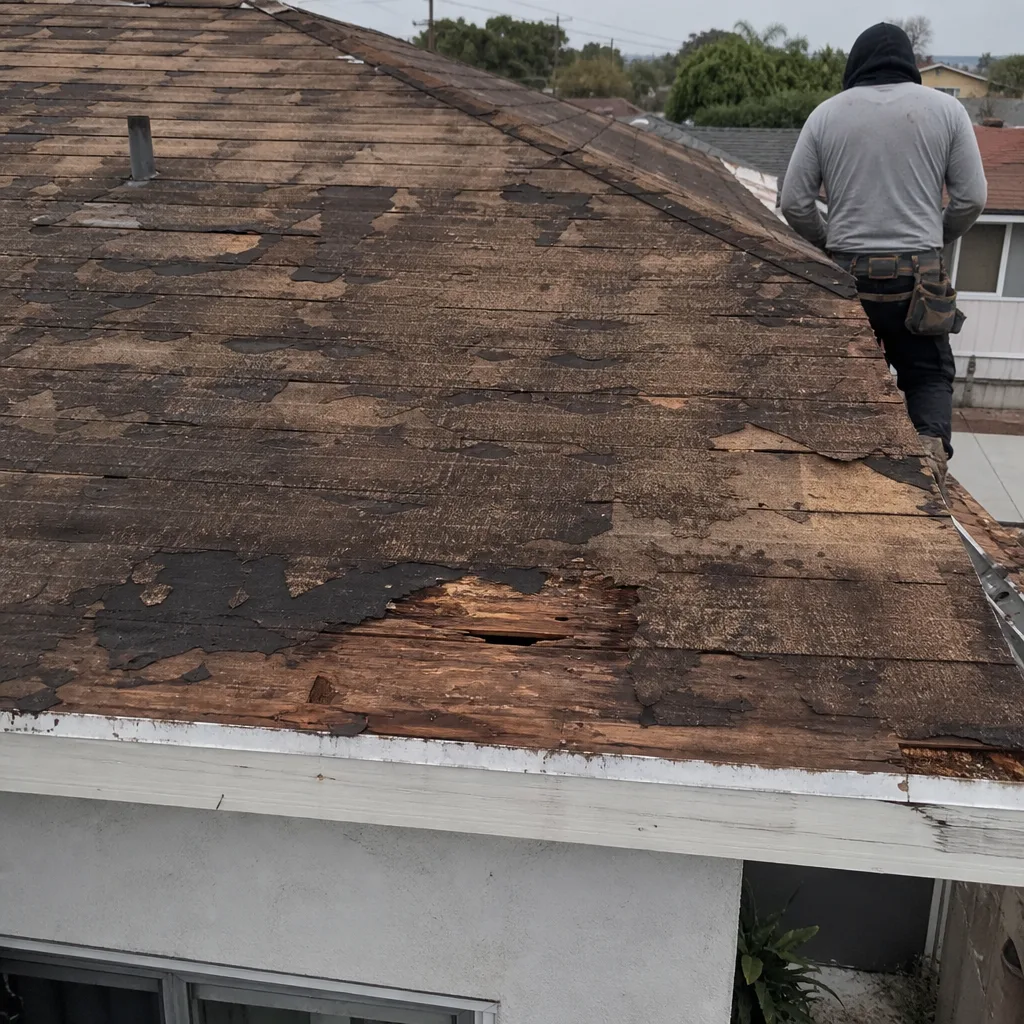 Before
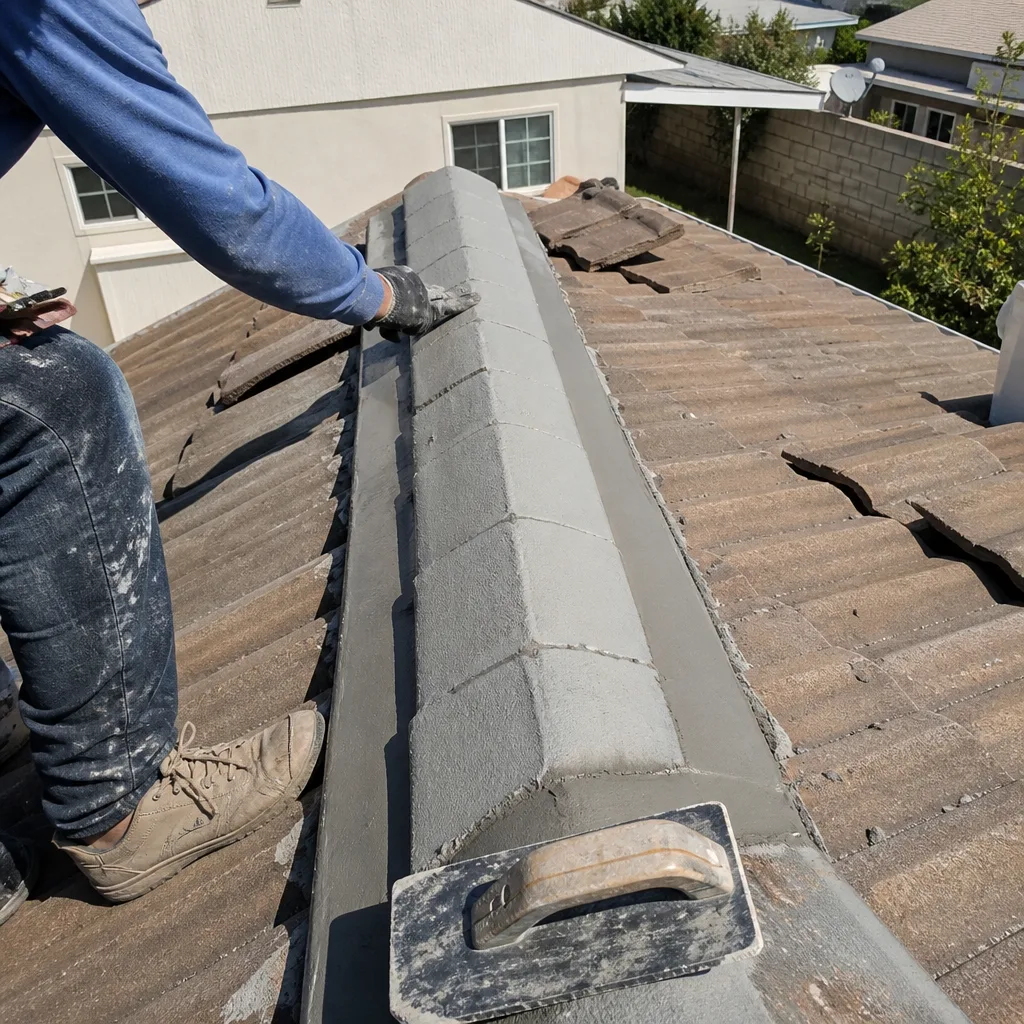 After