Last updated October 30, 2026
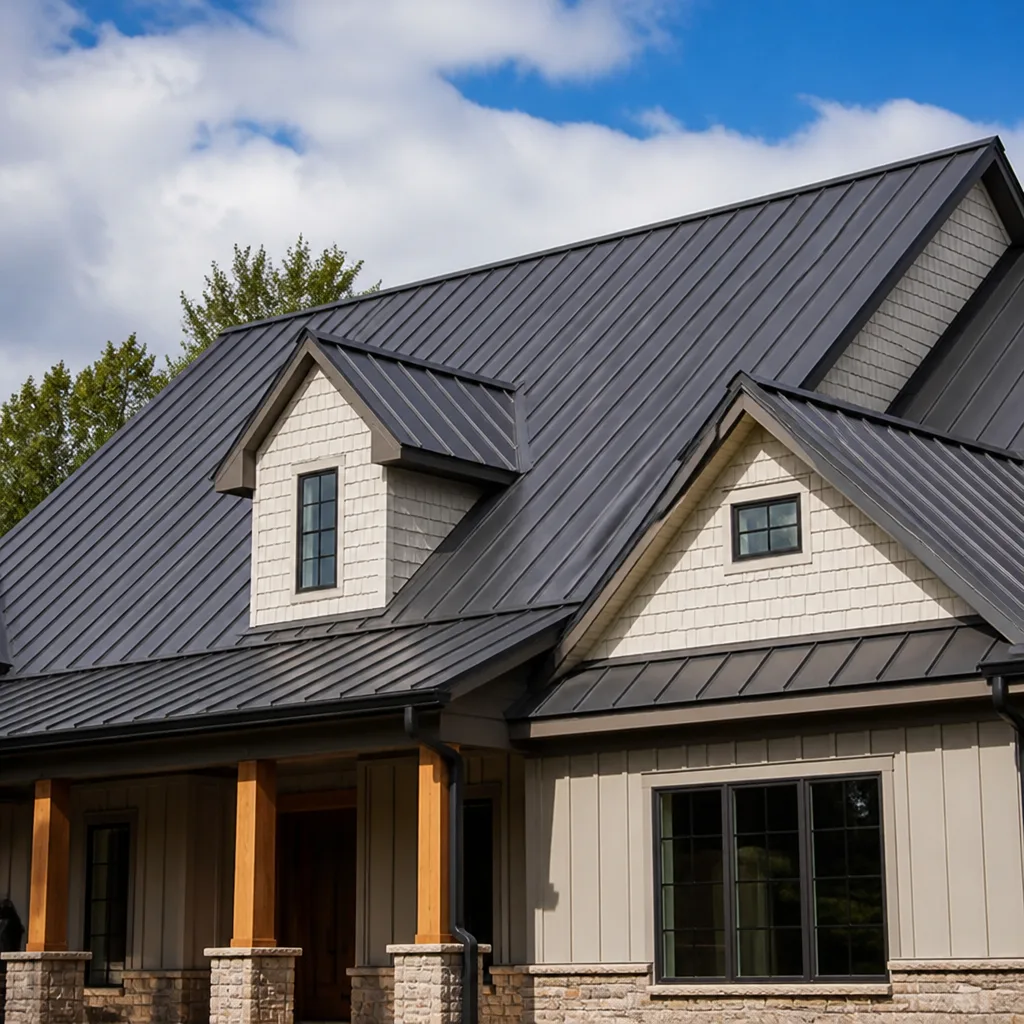 Metal roofing
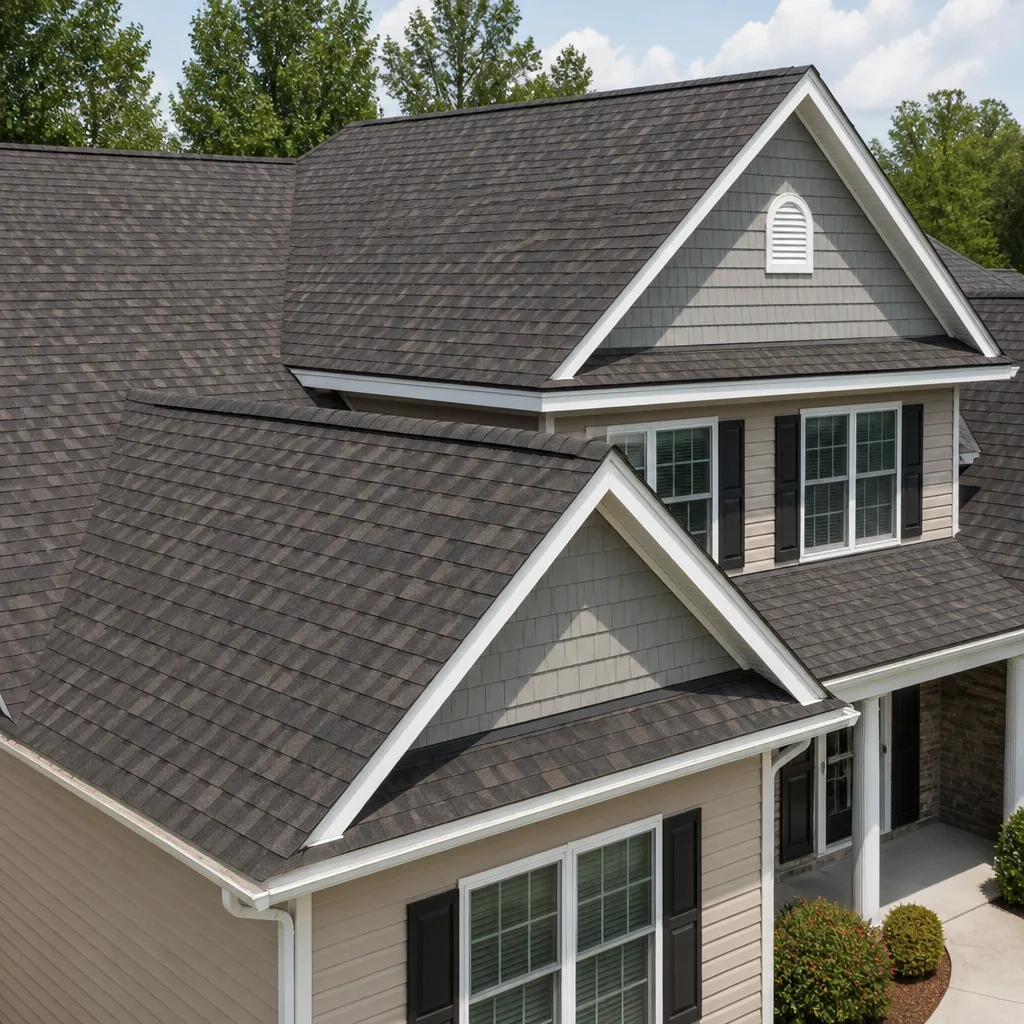 Architectural shingles
 Tile roofing
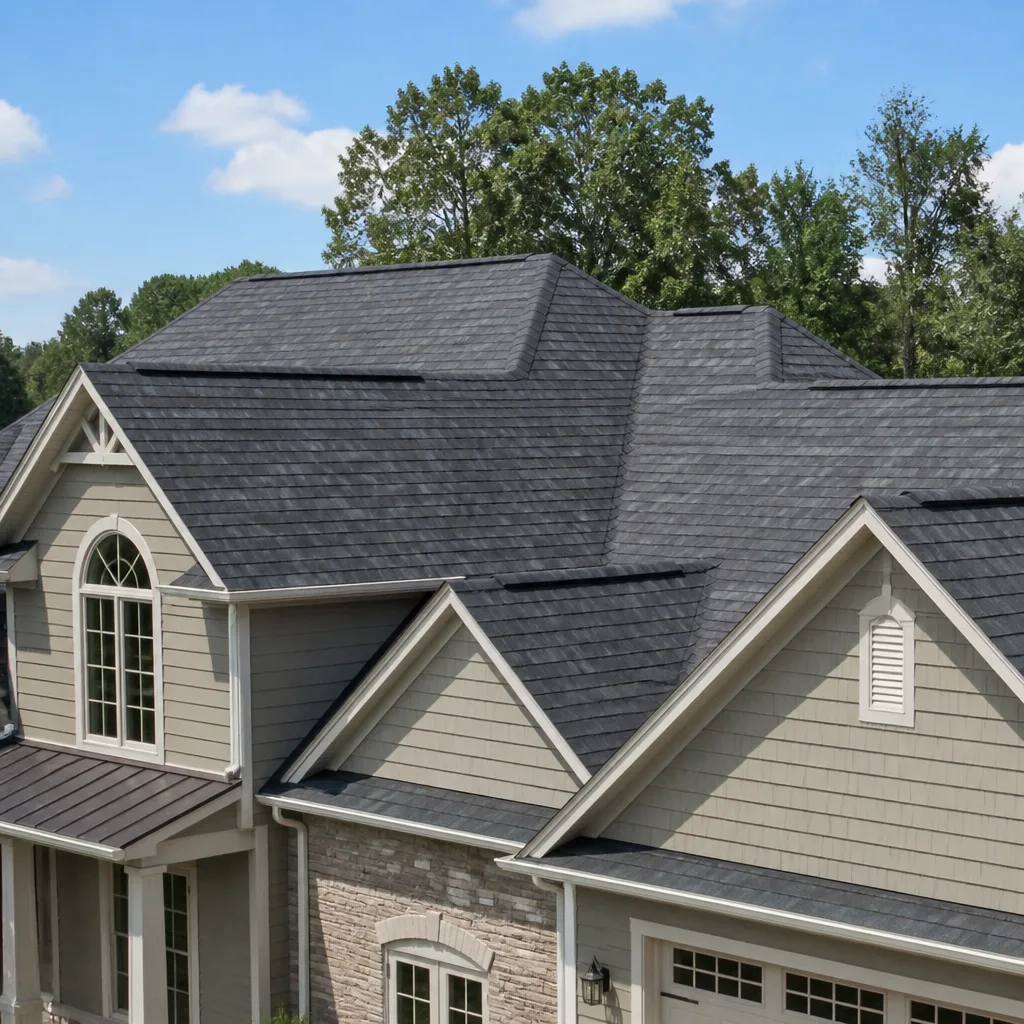 GAF
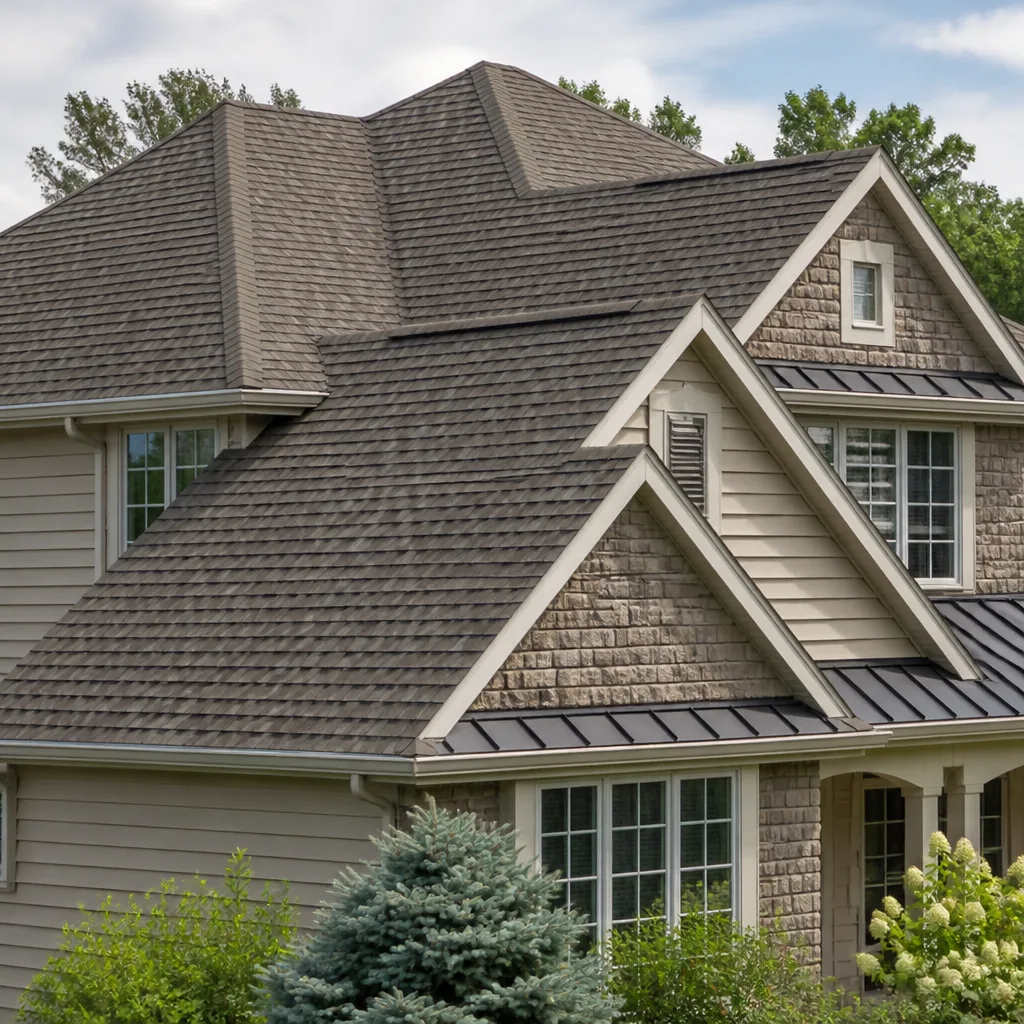 Owens Corning
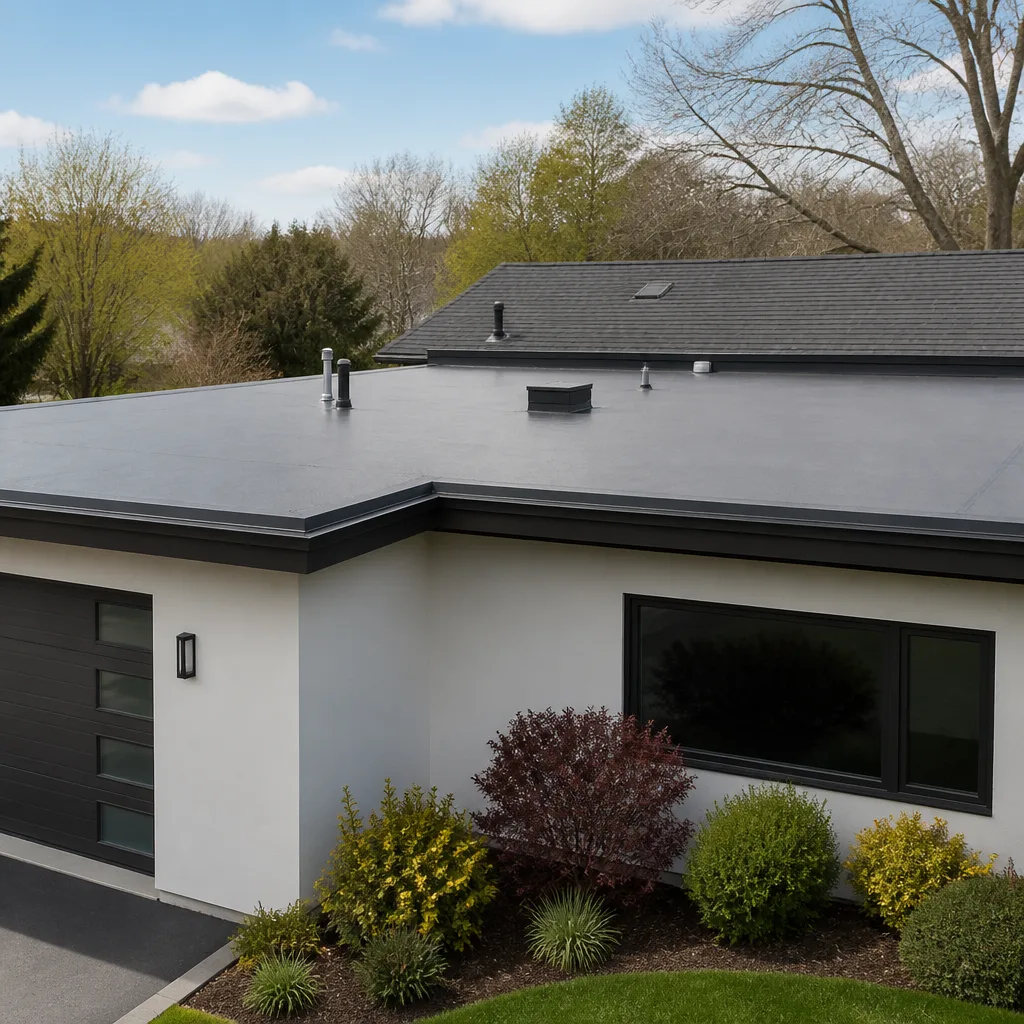 Flat & low-slope
Free roof inspection with deck photos before we talk money - GAF and Owens Corning certified installation
How to Hire a Roofing Contractor in El Monte: A Step-by-Step Guide
California has no shortage of licensed roofers, but a valid CSLB license only confirms someone paid their fees. It says nothing about whether they know the difference between a Class A and Class C fire rating, or how to flash a parapet wall correctly on a 1950s El Monte ranch home. Most hiring guides tell you to check a license and get three bids. That’s table stakes. This guide gives you a verification framework: the exact license checks, the five technical questions that separate roofers from order-takers, and the contract clauses that protect you when corners get cut. If you’re hiring a roofer anywhere in the San Gabriel Valley, this is how you do it without getting burned.
Styles & brands we work with
Quick Answer
To hire a roofing contractor in El Monte, verify their CSLB license classification and complaint history, ask five technical questions about materials and flashing during the quote, require a line-item written contract with scope and payment schedules, and compare bids by what’s included rather than price alone. A roofer who passes those checks – and explains the answers clearly – is worth shortlisting. A roofer who stalls, hedges, or quotes over the phone without looking at the roof is a walk-away.
Table of Contents
- Step 1: Verify the CSLB License and Read the Fine Print
- Step 2: The Five Technical Questions That Reveal Competence
- Step 3: Why Three Bids Only Work When You Compare Scope, Not Price
- Step 4: What a Complete Written Contract Must Include Under California Law
- Red Flags Specific to the San Gabriel Valley Roofing Market
- How to Talk About Shingle Brands Without Getting Swayed
- Common Mistakes to Avoid
- When to Call a Professional
- Frequently Asked Questions
- The Bottom Line
Step 1: Verify the CSLB License and Read the Fine Print
Every legitimate roofing contractor in El Monte must hold an active license from the California Contractors State License Board (CSLB). This is non-negotiable. But here’s what most guides skip: the license classification matters as much as the license itself.
California issues roofers under the C-39 classification. A general contractor with a B license can legally pull roofing permits, but that doesn’t mean they build roofs every day. A C-39 holder has passed a trade-specific exam covering roofing systems, flashing, ventilation, and waterproofing. That’s the distinction.
Here’s the verification sequence we recommend in El Monte:
- Run the license number on CSLB.ca.gov. Type the number into the “Check a License” tool. Confirm the status reads “Active” and the classification is C-39. If it says B and the roofer is bidding a full tear-off, ask why they don’t hold the roofing specialty license.
- Check the “Business Information” tab for complaints and citations. The CSLB records legal actions, arbitration awards, and consumer complaints. One old complaint may be noise. Three complaints in five years is a pattern.
- Confirm workers’ compensation insurance. On the same CSLB page, look for the workers’ comp certificate. Roofing is high-risk work. If a crew member gets hurt on your property and the contractor lacks coverage, your homeowner’s policy can become the target.
- Check the license issue date. A license issued six months ago isn’t automatically disqualifying, but it tells you the company is new. That matters for warranty claims. A workmanship warranty is only as good as the company still existing to honor it.
We’ve had El Monte homeowners come to us after signing with an unlicensed “handyman” roofer who charged half the market rate and disappeared after the first rain. The savings never survive the repair bill. Check the license before the quote, not after.
You don’t need to ask for proof of insurance. You need to verify it. Ask the contractor to have their insurer send you a certificate of insurance directly. If a roofer hesitates, that’s not a red flag. That’s a stop sign.
Step 2: The Five Technical Questions That Reveal Competence
References are only as good as the homeowners who remember to call back. Technical questions are immediate. They tell you whether the person quoting your roof understands the systems they’re about to install. Here are the five we recommend every El Monte homeowner ask during a quote. The wrong answer doesn’t mean “bad roofer” by itself. But the right answer tells you you’re not dealing with a sales rep in a hard hat.
- “What’s the existing roof’s ventilation setup, and will you change it?” El Monte summers push attic temperatures over 140 degrees. Poor ventilation cooks shingles from below and shortens their life by years. A competent roofer should mention intake and exhaust balance, not just “we’ll add a ridge vent.” If the roofer doesn’t mention ventilation at all, that’s a gap.
- “How do you flash the pipe penetrations and where the roof meets the chimney or walls?” Flashing is where roofs fail first. The correct answer involves step flashing, counterflashing, and materials that match the roof system. Listen for specifics. “We use standard flashing” is not an answer. “We use galvanized step flashing with a corrosion-resistant counterflashing at the chimney” is.
- “What’s your process if you find rotted decking under the shingles?” This is the change-order trigger point. An honest roofer says: “We’ll document it, show you photos, and give you a per-sheet price before we proceed.” A vague answer means you’ll find a surprise line item at the end.
- “What’s the underlayment you’re quoting, and what’s the fire rating?” This matters in El Monte because homes sit close together and wildfire risk extends into the foothills. A Class A fire rating is standard for good asphalt shingle systems. If the roofer can’t tell you what underlayment they’re specifying, they’re pricing blind.
- “Who installs the roof – your crew or a subcontractor?” There’s no universally wrong answer here. Subcontractors exist and do good work. But you need to know who’s on your roof, whether they’re covered by the contractor’s insurance, and who you call if something goes wrong. The wrong answer is a shrug.
These questions don’t require you to become a roofer. They require the roofer to prove they are one.
Step 3: Why Three Bids Only Work When You Compare Scope, Not Price
The standard advice is “get three bids.” That advice is incomplete. Three bids are only useful if you know they’re bidding the same roof.
Here’s what actually happens in El Monte. Three contractors walk the same roof. One quotes a full tear-off with new decking, ice-and-water shield at the eaves, upgraded ventilation, and GAF shingles. Another quotes a single-layer re-cover with a mid-tier shingle and no ventilation changes. A third quotes a tear-off at a price that seems too good, but the fine print excludes decking replacement and flashing work at the chimneys and walls. All three numbers fit on one page. They are not comparable.
When comparing bids, build a side-by-side list. Here’s what belongs on it:
- Roofing material brand and specific product line. “GAF Timberline HDZ” is a specific product with a known warranty and known performance. “Premium shingles” is not a specific product.
- Underlayment type and coverage area. One layer over the whole roof? Two layers? Ice-and-water at the eaves and valleys?
- Decking replacement terms. Is it included per sheet? Priced at a fixed per-sheet rate if rot is found? Not mentioned?
- Flashing scope. All new flashing at every penetration and transition? Reusing existing flashing? Silent on flashing?
- Ventilation changes. Ridge vent added? Intake vents added? None?
- Warranty split. Manufacturer material warranty vs. contractor workmanship warranty. These are separate. Get both in writing.
The mistake we see most often in El Monte isn’t choosing the cheapest bid. It’s choosing a bid without knowing what was excluded to get to that number. Exclusions aren’t always sneaky. Sometimes they’re legitimate choices that save money. But they need to be written down, discussed, and understood.
We’ll tell you what your roof actually needs. When repair is the right fix, we quote repair. When replacement is warranted, we say exactly why. That’s the difference between a roofer who wants a sale and a roofer who wants a roof that lasts.
Step 4: What a Complete Written Contract Must Include Under California Law
California Business and Professions Code Section 7159 sets minimum requirements for home improvement contracts over $500. Every roofing contract in El Monte should include the following, in writing, before you sign anything or pay a deposit:
- Contractor’s name, license number, and business address. The license number on the contract must match the license number on the CSLB. No exceptions.
- Detailed scope of work. Materials with brand and product names, quantities, underlayment type, flashing details, ventilation, and any exclusions stated plainly. “Complete new roof” is not a scope of work. A written scope is specific enough that another roofer could quote the same job without seeing the property.
- Start and completion dates, or at least a written schedule. Roofs get delayed by weather. That’s legitimate. But the contract should state how delays are handled.
- Total contract price and payment schedule. California caps the down payment at 10% of the contract price or $1,000, whichever is less. If a roofer asks for 30% upfront, that’s a direct violation of state law.
- Change order process. This is the clause most contractors quietly omit. You need a written agreement that no additional work proceeds without a signed change order specifying the cost. Without it, a verbal “we found rotted decking, it’ll be another $4,000” becomes unenforceable.
- Mechanic’s lien warning and release terms. The roofer has a right to file a lien if they don’t get paid. You have a right to know that and to require lien releases from subcontractors and suppliers before final payment.
Two clauses to look for that most contractors quietly omit:
1. The “no lien release” clause. Make final payment contingent on receiving signed conditional lien releases from the roofer, their subcontractors, and material suppliers. If the roofer doesn’t pay the shingle supplier, the supplier can file a lien against your home even though you paid the roofer in full. This happens more often than you’d think.
2. The “arbitration instead of court” clause. Some contracts include a binding arbitration provision buried in the fine print. It’s not automatically bad, but you should know it’s there. Arbitrations are private, the rules favor the repeat player, and the decision is usually final with almost no appeal option. If you want your day in court available, strike the clause. Negotiating it out before signing is much easier than fighting it after the roof leaks.
At Vista Roof Repair home, every quote includes a written scope with material brands, a clear change order process, and no surprise clauses. The same team that inspects your roof is the team that repairs or replaces it. If we find rotted decking, you’ll see photos and a signed change order price before we touch it.
Red Flags Specific to the San Gabriel Valley Roofing Market
Every market has its own games. Here are the ones we see most often in El Monte and the surrounding San Gabriel Valley:
- The storm-chaser pitch after a windy week. The San Gabriel Valley gets its share of Santa Ana wind events. A knock at your door the week after high winds, with a “free inspection” and a story about damage your neighbors already had, is a classic chaser pattern. Legitimate damage is worth checking. But check with a roofer you chose, not one who chose you.
- The bait-and-switch shingle substitution. The quote says GAF Timberline. The invoice says “equivalents” or a lesser-known label. Some contractors quote a name-brand product and install a cheaper alternative that looks similar on the truck. The contract must name the exact product line, and you should check the wrappers on delivery. If the brand on the pallet doesn’t match the contract, stop the job until you get an answer.
- The “we’ll just re-cover it” upsell at a discount. In some cases, a second layer of shingles over an existing layer is legal and fine. In others, it hides decking problems and doubles the weight on a structure that was never designed for two layers. A roofer who quotes a re-cover without inspecting the decking and explaining the tradeoffs is cutting a corner on your dime.
- The unknown-brand underlayment. The underlayment is the waterproofing layer under everything visible. Some roofers install the shingles name-brand and the underlayment no-name. You never see it. Ask what’s going under the shingles, get it in writing, and verify the rolls on-site.
- The cash discount that becomes the only price. A roofer who wants the job paid in cash without a written contract is not just dodging taxes. They’re dodging the paper trail you’d need to enforce anything later.
If a roofer in El Monte is pressuring you to sign today with a price that expires in two hours, let it expire. A written estimate should be good for at least 30 days. The forecast isn’t changing that fast.
How to Talk About Shingle Brands Without Getting Swayed
Material choice is a homeowner right, not a contractor convenience. You should choose from a range of products at different price points, and you should know why the roofer recommends what they recommend.
A roofer who only installs one brand typically isn’t making that choice for your benefit. They’re making it for their supply agreement or their rebate structure. That’s not necessarily wrong, but it’s not your problem to solve. A contractor who works across multiple manufacturers can match your budget to your roof without bending the truth.
We work with seven major roofing brands, including GAF, CertainTeed, Owens Corning, IKO, Atlas, Tamko, and Boral. That gives us room to be honest. If your El Monte roof needs a certain fire rating or a specific warranty length, we have options. If the budget calls for a solid value-tier shingle like Tamko or Atlas, we can quote that. If a premium product like GAF or CertainTeed fits the long-term plan better, we can quote that too.
Here’s how to talk about brands during a quote:
- Ask which specific product line is quoted, not just the brand. GAF makes dozens of shingle lines. “GAF Timberline HDZ” is a meaningful product. “GAF shingles” is vague enough to hide a downgraded line.
- Ask what the material warranty actually covers and for how long. A “lifetime limited warranty” means different things for different lines. Some cover full replacement for 10 years and prorated after. Know where the cliff is.
- Ask about the roofer’s ability to source alternatives. If the roofer can only quote one brand, you’re not getting a comparison. You’re getting a presentation.
In our experience, the brand conversation matters most when someone else is making the decision for you. A Roof Replacement in El Monte is a two-decade decision. You should choose the material based on what fits your home and your budget, with a contractor who can explain the tradeoffs honestly.
Common Mistakes to Avoid
- Skipping the CSLB complaint check. Checking the license is step one, but too many homeowners stop there. The complaint history is the actual track record. Two minutes on the CSLB site tells you more than any review.
- Signing a contract that says “per manufacturer specifications” with no other detail. This phrase is a gift to the contractor. It means they haven’t defined what they’re installing, and you’ve agreed to whatever they decide counts. If the scope of work fits in one sentence, it’s not a scope.
- Buying the cheapest bid without knowing what was removed to make it the cheapest bid. Prices vary for a reason. The reason is usually legitimate: fewer material steps, no ventilation upgrades, reused flashing, or excluded decking. Find the reason before you write the check.
- Ignoring the roof’s ventilation because it doesn’t leak yet. El Monte attic temperatures cook shingles from below and drive up your cooling bills. A roof that’s replaced without addressing ventilation is a roof that will age faster and fail sooner than the warranty suggests.
- Treating the down payment like a handshake. California law caps down payments at 10% or $1,000, whichever is less. A contractor asking for 30% or “materials paid separately” is either uninformed or testing what you’ll accept.
- Not getting the warranty split in writing. The manufacturer’s material warranty and the contractor’s workmanship warranty are separate documents from separate parties. A roofer who tells you “it’s all covered” without specifying who covers what is selling you a feeling, not a warranty.
When to Call a Professional
Certain roof issues don’t wait for a convenient season. If you see water stains on an interior ceiling, shingles lifting after high winds, granules collecting in the gutters by the handful, or daylight visible in the attic through the roof deck, those are signals that the roof’s protective layer has already been compromised. A Roof Inspection in El Monte is the logical next step, and it doesn’t commit you to anything. If you need a targeted repair, that’s a separate conversation from a full replacement. The right fix for your roof is the one that matches the actual damage, not the one that matches the roofer’s slow season.
Vista Roof Repair offers free estimates in El Monte. Call (866) 253-8145 to schedule yours. We inspect first, report what we find, and quote what the roof actually needs. No pressure, no automatic replacement pitch.
Frequently Asked Questions
Visit the CSLB website at CSLB.ca.gov and enter the contractor’s license number in the “Check a License” tool. Confirm the license is active, the classification is C-39 (roofing), and review the business information tab for complaints, citations, and workers’ compensation status. A valid license in El Monte is the non-negotiable starting point, but the complaint history and classification tell you far more than the number itself.
Roof replacement costs vary by home size, roof pitch, material choice, and the condition of the underlying decking. In El Monte, a straightforward asphalt shingle tear-off and replacement on a typical 1,200 to 1,800 square foot home generally ranges from $8,000 to $16,000, though larger homes, steep roofs, and upgrades like premium shingles or extensive decking replacement push that number higher. For a precise quote on your home, Roof Replacement in El Monte services include a written, line-item estimate. Call (866) 253-8145 and we’ll walk the roof and price it exactly.
A roof repair addresses a specific, localized problem such as a leak around a pipe penetration, missing shingles, or damaged flashing at a wall. A roof replacement removes all existing roofing layers down to the decking and installs a new system. When repair is viable, we quote repair. When the decking or shingle field has aged past reliable patching, replacement is the honest recommendation. For El Monte homes, a Roof Repair in El Monte starting point is often a standalone inspection to determine which path makes sense. Call (866) 253-8145 for a free estimate either way.
El Monte’s hot, dry summers and mild, wet winters reward asphalt shingles with strong UV resistance and a solid fire rating. Class A fire-rated shingle systems, such as GAF Timberline HDZ or CertainTeed Landmark, are well-suited to the area’s heat and density. For budget-conscious homeowners, value-tier lines from Tamko and Atlas can also perform well when installed with proper ventilation and a quality synthetic underlayment. The material matters less than the system around it: ventilation, flashing, and underlayment are what keep an El Monte roof alive past year 15.
A properly installed, properly ventilated asphalt shingle roof in El Monte should last 20 to 30 years depending on the specific product line, roof pitch, and attic ventilation quality. Roofs with poor ventilation or shoddy flashing can fail in half that time. If your roof is over 15 years old and you’re seeing granule loss or recurring leaks, an inspection is the right call before another rainy season arrives.
In some cases, building code allows a second shingle layer over a single existing layer. But re-covering hides decking problems, doubles the weight on the structure, and shortens the new shingles’ life compared to a tear-off. In El Monte, we generally recommend tear-off for roofs over 15 years old or any roof with signs of decking damage. The right answer depends on what the inspection finds beneath the shingles. Call (866) 253-8145 and we’ll give you an honest recommendation.
The Bottom Line
Hiring a roofing contractor in El Monte is a verification exercise, not a feel-good decision. Check the CSLB license and complaint history before anything else. Ask the technical questions that separate roofers from order-takers. Compare bids by scope, materials, and what’s excluded. Get the contract written with a clear change order process and lien releases. For more guides & resources, the right contractor will answer every question without hesitation because they’ve done this work long enough to know the answers cold. The wrong contractor will stall, deflect, or promise a price that’s too good to be true. In roofing, as in most things, clarity is the tell.
Vista Roof Repair works across seven major shingle brands and offers inspection, repair, and replacement under one roof. If you need a roofer in El Monte who will tell you what your roof actually needs and then do that work properly, call (866) 253-8145 to schedule a free estimate.
Written by the team at Vista Roof Repair, serving El Monte since 2017.
See the difference
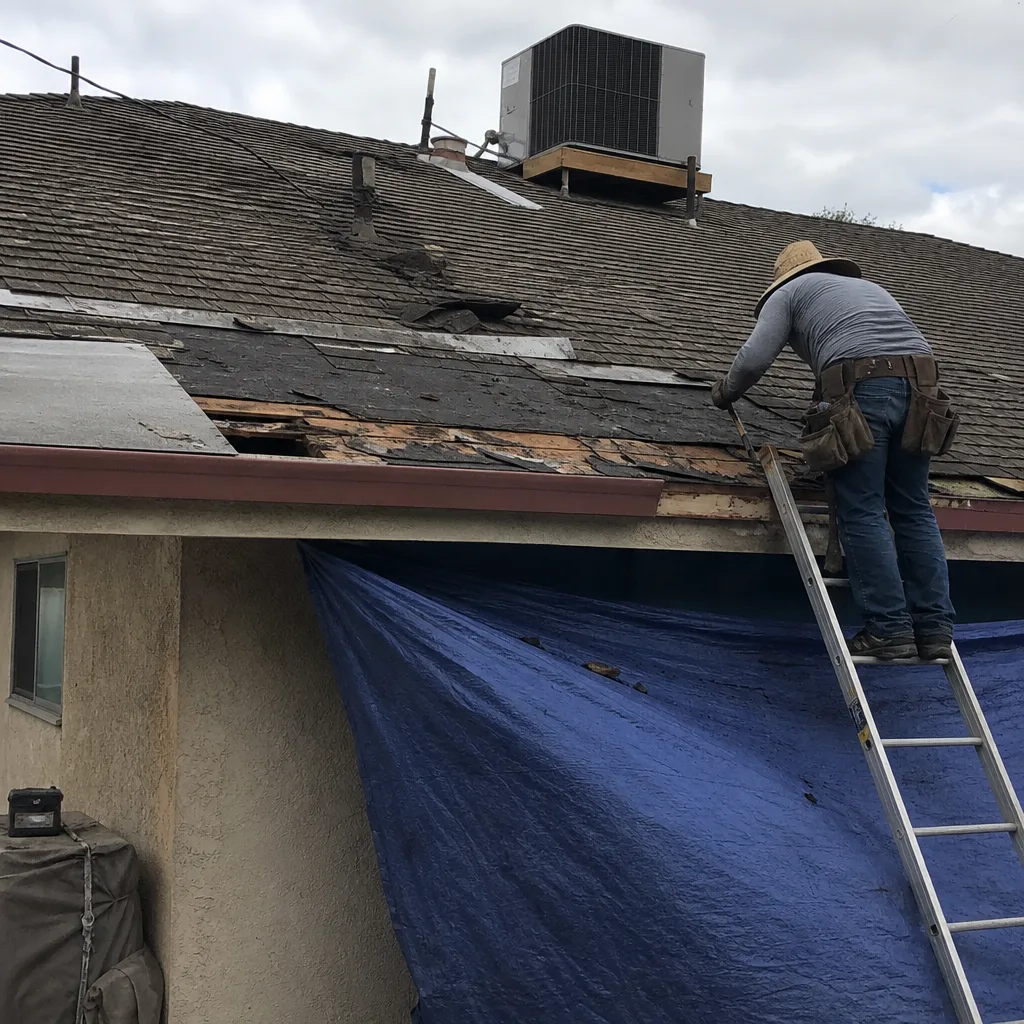 Before
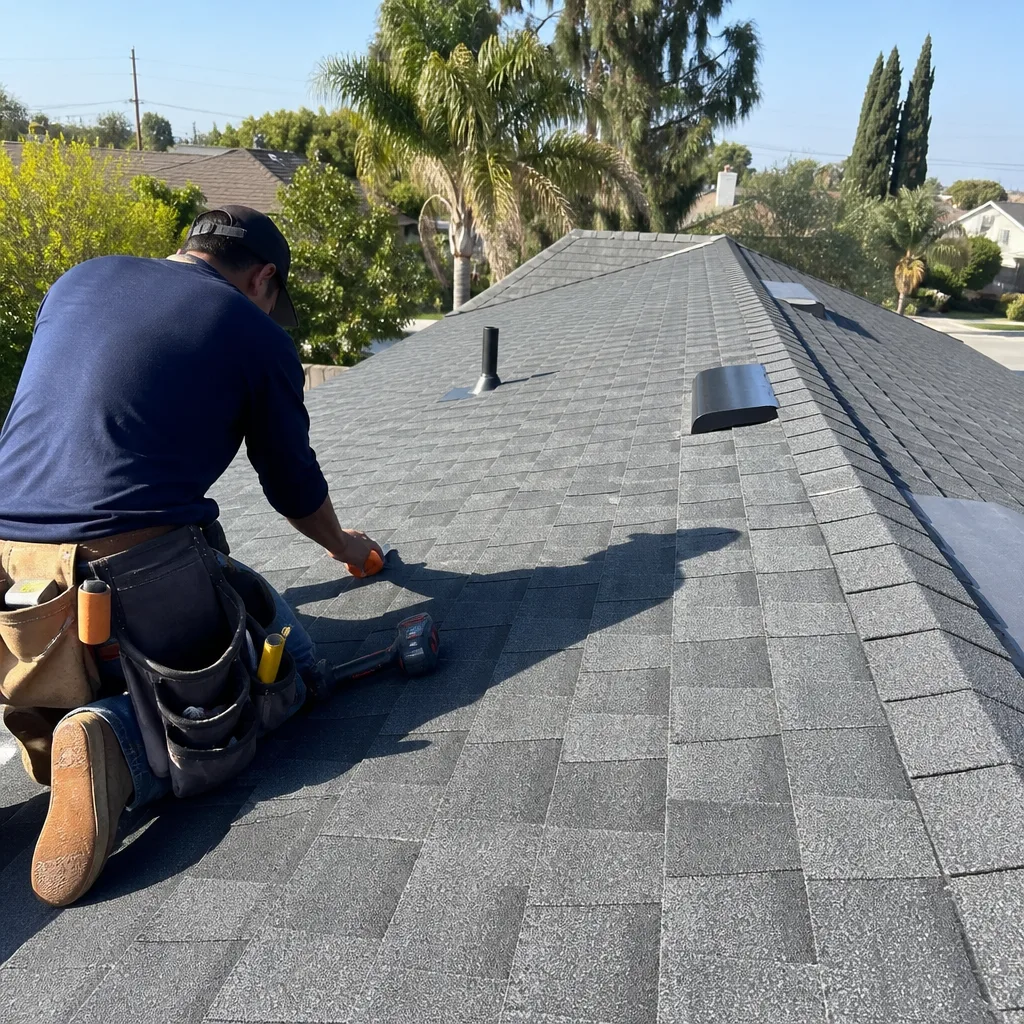 After
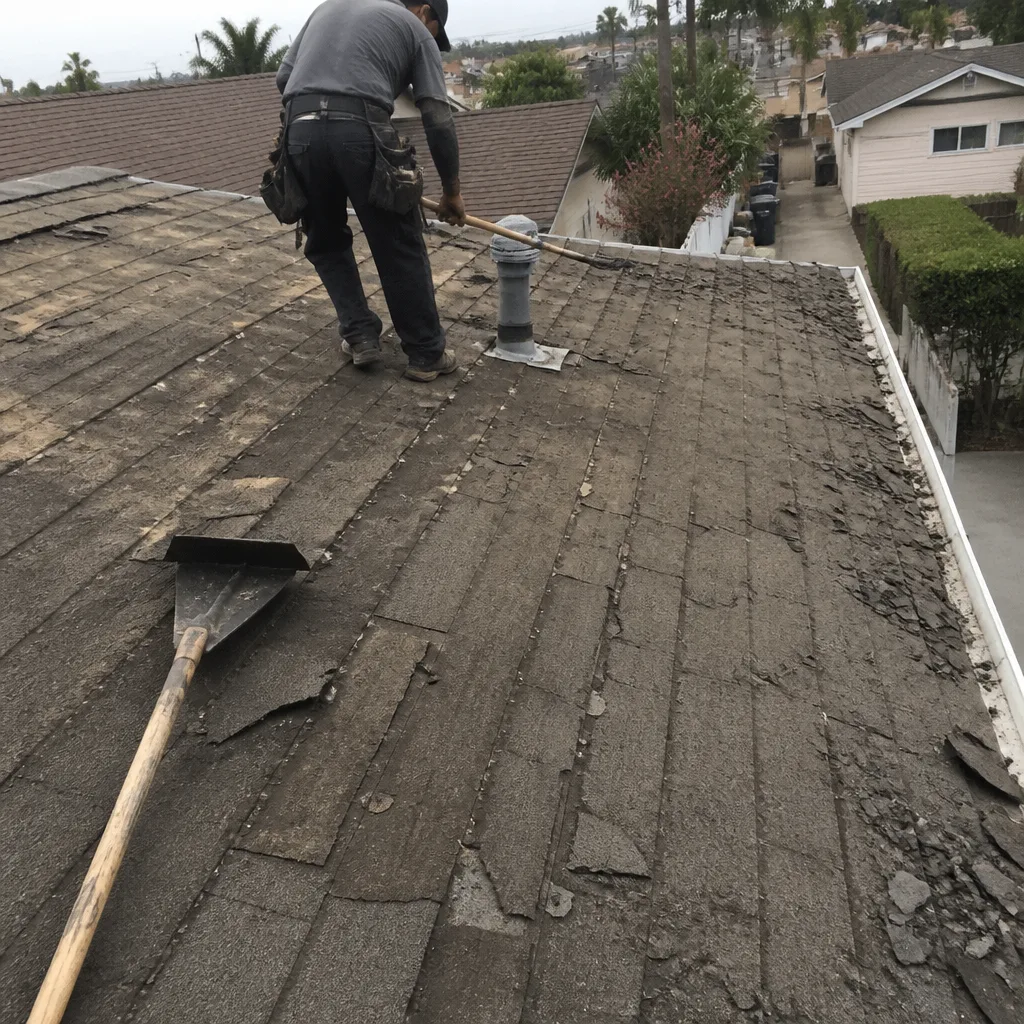 Before
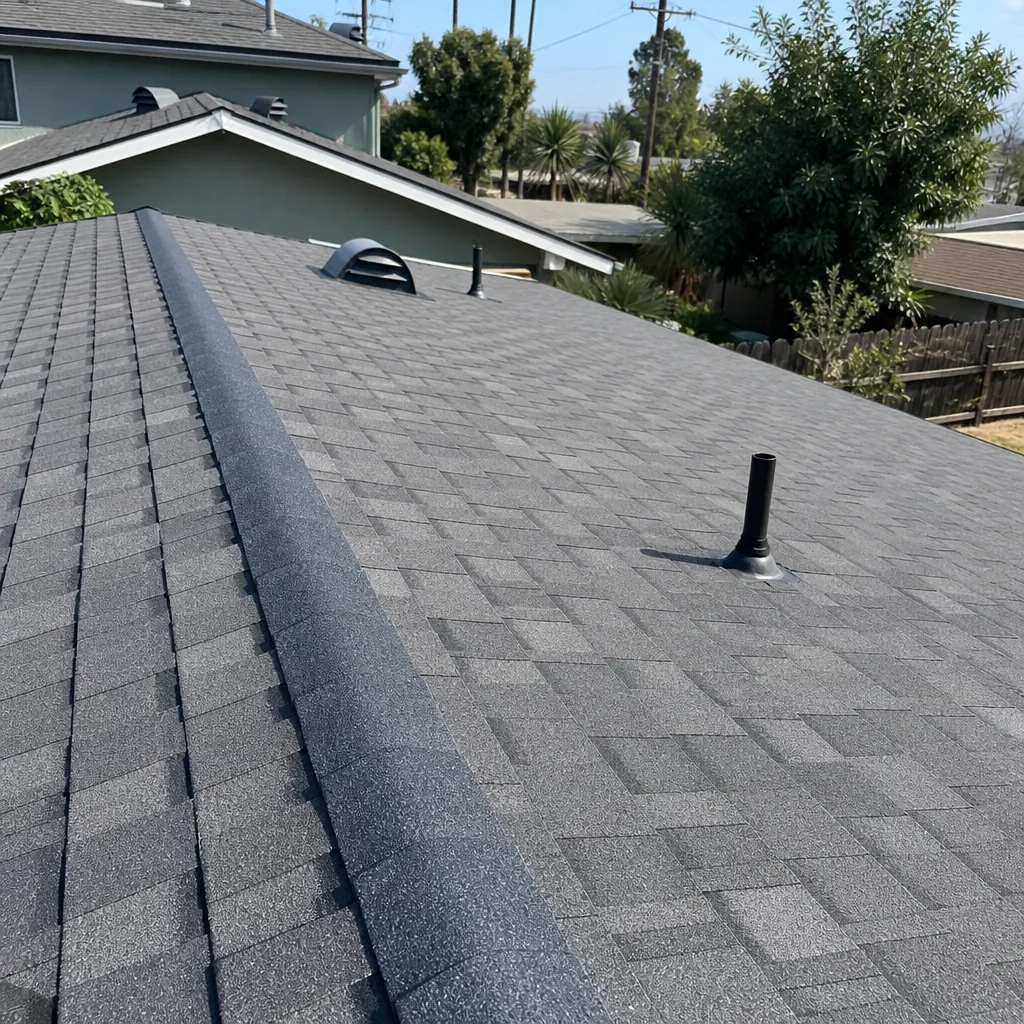 After
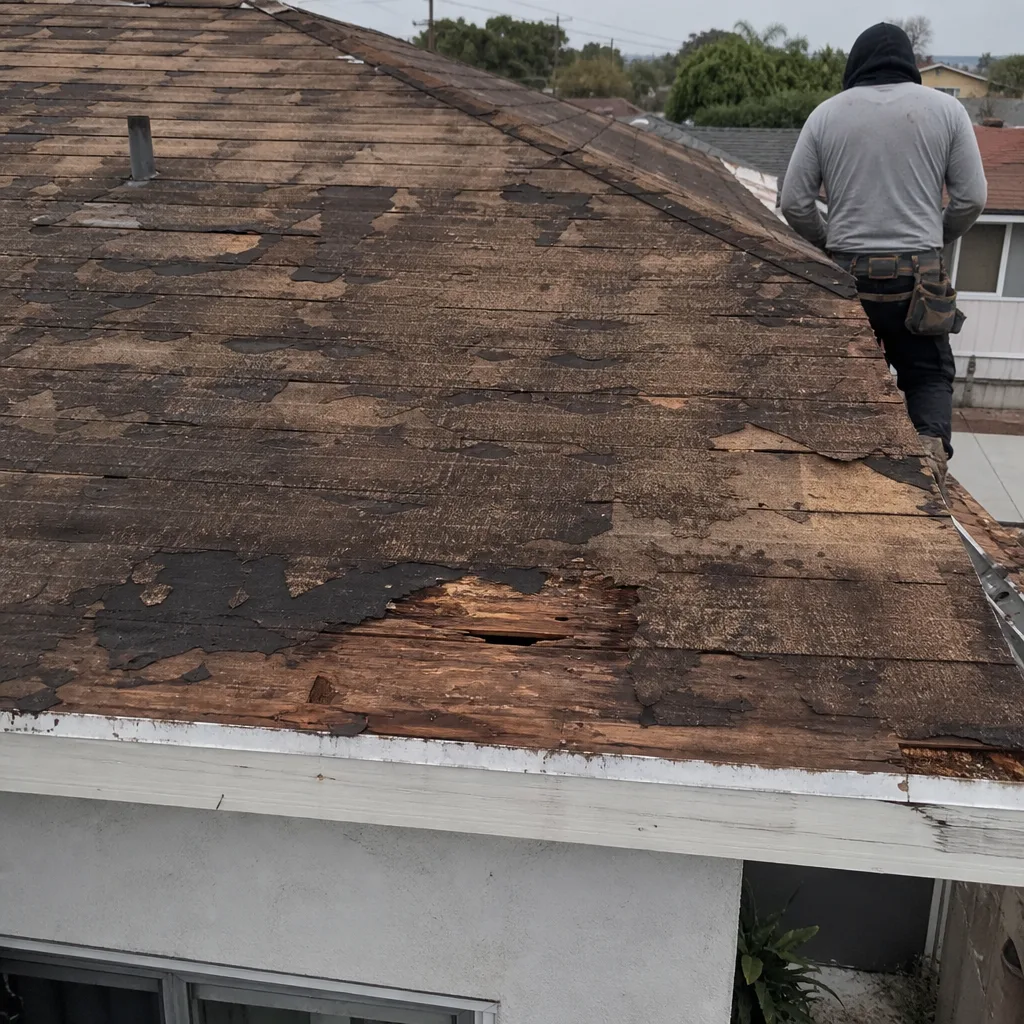 Before
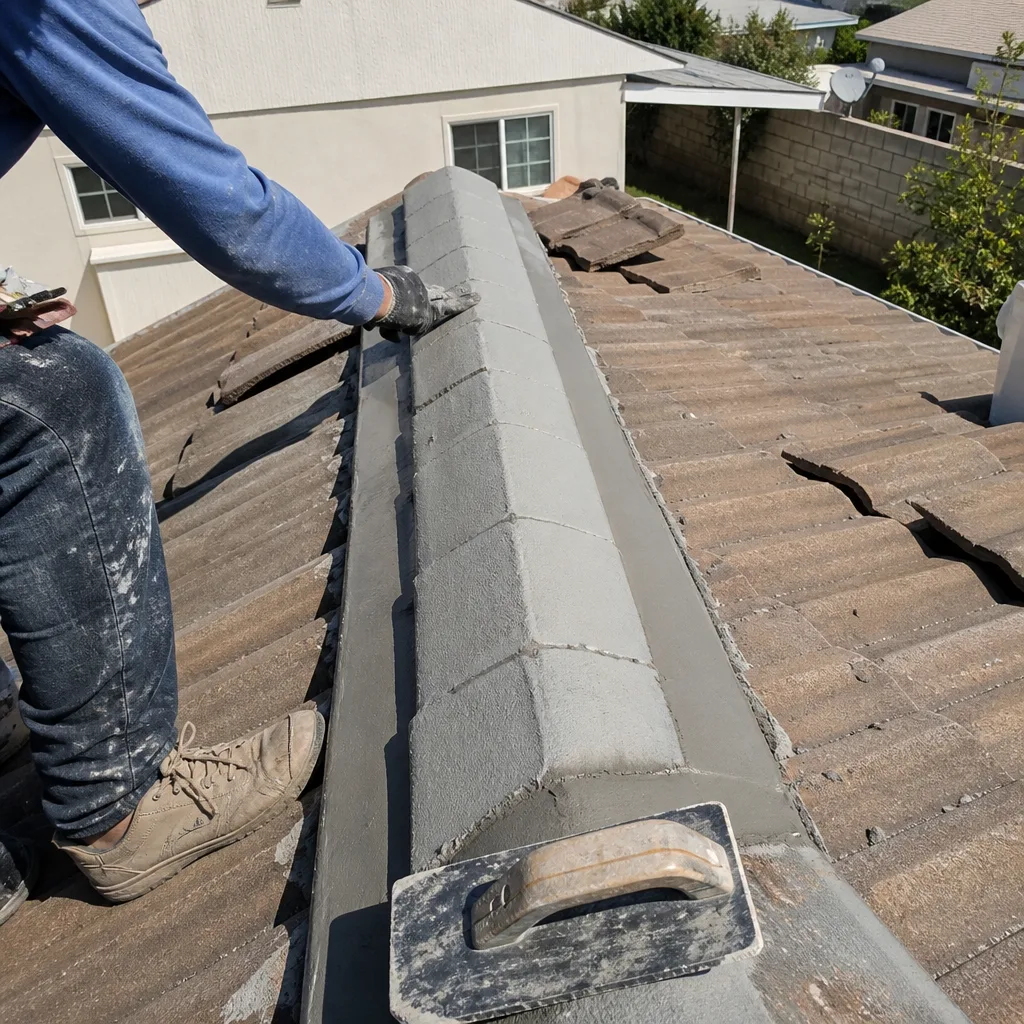 After