
Last updated October 30, 2026
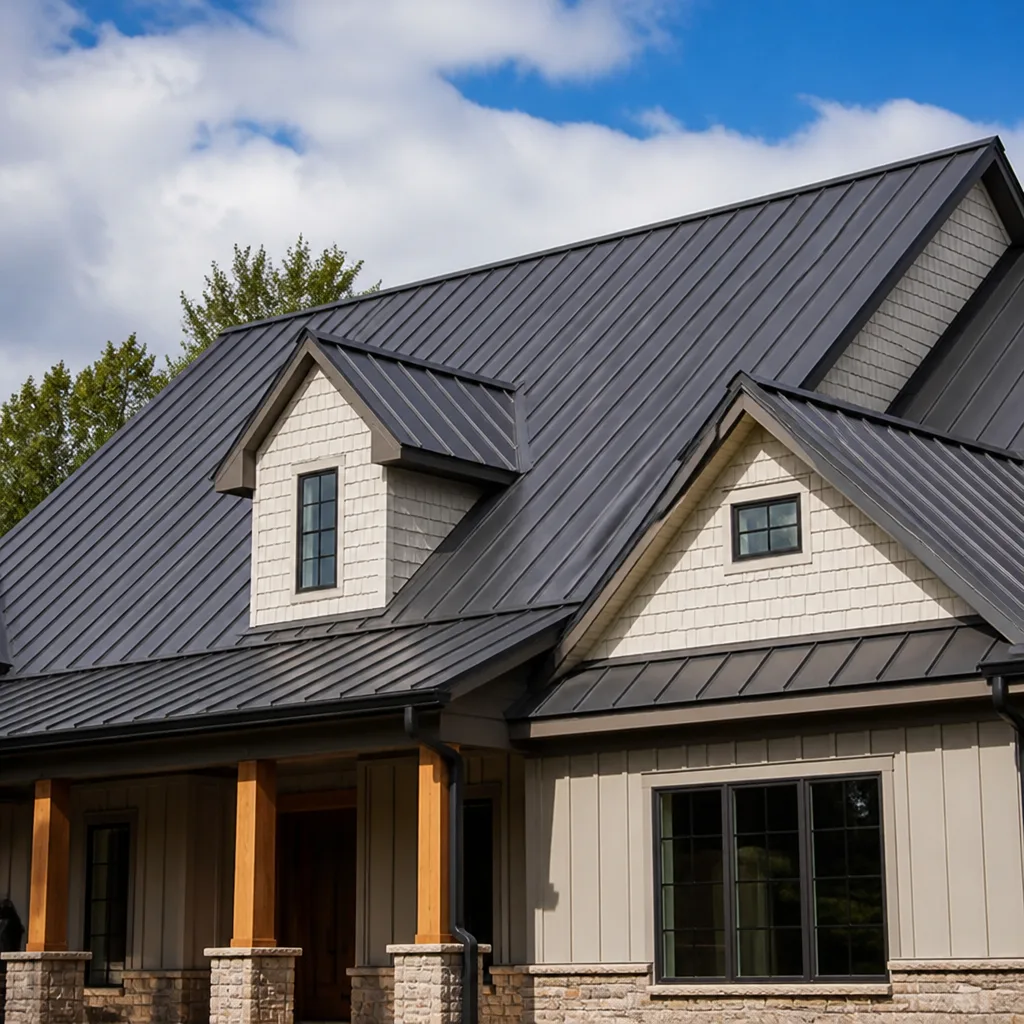 Metal roofing
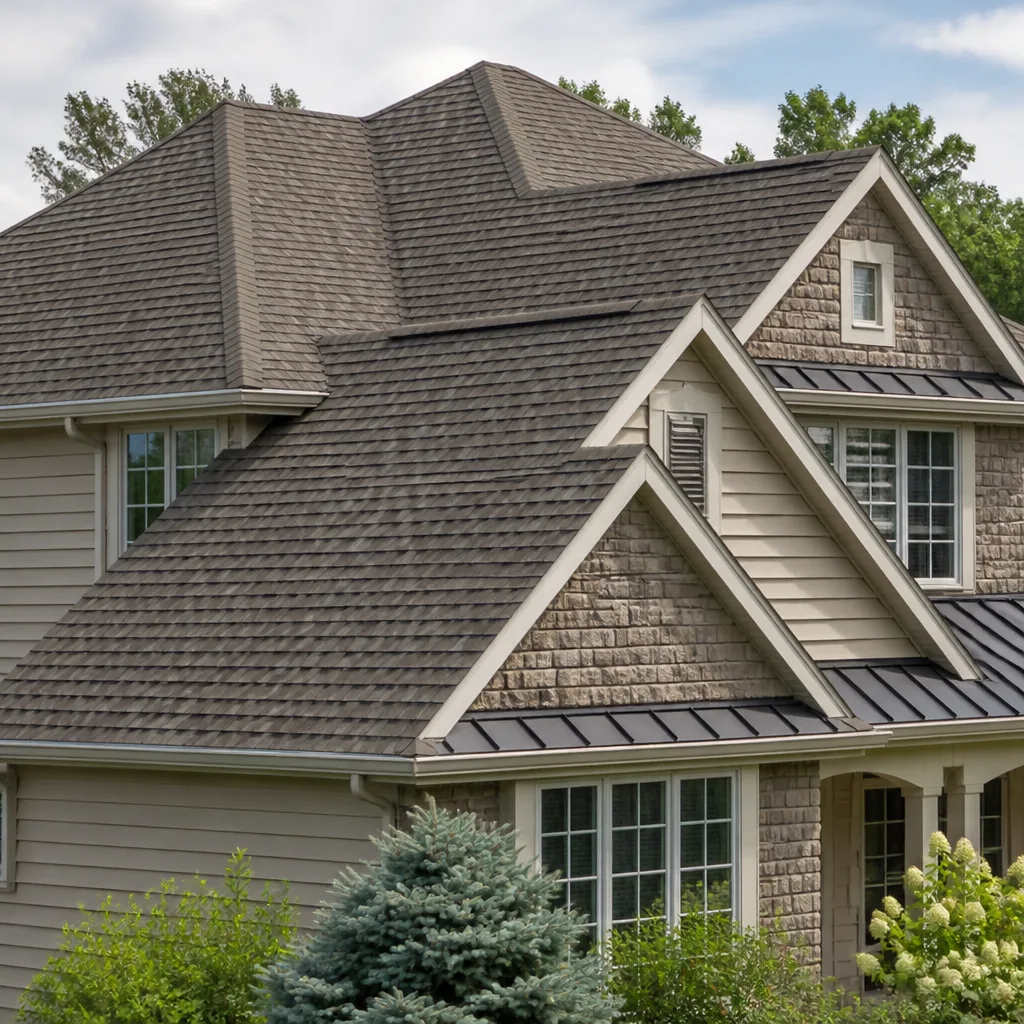
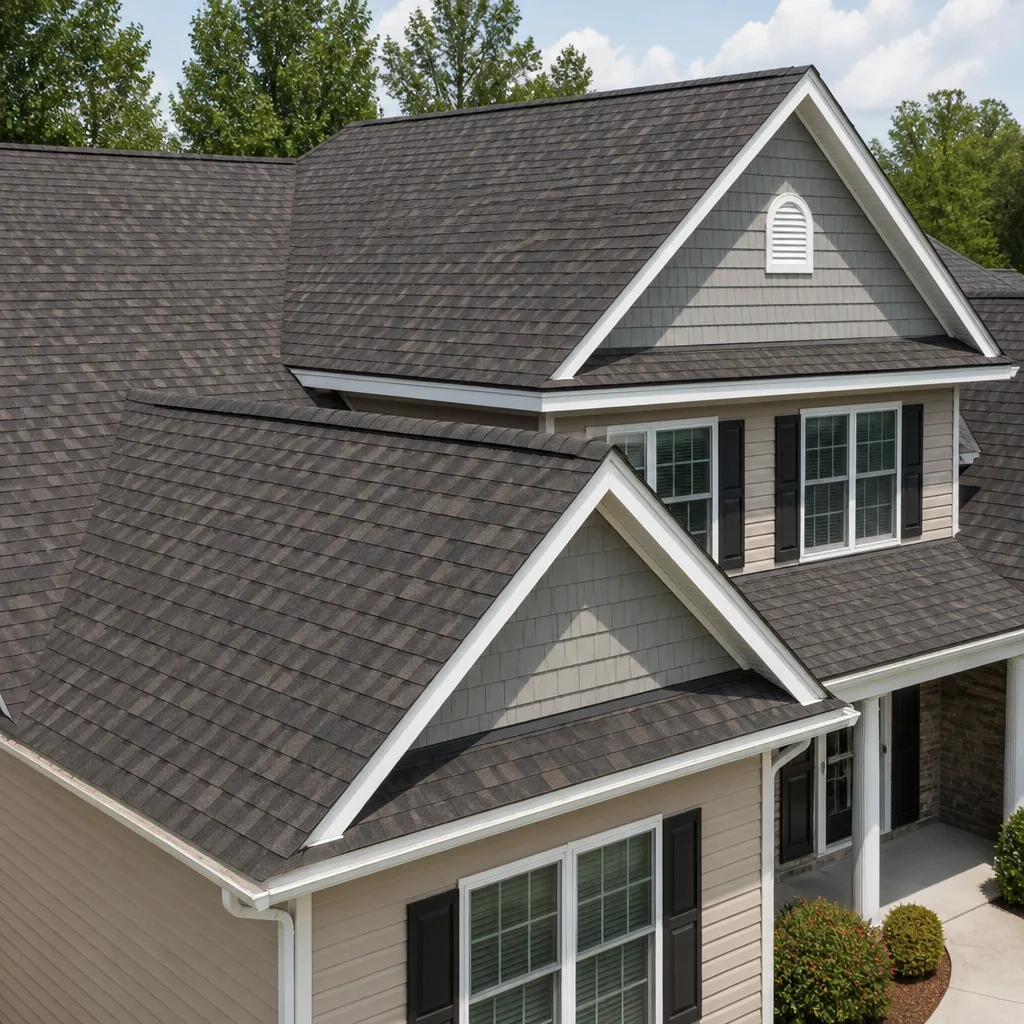 Architectural shingles
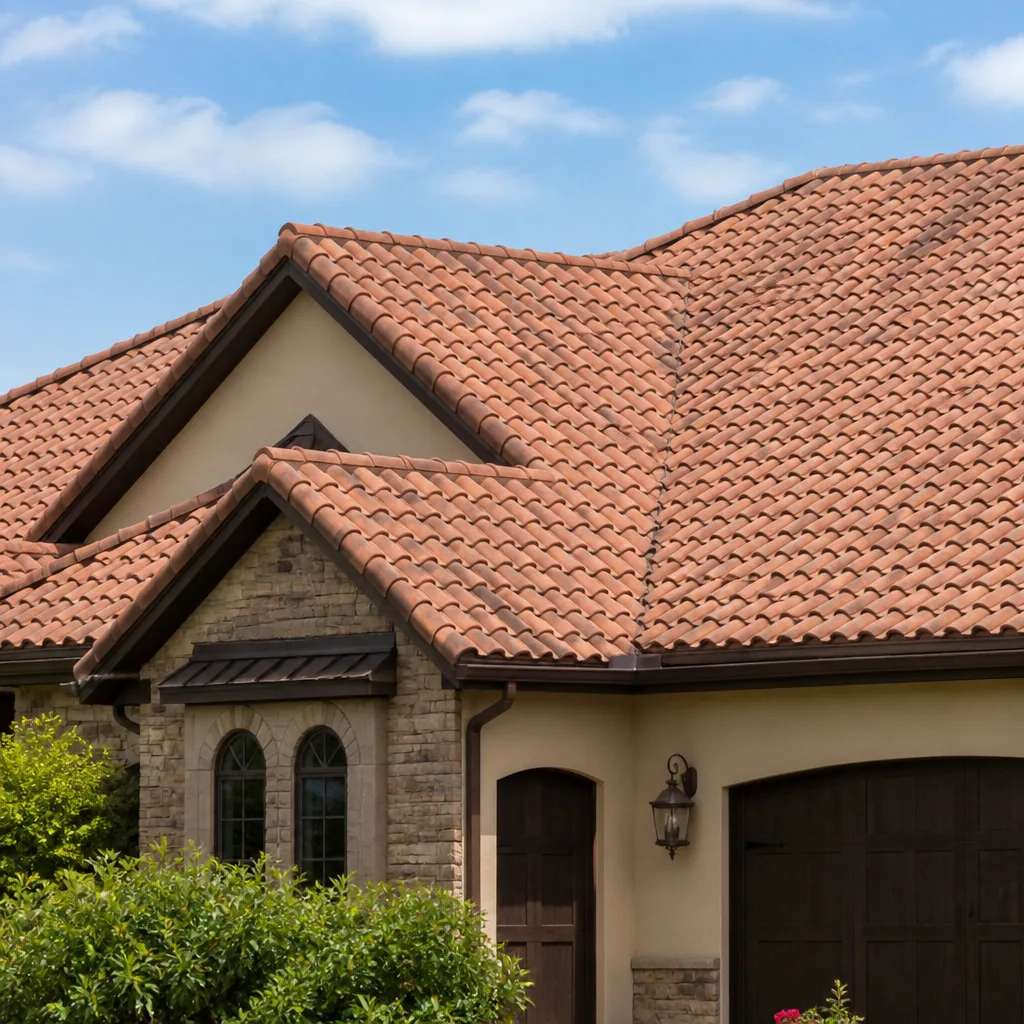 Tile roofing
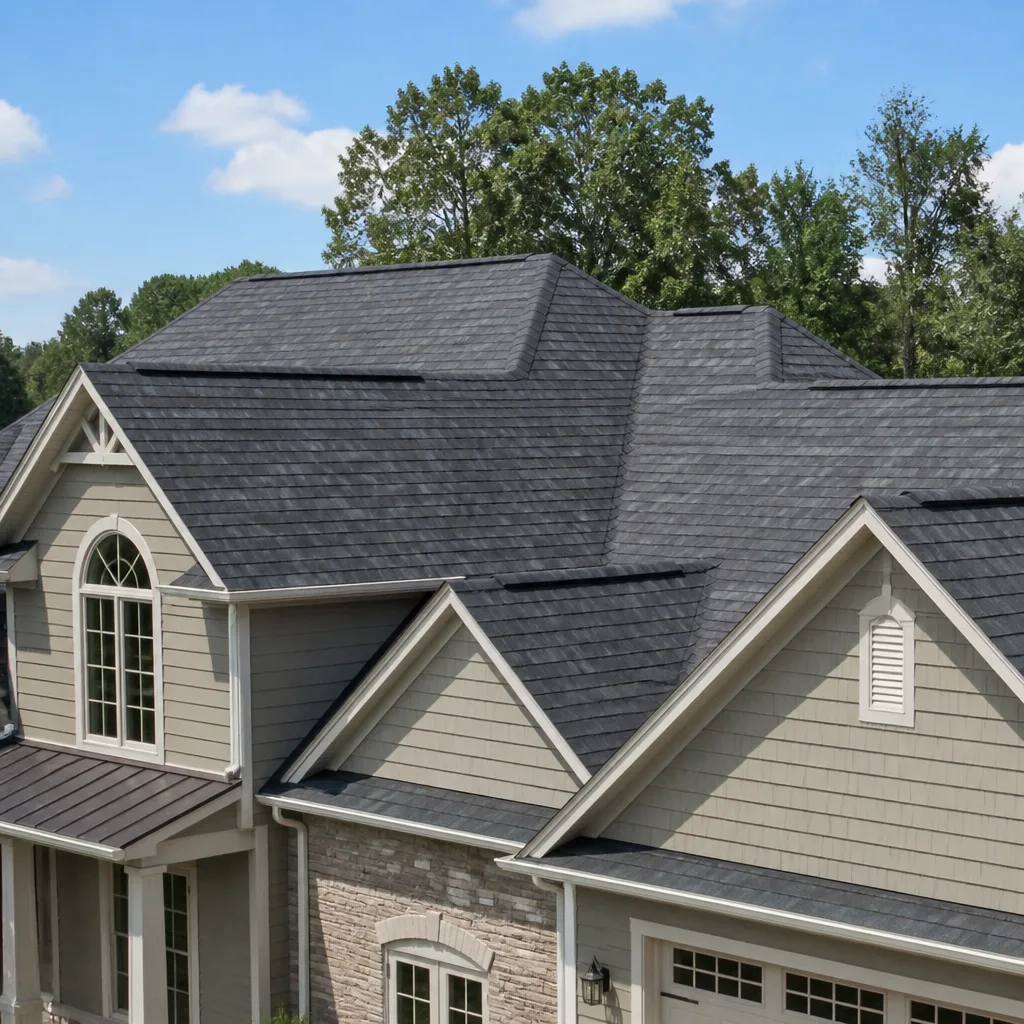 GAF
 Owens Corning
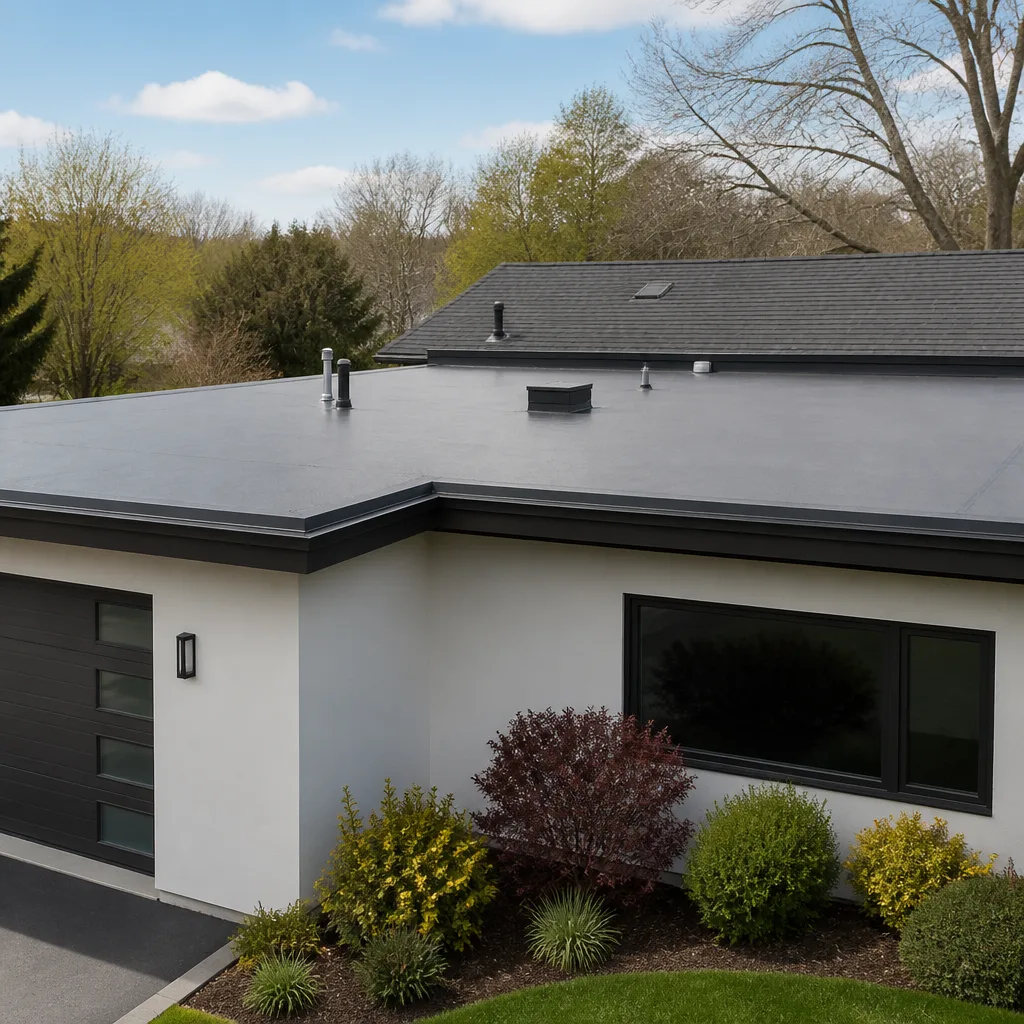 Flat & low-slope
Free roof inspection with deck photos before we talk money - GAF and Owens Corning certified installation
The Complete Guide to Roofing in El Monte
El Monte averages 284 sunny days a year, which sounds great until you realize sustained UV is one of the top three causes of premature shingle degradation, and most roofs here are installed without accounting for it. This guide maps every roofing decision to the specific realities of El Monte: the thermal cycling that stresses materials differently than coastal LA, the aging post-war housing stock with its distinct roof styles, and the material choices that actually hold up under San Gabriel Valley sun. For a deeper dive, see The Complete Roof Repair Guide for El Monte Homeowners. You’ll learn what your roof actually needs, when a repair makes more sense than replacement, and how to avoid the compounding costs that come from skipping stages of the roofing lifecycle.
Styles & brands we work with
Quick Answer
The complete guide to roofing in El Monte covers inspection, repair, and replacement as one connected process, not three separate transactions. El Monte’s specific climate, heavy UV exposure, occasional Santa Ana wind events, and 1950s – 1970s housing stock, means generic California roofing advice often misses what actually matters here. The short version: inspect first, understand your roof’s real condition, then decide whether a targeted repair or full replacement fits your budget and timeline.
Table of Contents
- How El Monte’s Climate Actually Affects Your Roof
- Thermal Cycling: What Hot Days and Cool Nights Do to Roofing Materials
- El Monte’s Predominant Roof Styles and What They Mean for Replacement
- Low-Slope Roofs in El Monte: Which Materials Actually Hold Up
- The Full Roofing Lifecycle: Inspection, Repair, Replacement
- What Roofing Materials Cost in El Monte
- Local Material Availability and San Gabriel Valley Supply Chains
- Common Mistakes to Avoid
- When to Call a Professional
- Frequently Asked Questions
- The Bottom Line
How El Monte’s Climate Actually Affects Your Roof
El Monte sits inland from the Pacific, which means your roof deals with conditions that a Santa Monica or Long Beach roof never experiences. The marine layer burns off early here, leaving roofing materials exposed to direct sun for more hours per day than coastal neighborhoods. That exposure translates into surface temperatures on asphalt shingles that can exceed 150 degrees Fahrenheit during summer afternoons, even when the air temperature reads 90.
The San Gabriel Valley also funnels wind through El Monte in patterns that coastal cities don’t share. Santa Ana events in the fall and winter push dry, gusty air through the valley, lifting shingle edges and driving debris across roof surfaces. We’ve seen roofs in El Monte where wind-driven grit has worn the granule coating off shingles on one specific slope, while the opposite slope looks nearly new. That directional wear is a signature of local wind patterns, not a material defect.
Rain, when it comes, often arrives in short, intense bursts rather than long drizzles. This matters because a roof that would handle Seattle’s steady mist without issue can leak in El Monte when a sudden downpour overwhelms flashing details that were only marginally sealed. The combination of extended dry periods followed by heavy rain is harder on roofing than either condition alone. Dry cycles cause sealants to shrink and crack, then rain finds those cracks immediately.
Understanding these local conditions before you make any roofing decision is the difference between a roof that lasts 15 years and one that lasts 25. The rest of this guide ties every recommendation back to these El Monte-specific realities.
Thermal Cycling: What Hot Days and Cool Nights Do to Roofing Materials
El Monte’s temperature swings, often 30 to 40 degrees between afternoon highs and overnight lows, subject roofing materials to a stress cycle called thermal cycling. Every material expands when heated and contracts when cooled. Different roofing components expand at different rates, which means the joints between them are constantly working, flexing, and pulling.
This is why El Monte roofs often fail at seams and intersections before the field of the roof shows obvious wear. The shingles in the middle of a roof slope have room to expand and contract as a unit. But where roofing meets flashing, vents, skylights, or walls, the differing expansion rates create a concentrating point of stress. Over hundreds of thermal cycles, sealants lose adhesion and fasteners back out slightly. The roof doesn’t look damaged, but it has become vulnerable at exactly the points where water would love to enter.
Asphalt shingles respond to thermal cycling differently than tile or metal. Asphalt is a thermoplastic material, meaning it softens when hot and hardens when cold. Decades of thermal cycling in El Monte’s climate causes the asphalt to lose volatile oils, a process called outgassing, which reduces flexibility. Once flexibility is lost, shingles become brittle and prone to cracking under wind uplift or even foot traffic during an Roof Inspection in El Monte.
The practical takeaway: roofs in El Monte benefit from regular inspection of seams, flashing, and transitions, even when the field of shingles looks fine. The first sign of thermal cycling damage is rarely a missing shingle. It’s cracked sealant around a pipe boot or lifted flashing along a chimney that you can only see from up close.
El Monte’s Predominant Roof Styles and What They Mean for Replacement
Much of El Monte’s housing stock was built between 1950 and 1975, and the roof styles from that era dominate the city’s residential streets. These are predominantly ranch-style and traditional single-story homes with relatively shallow roof pitches, often between 3:12 and 5:12. Some two-story homes from the same period exist, but the single-story ranch is the defining El Monte roof profile.
Shallow pitch roofs in El Monte create specific replacement considerations. The lower the slope, the more important underlayment becomes. A steep roof sheds water quickly, relying on gravity. A shallow roof lets water linger, which means the secondary water barrier, the underlayment, does real work. If you’re replacing a shallow-pitch roof and your contractor proposes skipping upgraded underlayment to save money, that’s the wrong place to cut.
The original roofing on most El Monte homes from this era was either wood shake or three-tab asphalt shingle. Wood shake has largely disappeared due to fire code changes and maintenance costs, but some older homes still have it. Three-tab shingle is still common, though many homeowners have upgraded to architectural shingles over the years. Architectural shingles, also called dimensional shingles, handle thermal cycling better than three-tab because their laminated construction resists the cracking that plagues thinner, single-layer shingles.
When you’re planning a replacement, the existing roof’s structural capacity matters. If a previous owner installed tile over framing that was originally designed for lightweight shingles, the structure may have been overloaded. A proper Roof Replacement in El Monte starts with a structural assessment, not just a material selection. The right replacement respects what the house can carry.
Low-Slope Roofs in El Monte: Which Materials Actually Hold Up
Low-slope roofs, those with a pitch below 3:12, are common in El Monte, particularly on additions, carports, and some mid-century modern designs. They present a different set of challenges from pitched roofs, and the material choices that work on a 5:12 roof won’t necessarily work on a 1:12 roof. Shingles on a low-slope roof are a liability because water moves slowly enough to find every seam and gap.
For low-slope roofs in El Monte, the materials that actually hold up are modified bitumen, which has a long track record in hot climates, and certain single-ply membranes like TPO and PVC. Modified bitumen handles thermal cycling well because it flexes without cracking. Its darker surface absorbs heat, which isn’t ideal for energy efficiency, but the material itself remains stable under sustained UV exposure when installed correctly with proper surfacing.
TPO is often marketed as the modern solution for low-slope roofs, and it has genuine advantages, primarily reflectivity that lowers attic temperatures. But TPO’s performance depends heavily on installation quality and the specific membrane thickness. We’ve seen TPO roofs in El Monte where seams opened up within five years because the installation crew rushed the heat welding process. The material wasn’t the problem. The installation was.
One material commonly oversold for low-slope roofs in the San Gabriel Valley is spray polyurethane foam. It can work, but it demands exacting installation conditions, specifically temperature and humidity control, that are hard to achieve in El Monte’s hot, dry summers. If the foam is applied when conditions are wrong, the roof fails early. We generally steer El Monte homeowners toward membrane systems with longer proven service lives in this climate.
The Full Roofing Lifecycle: Inspection, Repair, Replacement
The roofing lifecycle in El Monte has three stages: inspection, repair, and replacement. They are connected, not separate. Skipping stages creates compounding costs, because a small problem that a $400 repair would have solved becomes a $1,800 structural repair, which becomes a $22,000 full replacement. Understanding the lifecycle helps you make decisions at the right time, not after the damage has spread.
Here’s how the stages connect:
- Inspection identifies the actual condition. A roof inspection is a fact-finding process. It documents the roof’s age, material condition, flashing integrity, ventilation, and signs of active leaks. In El Monte, inspections should also note directional wear from Santa Ana winds and UV exposure patterns on specific slopes. The output is a clear picture, not a sales pitch.
- Repair addresses specific, localized problems. A repair fixes a defined issue: a cracked pipe boot, a torn shingle, a failed section of flashing. The goal is to stop active damage and extend the roof’s functional life. Repairs are the right call when the roof is structurally sound and the majority of the material still has years of service left.
- Replacement addresses systemic failure. Replacement becomes the right call when repairs would exceed the cost of a new roof within a short window, when the decking is compromised, when the shingles have reached the end of their service life, or when leaks are occurring in multiple locations. A replacement in El Monte should account for local climate factors: UV-resistant materials, proper ventilation, and underlayment suited to thermal cycling.
The mistake homeowners make is jumping to stage three before completing stage one. A contractor who wants to sell you a replacement before inspecting the roof isn’t doing you a favor. An honest Roof Repair in El Monte starts with an inspection that tells you what you actually need. Sometimes that’s a $400 repair. Sometimes it’s a new roof. Either way, you should know why.
What Roofing Materials Cost in El Monte
Roofing material pricing in El Monte follows the same general hierarchy as the rest of Southern California, but local labor rates and San Gabriel Valley supply chain factors push total project costs slightly above the national average. Understanding the cost structure helps you evaluate quotes intelligently instead of reacting to sticker shock.
For a typical 1,800-square-foot single-story home in El Monte, here’s what you can expect:
- Three-tab asphalt shingles: $8,000 – $12,000 installed. The entry-level option. Lower material cost, but shorter service life under El Monte’s UV load, typically 15 – 18 years with proper maintenance.
- Architectural asphalt shingles: $12,000 – $18,000 installed. The most common choice for El Monte replacements. Thicker, more UV-resistant, 22 – 30 year expected life depending on brand and installation quality. Brands like GAF, CertainTeed, and Owens Corning dominate this category.
- Value-tier architectural shingles: $9,000 – $14,000 installed. Mid-range brands like IKO, Atlas, and Tamko offer solid performance at a lower price point. The savings come from brand positioning, not necessarily from material quality differences.
- Standing seam metal: $22,000 – $35,000 installed. Highest upfront cost, but excellent UV resistance and a 40+ year service life in El Monte’s climate. Metal handles thermal cycling better than any asphalt product.
- Concrete or clay tile: $20,000 – $32,000 installed. Common on higher-end El Monte homes and some mid-century styles. Extremely durable, but requires structural verification before installation due to weight.
- Modified bitumen low-slope: $9,000 – $15,000 for a typical low-slope section. The workhorse for El Monte additions and carports.
Repair pricing follows a simpler logic. A targeted repair in El Monte, replacing a few damaged shingles, sealing a pipe boot, or patching a small section of flashing, typically runs $350 – $900 depending on access difficulty and material match. More involved repairs, like replacing a roof valley or a large flashing section, can reach $1,500 – $3,000. The key is getting an inspection first so you know the repair will actually solve the problem.
Material choice in El Monte should account for UV resistance first, then wind rating, then aesthetics. The shingle brands that dominate the premium tier, GAF, CertainTeed, Owens Corning, earn their price with longer warranties and more consistent manufacturing. The value tier, brands like Tamko, Atlas, IKO, and Boral, offer legitimate savings for homeowners who plan to sell within a decade or whose budget dictates a shorter horizon. Neither choice is wrong. What matters is that the choice is yours, not the contractor’s default.
Local Material Availability and San Gabriel Valley Supply Chains
El Monte’s location in the San Gabriel Valley gives it a supply chain advantage that homeowners rarely consider. The roofing material distribution centers serving metro Los Angeles sit within a 30-mile radius of El Monte, which means most shingle brands and colors are available within days of ordering, not weeks. This is different from smaller markets or remote areas where lead times stretch to a month or more.
That proximity translates into real project benefits. If a tear-off reveals decking damage that requires additional material, the crew can source it quickly without leaving your roof open for days. If you need to match an existing shingle color on a partial repair, the distribution network around El Monte increases the odds of finding a close or exact match. The San Gabriel Valley’s density of roofing supply houses also creates competitive pricing pressure that keeps material costs more stable here than in less developed markets.
The supply chain does have pinch points. During late summer and early fall, when El Monte homeowners rush to complete roofing projects before the rainy season, certain premium architectural shingle colors in high-demand brands like CertainTeed and GAF can backorder for two to three weeks. We advise homeowners planning a replacement to either book the project in spring when availability is strongest, or to lock in material early if a fall installation is necessary.
Boral’s concrete and clay tile products, which some El Monte homeowners choose for their durability and period-appropriate look on mid-century homes, have longer lead times than asphalt shingles. Tile is heavier to transport and lower in volume, so distribution centers stock fewer pallets. Expect two to four weeks for tile orders that aren’t already in local inventory. Planning ahead matters more for tile than for shingles.
Common Mistakes to Avoid
These are the mistakes we see most often on El Monte roofs, or rather, the mistakes we see most often after they’ve already caused damage.
- Skipping the inspection and going straight to replacement. A roof with five years of life left doesn’t need a $18,000 replacement. It needs a $600 repair. You won’t know which one you need until someone actually looks at the roof. Never let a contractor quote a replacement before conducting an inspection.
- Choosing the cheapest shingle to save money upfront. Entry-level three-tab shingles in El Monte’s UV environment can fail years before their rated lifespan. The savings on the front end disappear when you’re replacing the roof again 15 years later while your neighbor’s architectural shingles are still going strong at 22.
- Ignoring ventilation during a replacement. El Monte’s summer heat turns a poorly ventilated attic into an oven that bakes shingles from below. Proper ridge and soffit ventilation extends shingle life and lowers cooling bills. If your quote doesn’t include ventilation assessment, ask why.
- Installing shingles on a low-slope roof. Shingles on a slope below 3:12 will leak in El Monte, especially during intense winter rain events. The right materials for low-slope sections are membranes, not shingles. This is not a matter of opinion. It’s physics.
- Accepting a quote without material specifics. “Architectural shingle” isn’t a brand or a product. Your quote should name the manufacturer, the product line, the warranty terms, and the exact underlayment. If the quote is vague, the contractor is leaving room to substitute cheaper materials later.
- Waiting until the rainy season to address known issues. El Monte’s rain comes in short, intense bursts that find every weak point in a roof. A small leak that was a $500 repair in August becomes a $3,500 repair in December when water has saturated the decking and damaged interior drywall.
- Layering a second shingle roof over the first to save on tear-off costs. It’s legal in some cases, but it’s never the right call in El Monte’s heat. The second layer traps heat, accelerates shingle aging, and hides decking damage until it’s structural. Tear off the old roof. Your house will thank you.
When to Call a Professional
Some roofing situations are obvious: water dripping through your ceiling, a visible hole, shingles scattered across your yard after a Santa Ana event. Those demand immediate attention and a professional who can get on the roof safely. But the less obvious signs matter too. Granules accumulating in your rain gutters, shingles that are curling or cracking when viewed from the ground, dark streaks that don’t wash off, daylight visible through your attic boards, a roof that’s past its 20th birthday without an inspection. All of these warrant a professional assessment. Roof work is dangerous, and a fall from even a single-story El Monte ranch house can be fatal. Don’t climb up there yourself. Vista Roof Repair offers free estimates in El Monte. Call (866) 253-8145 to schedule an inspection and get an honest assessment of what your roof actually needs.
Frequently Asked Questions
A full roof replacement on a typical 1,800-square-foot El Monte home runs between $12,000 and $18,000 for architectural asphalt shingles, with three-tab shingles starting around $8,000 and premium materials like tile or standing seam metal ranging from $20,000 to $35,000. The final number depends on roof pitch, accessibility, the condition of the decking underneath, and material choice. Call (866) 253-8145 for an exact quote. Estimates are free.
Architectural asphalt shingles in El Monte typically last 22 to 30 years, while three-tab shingles last 15 to 20 years due to the sustained UV exposure from 284 sunny days annually. Tile and metal roofs can last 40 to 50 years or longer in this climate. The difference between a roof that hits the low end of its range and one that hits the high end is usually ventilation, installation quality, and whether repairs were made before small problems became big ones.
Yes, the City of El Monte requires a building permit for roof replacements, and for structural repairs that go beyond simple shingle replacement. The permit process ensures the new roof meets current building codes for wind uplift and fire resistance, both of which matter in the San Gabriel Valley. A legitimate roofing contractor handles the permit application as part of the project. Call (866) 253-8145 if you have questions about the permit process for your specific roof.
If the roof is structurally sound and the damage is localized to one or two areas, a repair is often the right call. Repairs in El Monte typically cost $350 to $900 for minor issues and $1,500 to $3,000 for more involved problems like valley or flashing replacement. The deciding factor is whether the majority of the roof still has meaningful service life left. That’s what an inspection tells you.
Architectural asphalt shingles with a high wind rating and strong UV resistance are the best balance of cost and performance for most El Monte homes. They handle the thermal cycling of hot days and cool nights better than three-tab shingles, and they’re available from multiple brands, including GAF, CertainTeed, and Owens Corning, so you have real choice. For low-slope sections, modified bitumen or properly installed TPO are the proven performers.
After a strong Santa Ana wind event, look for shingles in your yard, lifted shingle edges visible from the ground, and granules collecting unusually fast in your gutters. Santa Ana winds in El Monte often cause directional damage, meaning one slope of your roof will show lifted or creased shingles while the opposite slope looks untouched. If you suspect wind damage, schedule an inspection. Call (866) 253-8145 to get on the schedule.
A roof that leaks only during heavy rain usually has a flashing issue or a sealant failure that tolerates light moisture but gets overwhelmed during intense downpours. El Monte’s rain pattern, long dry spells followed by short, heavy bursts, makes these leaks common. The dry periods shrink and crack sealants, then the rain finds the gaps immediately. These are typically repairable if caught early. Call (866) 253-8145 to have it looked at before the next storm.
The Bottom Line
Roofing in El Monte is different from roofing anywhere else in California. The sustained UV, the thermal cycling of hot days and cool nights, the Santa Ana wind patterns, and the aging housing stock all shape what your roof needs and how long it will last. The right approach starts with inspection, not assumption. It chooses materials based on local performance, not just brand recognition or price. It repairs when repair works and replaces when replacement is the only honest answer. If you take one thing from this guide, take this: know your roof’s actual condition before you spend a dollar on it. The team at Vista Roof Repair home works across all seven major brands and handles inspection, repair, and replacement with the same crew. Call (866) 253-8145 for a free estimate.
Written by the team at Vista Roof Repair, serving El Monte since 2017. Explore more guides & resources for local homeowners.
See the difference
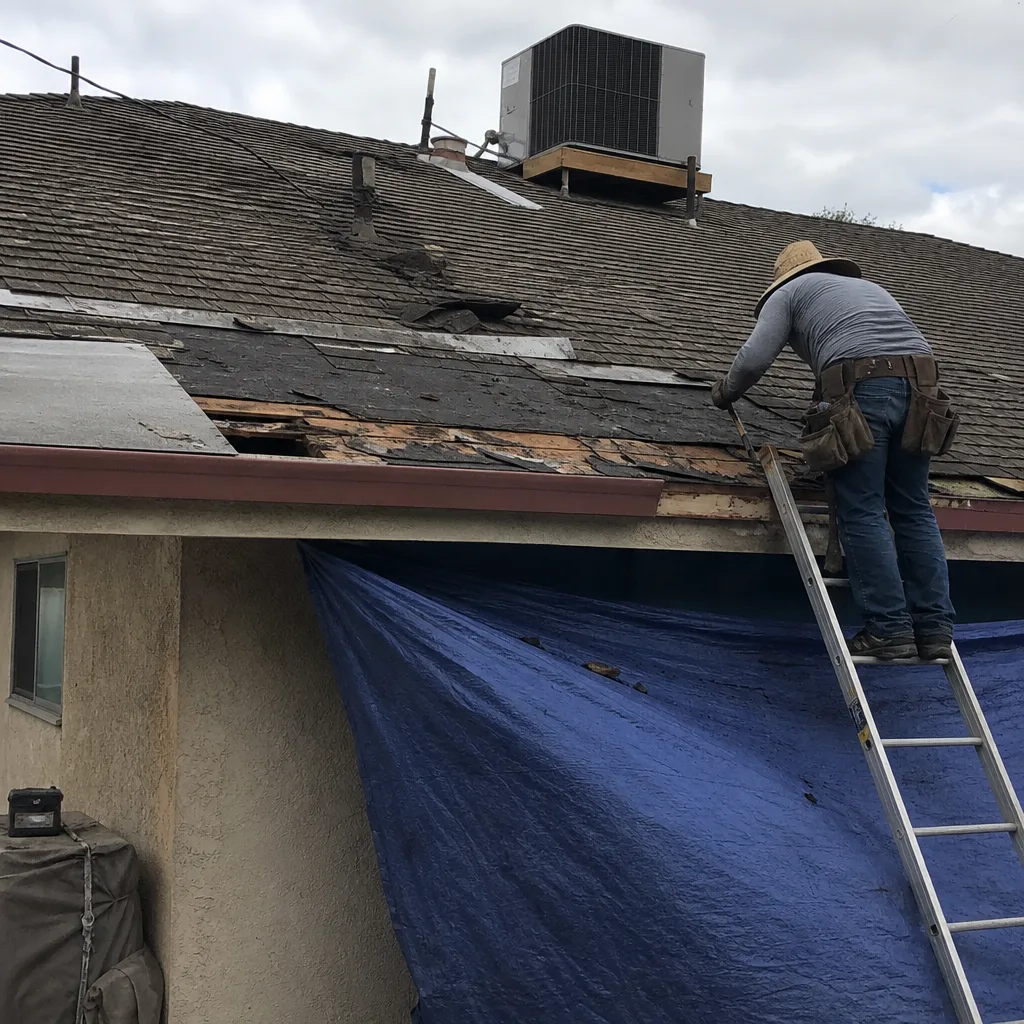 Before
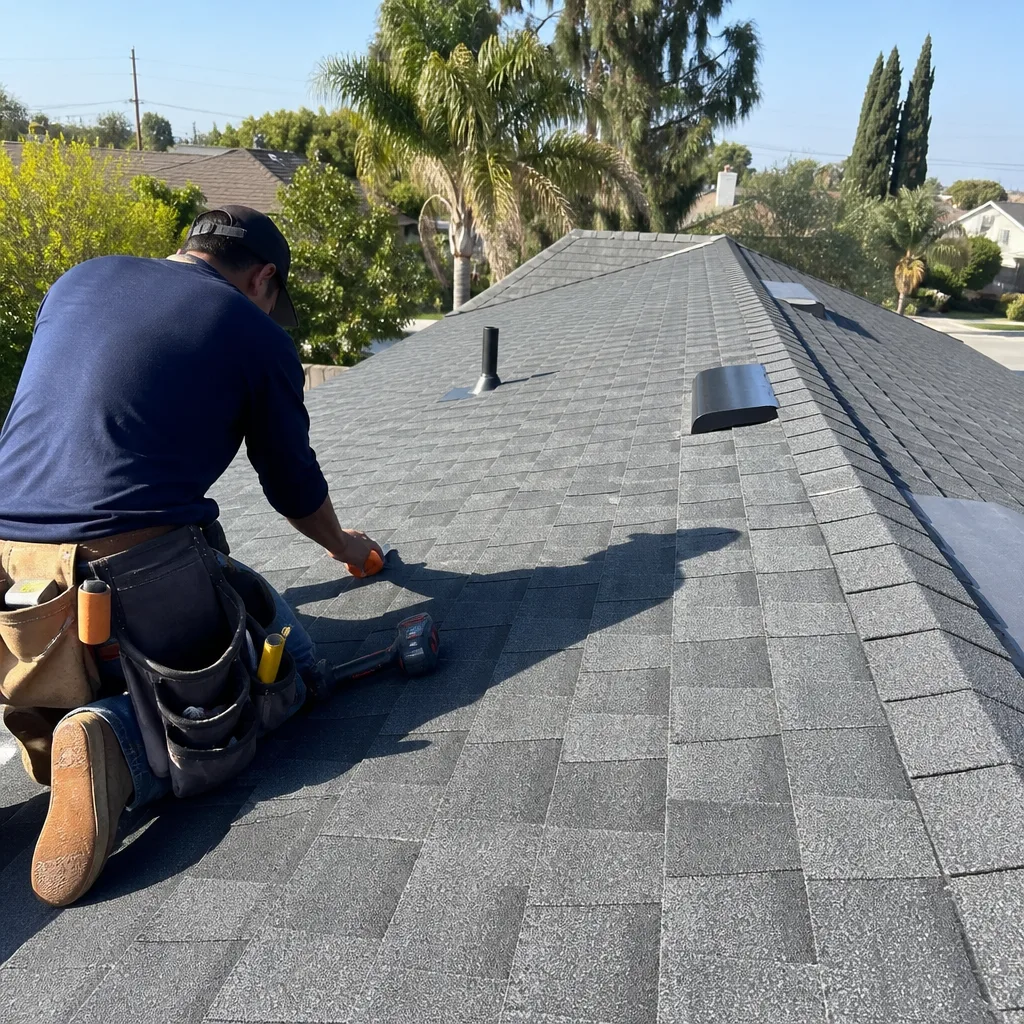 After
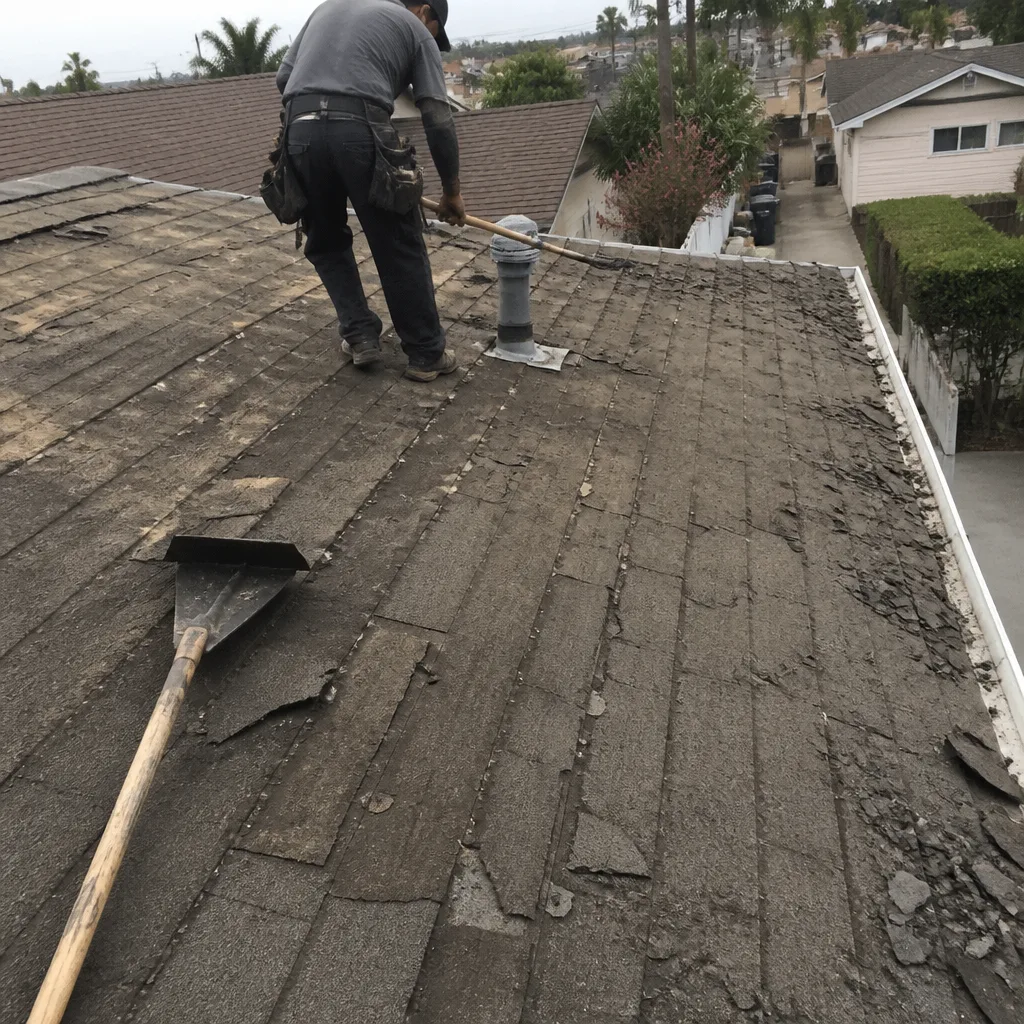 Before
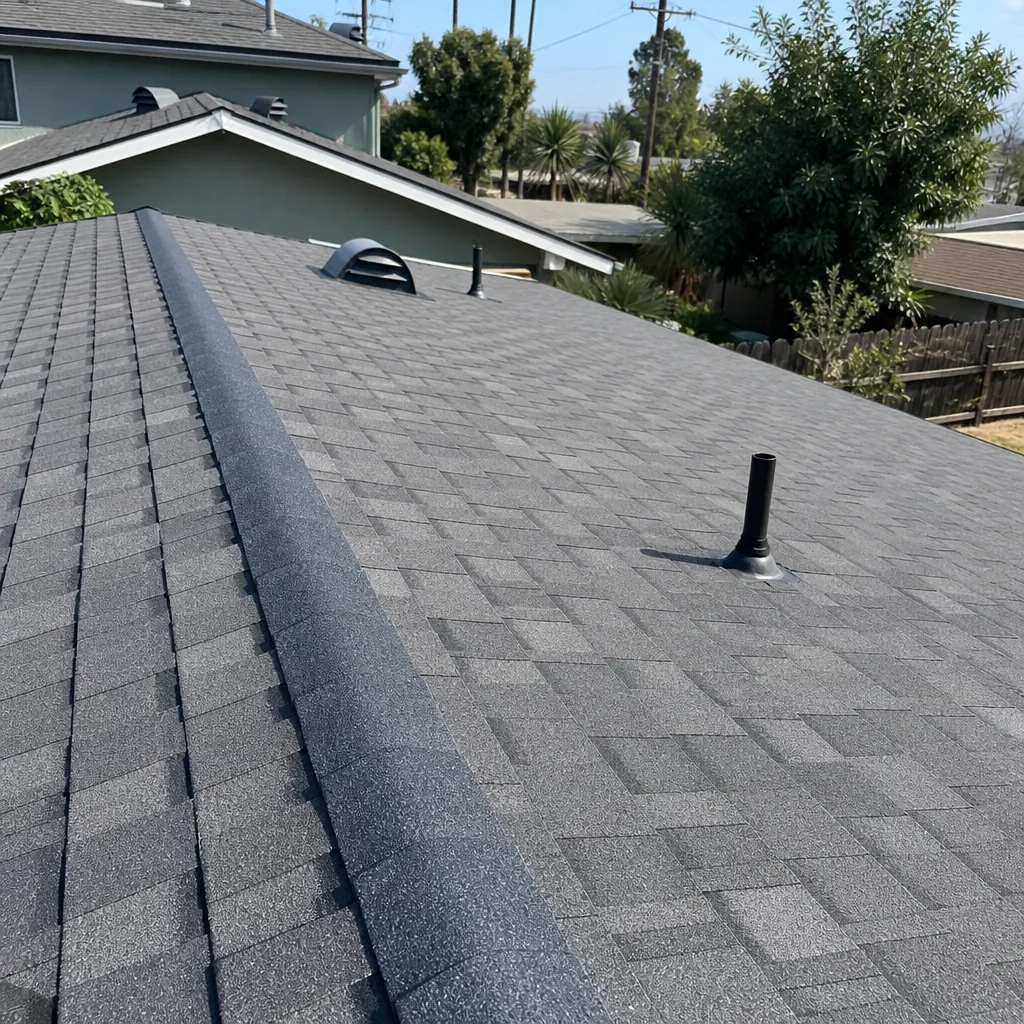 After
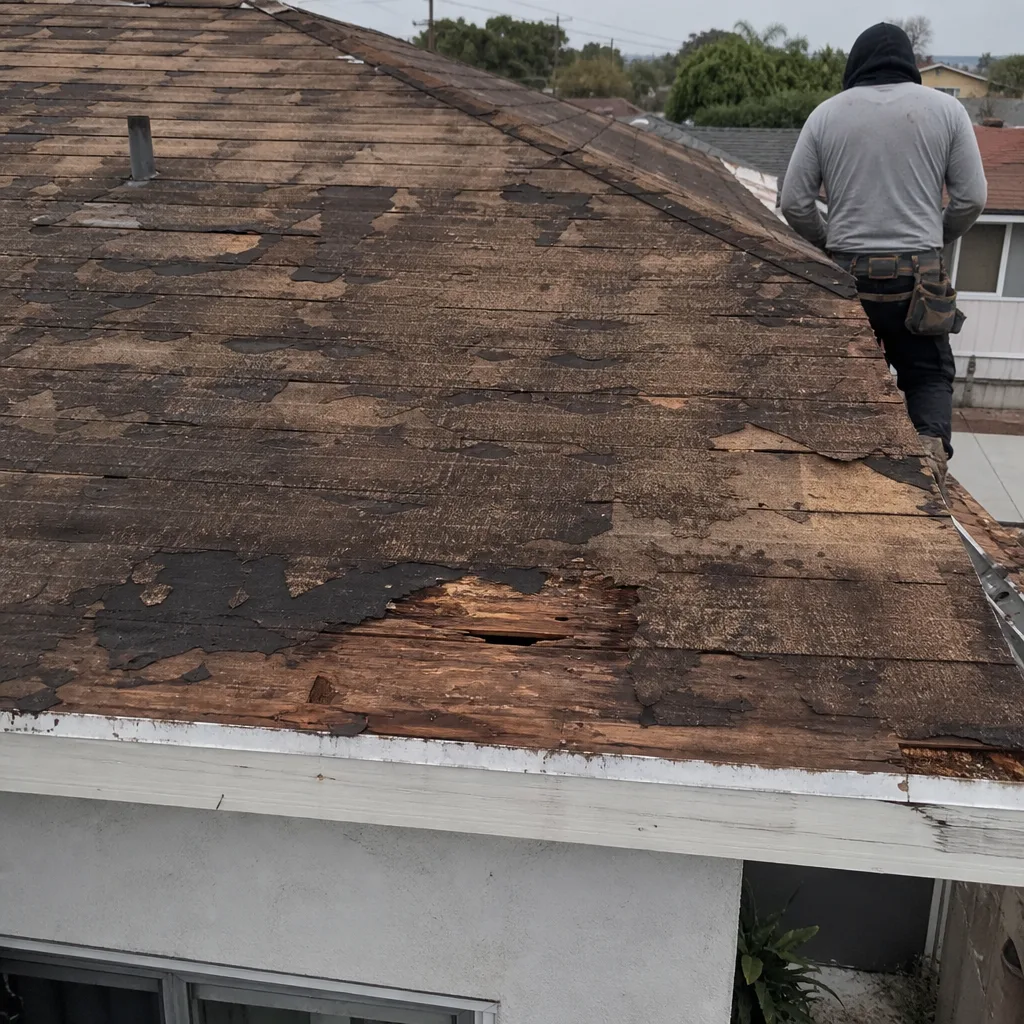 Before
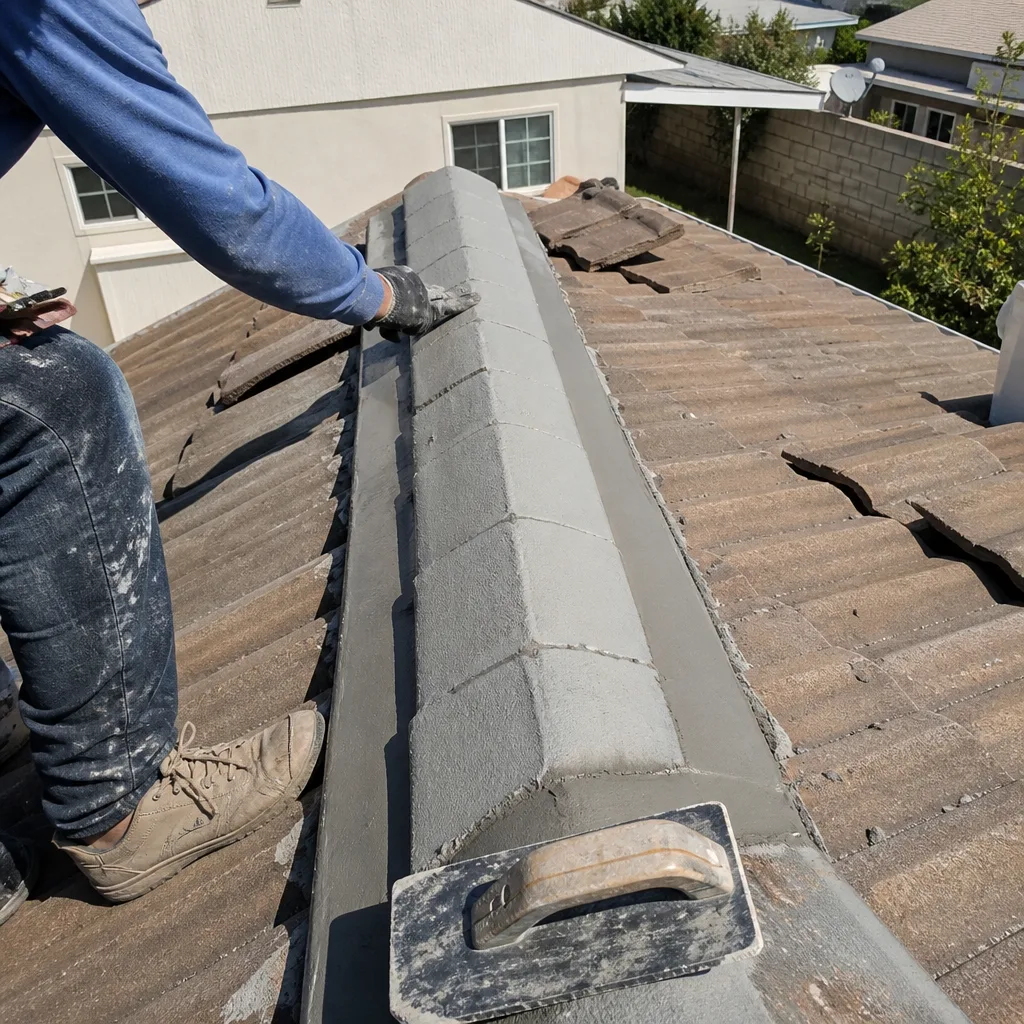 After