Last updated October 30, 2026
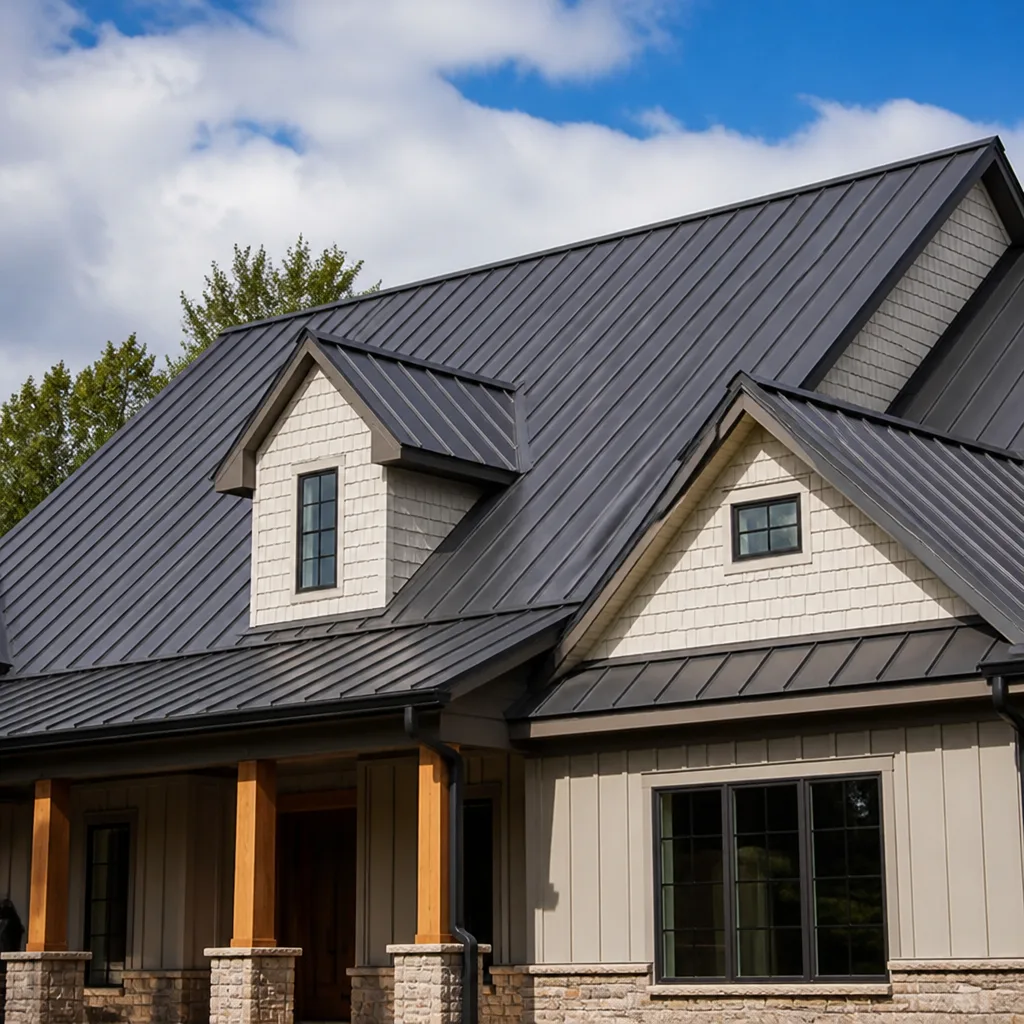 Metal roofing
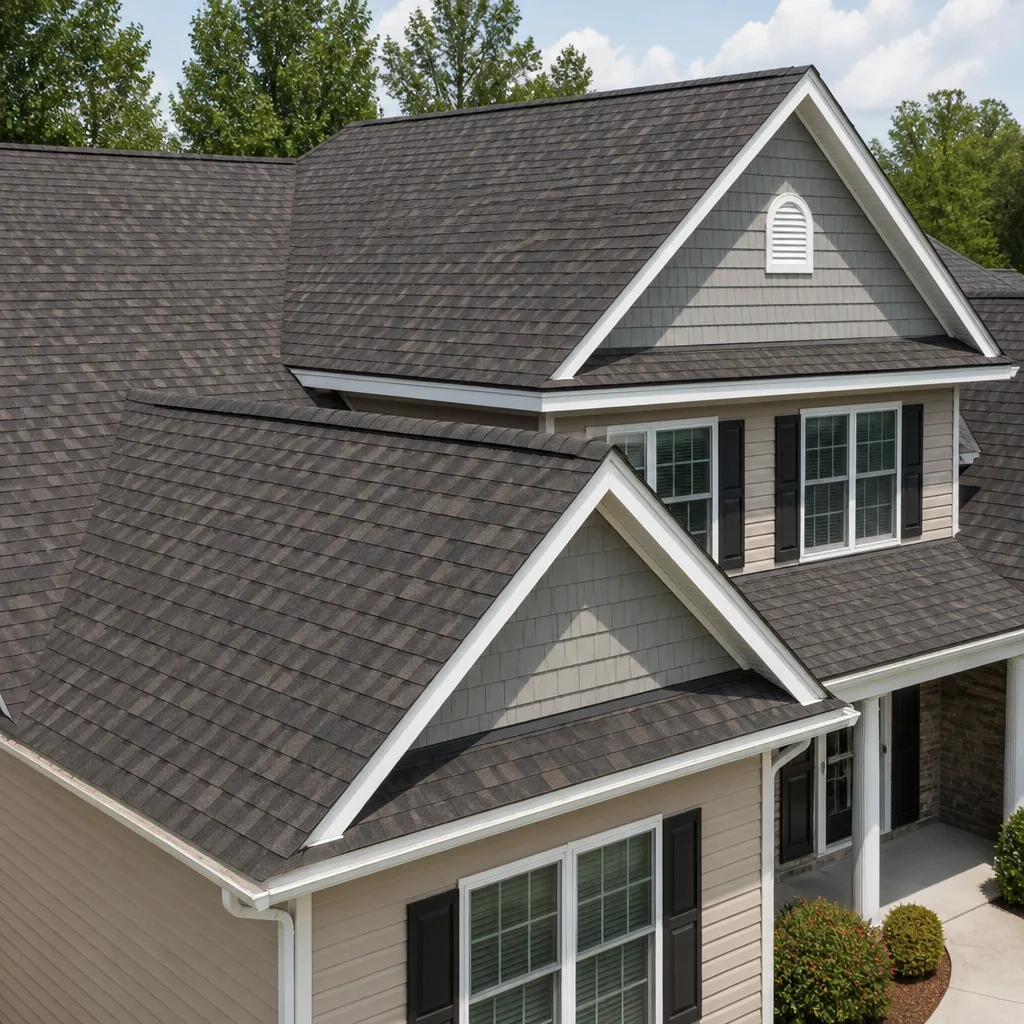 Architectural shingles
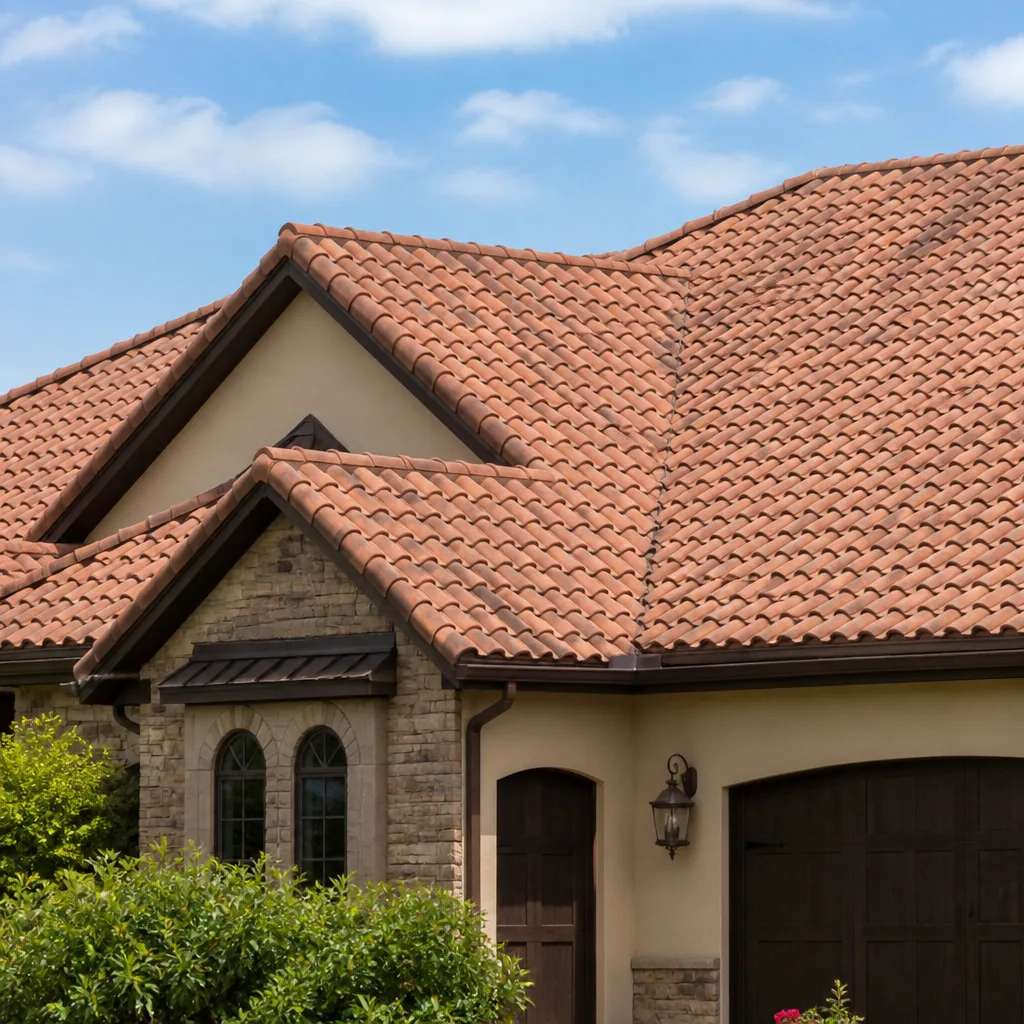 Tile roofing
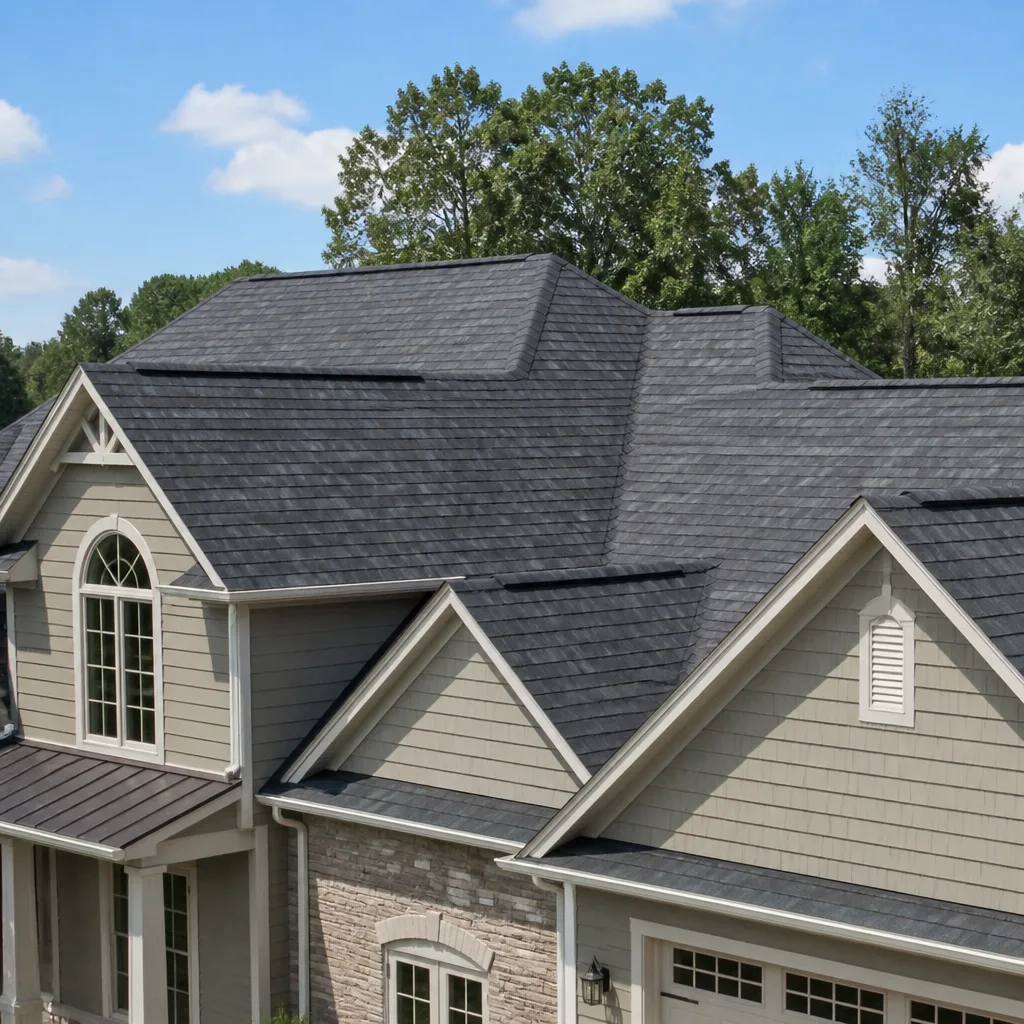 GAF
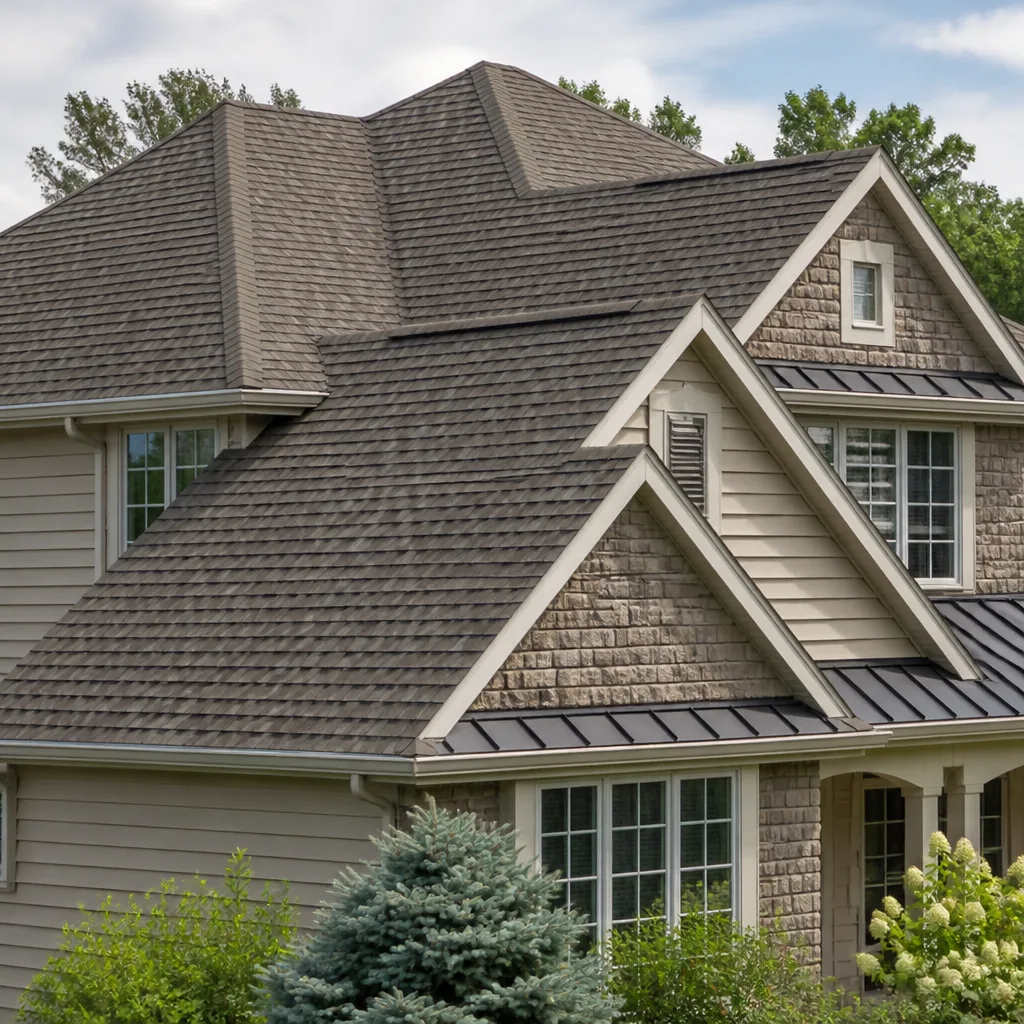 Owens Corning
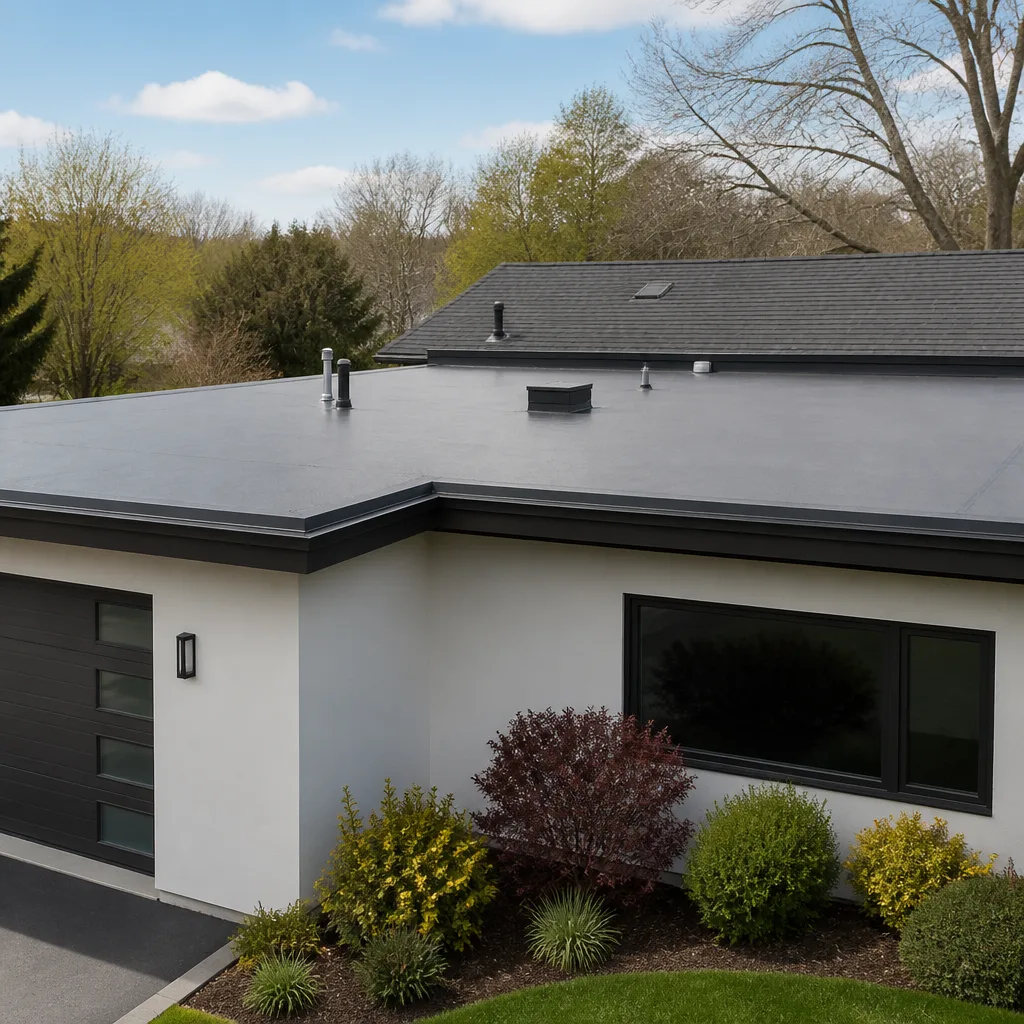 Flat & low-slope
Free roof inspection with deck photos before we talk money - GAF and Owens Corning certified installation
DIY vs Professional Roofing: The El Monte Homeowner’s Decision Guide
California law lets homeowners pull their own roofing permits and do their own work. What the law doesn’t tell you is that the moment your project crosses the permit threshold, a city inspector from El Monte’s Building & Safety Division will hold your work to the exact same code standard as a licensed contractor’s. No curve for effort. No pass for good intentions. This guide walks through where the line actually sits between what a competent homeowner can safely handle and what quietly becomes a liability problem the first time it rains. For related reading, see our Roof Repair Troubleshooting: Common Problems and How to Fix Them. We’ll cover El Monte’s specific code environment, the summer heat factor that most online guides ignore, and the real math on DIY versus professional roofing.
Styles & brands we work with
Quick Answer
For most El Monte homeowners, the honest answer is split: small, non-structural fixes like replacing a few shingles or resealing a vent collar can be DIY work if you’re comfortable on a ladder and understand what you’re doing. But any repair that involves the underlayment, flashing, structural decking, or triggers an El Monte permit requirement is professional territory. The cost of fixing a bad DIY roofing job usually runs two to three times what the original repair would have cost, and that’s before you factor in the liability you carry by pulling an owner-builder permit. Our Roof Repair Maintenance Checklist for El Monte Homeowners can help you spot problems early.
Table of Contents
- What’s Genuinely DIY-appropriate on an El Monte Roof
- What Requires a Professional, Full Stop
- California Owner-Builder Rules: The Liability You Assume
- The Heat Problem: Roofing Physics in El Monte’s Summer
- The Real Cost Math: Tools, Waste, and Fixing Mistakes
- The Three Scenarios Where Professional Work Isn’t Optional
- Step-by-Step: Safely Assessing Your Roof Before You Decide
- Common Mistakes to Avoid
- When to Call a Professional
- Frequently Asked Questions
- The Bottom Line
What’s Genuinely DIY-appropriate on an El Monte Roof
We believe in telling homeowners the truth about their roofs, even when that truth is “you can probably do this yourself.” Some roofing tasks are genuinely low-risk for a competent person who understands basic construction principles and respects ladder safety. The key phrase there is low-risk, meaning a mistake won’t cause structural damage or let water into your home when the next El Monte rain system rolls through.
Here are the tasks that generally fall into DIY range:
- Replacing individual damaged shingles where the underlayment beneath is intact and dry. This is surface-level work. If you can see the shingle, reach it safely, and the layer underneath looks sound, replacing three or four shingles is manageable for someone who’s done basic home repair.
- Clearing debris from valleys and gutters. El Monte gets its share of wind-blown leaves and branches from the San Gabriel Valley’s mature trees. Debris traps water, and water finds its way under shingles. Clearing it doesn’t require roofing knowledge, just a sturdy ladder and situational awareness.
- Replacing a cracked vent boot or pipe collar on a single-story roof with a walkable pitch. This is a common leak source, and the fix is straightforward if you understand how the flashing integrates with the shingles around it.
- Applying a small bead of roofing sealant around a nail pop or a minor flashing gap that hasn’t yet caused leaking. This is triage, not a permanent fix, but it can buy you time.
- Inspecting the roof visually from the ground or a ladder to identify obvious damage after a storm. You don’t need to walk the roof to see missing shingles, lifted edges, or debris accumulation.
What all of these have in common is that they’re surface-level. They don’t require you to cut into the roof, replace underlayment, or touch the structural decking. They’re reversible if done wrong. A badly replaced shingle can be lifted and redone in ten minutes. A badly installed piece of flashing might leak, but you can seal it temporarily and call someone who knows what they’re doing. The risk profile is contained.
What these tasks also have in common is that none of them require a permit in El Monte. That’s the line we’ll come back to throughout this guide, because once a permit enters the conversation, the stakes change entirely.
What Requires a Professional, Full Stop
Some roofing work in El Monte creates more risk than it eliminates the moment a homeowner attempts it. This isn’t about skill level or handiness. It’s about the consequences of a mistake, and whether those consequences are reversible. Here’s where we draw the line.
Any repair that exposes or replaces underlayment. The underlayment is the waterproof barrier between your shingles and the wood decking. It’s the actual thing keeping water out of your house. Once you start peeling back shingles to expose it, you need to know how the existing underlayment was installed, how to integrate new material with old, and how to seal the transitions. One gap at the wrong seam, and the first El Monte winter storm puts water directly onto your ceiling drywall. At that point you’re not just fixing a roof, you’re fixing drywall, insulation, and possibly electrical. The repair bill triples.
Any work involving flashing around chimneys, skylights, walls, or roof-to-wall intersections. Flashing is where the vast majority of roof leaks originate, and it’s also the least forgiving part of a roof to work on. The metal has to be cut, lapped, and sealed in a specific sequence that depends on the roof’s slope, the material it’s made from, and the surrounding shingle pattern. A flashing mistake won’t show up immediately. It’ll show up six months later as a brown stain on your ceiling, and by then the water has been working its way through your roof assembly the entire time.
Any structural repair involving the roof decking. If you can see water stains on the plywood beneath your shingles, or the decking feels soft when you walk on it, that’s structural. The fix involves cutting out damaged sections, checking the framing beneath, and reinstalling decking that meets current El Monte code requirements. This is not surface work. This is the roof’s skeleton, and getting it wrong means your roof could fail catastrophically under load.
Full or partial re-roofs. Any project that involves removing more than a small section of shingles and replacing them is a re-roof in the eyes of the code. Re-roofs require permits in El Monte, and permits require inspections, and inspections require the work to meet current California Building Code. A licensed roofer knows exactly what an El Monte inspector will look for. A homeowner working from YouTube doesn’t.
Repairs on steep-pitch roofs or any roof over two stories. El Monte has a mix of housing stock, from single-story ranchers in the southern neighborhoods to two-story homes scattered throughout. Steep-pitch and second-story work changes the safety equation dramatically. The fall risk isn’t linear, it’s exponential. A fall from a two-story roof isn’t a broken ankle. It’s a spinal injury or worse. We’ve seen too many homeowners rationalize this risk because the repair itself “looks simple.” The repair might be simple. The consequences of a slip aren’t.
California Owner-Builder Rules: The Liability You Assume
California allows homeowners to act as their own general contractor under what’s called the owner-builder exemption. You can pull a permit for your own El Monte property without holding a contractor’s license. The city will issue you the permit. They’ll inspect the work. What they won’t tell you is what happens after.
Here’s how owner-builder liability actually works in practice:
- You assume all responsibility for code compliance. When you pull an owner-builder permit, you sign a form acknowledging that you’re responsible for the work meeting current building code. If an inspector finds violations, you fix them. If a violation gets missed and causes a problem later, the liability is yours, not the city’s.
- You assume all responsibility for worker safety. If you hire a day laborer or an unlicensed worker to help with your owner-builder project and they get hurt on your roof, you’re the employer. California has strict worker’s compensation requirements. Skipping them is a serious legal exposure.
- You carry the disclosure obligation if you sell. California law requires you to disclose any work done on the property, including owner-builder work. If a buyer’s inspector finds problems with your DIY roof, the disclosure becomes a negotiation weapon. You may end up paying for a professional fix anyway, plus the cost of the buyer’s attorney.
- Your homeowner’s insurance may not cover the work. Many insurance policies have exclusions or limitations on owner-performed construction. If your DIY repair fails and causes interior damage, your insurer may deny the claim on the grounds that the work was performed by an unlicensed party. This is one of the least-discussed risks of DIY roofing, and it’s absolutely real.
El Monte’s Building & Safety Division applies the same inspection standards regardless of who pulled the permit. The inspector doesn’t care whether you’re a homeowner or a licensed contractor. They’re checking the work against the same code. The difference is that a licensed contractor has already done this work dozens or hundreds of times, knows exactly what the inspector will look for, and carries the professional liability if something goes wrong. You, as an owner-builder, absorb all of that yourself.
The Heat Problem: Roofing Physics in El Monte’s Summer
Most DIY roofing articles are written as if roofs exist in a comfortable 72-degree environment. In El Monte, that’s a fantasy. The San Gabriel Valley regularly hits the mid-90s and above in summer, and that changes the physics of roofing work in ways that affect both safety and material performance.
Let’s talk about surface temperatures first. Asphalt shingles absorb solar radiation. On a 95-degree El Monte day, a dark shingle roof can reach 140 to 160 degrees Fahrenheit. That’s not an estimate. That’s measured. At those temperatures, several things happen:
- Asphalt shingles become pliable. They’re designed to soften in heat for flexibility, but at 140-plus degrees, they become fragile and easy to tear while being handled. A shingle you’re trying to lift and reset may simply rip, turning a ten-minute repair into a damaged section that now requires professional replacement.
- The working window closes early. Roofers in El Monte do the bulk of their work between dawn and early afternoon during summer, not because they enjoy early mornings, but because the roof surface becomes genuinely dangerous to kneel on after mid-afternoon. A homeowner who decides to “knock out” a repair after work at 5 p.m. in August is working on a surface hot enough to cause second-degree burns through clothing.
- Sealants and adhesives behave differently in heat. Some roofing sealants cure too quickly on hot surfaces, creating a weak bond. Others become too runny and don’t stay where you put them. Getting the right sealant for the surface temperature is a detail most DIYers don’t know to check.
- Self-adhesive membranes and underlayment materials have temperature-specific installation requirements. Some materials require specific surface temperature ranges for proper adhesion. Install them wrong, and the bond fails within a season or two.
- Heat exhaustion is real. Working on a roof in El Monte summer conditions without proper hydration, rest cycles, and temperature management isn’t a toughness issue, it’s a medical risk. Licensed roofing crews manage this with scheduled breaks, early start times, and crew rotation. A homeowner working alone doesn’t have those buffers.
This is one of the areas where professional roofing in El Monte genuinely differs from DIY. A licensed crew knows how to sequence the work around heat. They know which materials need shade or early-morning installation. They know when to call it a day. A homeowner who’s already taken the day off work to tackle a roofing project is going to push through, and that’s exactly when mistakes and injuries happen.
The Real Cost Math: Tools, Waste, and Fixing Mistakes
The DIY roofing pitch usually goes like this: “Materials only cost X, so you’ll save Y by doing it yourself.” That’s not a full accounting. It leaves out everything that actually determines whether DIY saves money or costs more. Here’s the honest breakdown for El Monte.
Start with tool rental and equipment. A small repair might only require tools you already own: a pry bar, a hammer, roofing nails, a utility knife. But once the project involves removing a section of shingles down to the underlayment, you need a roofing nail gun, an air compressor, a shingle cutter, and possibly a dump trailer for tear-off debris. Tool rental for a weekend of that kind of work runs $150 to $300 in the El Monte area, and that’s before you account for the time spent picking up and returning equipment.
Then there’s material waste. Roofing materials are sold in bundles and rolls sized for specific coverage areas. A professional roofer orders precisely what’s needed and has experience minimizing waste. A DIYer almost always overbuys because they don’t know exactly how much they need, or underbuys and has to make a second trip mid-project. Either way, there’s inefficiency. Overbuying means you paid for shingles you’ll never use. Underbuying means the project stalls, and on a torn-open roof, a stall can mean weather exposure.
And then there’s the cost of fixing DIY mistakes, which is the line item nobody includes upfront. In our experience, the most common DIY roofing failures in El Monte are:
- Improper nail placement that leaks within the first year. The fix requires removing and replacing the affected shingles.
- Flashing errors that don’t show up until the rainy season. By the time the leak is visible, water has been penetrating for months.
- Underlayment damage caused by a well-intentioned repair that exposed more than intended and wasn’t properly resealed.
- Sealant overuse that traps moisture instead of shedding it, creating rot conditions under the shingles.
Each of these failures means the homeowner paid for materials, paid for tools, spent their weekend on the roof, and then paid a professional to fix both the original problem and the new problem they created. That’s not a savings. That’s a negative return. The realistic math in El Monte: a DIY repair that goes well saves you $200 to $500 on a small job. A DIY repair that goes wrong costs you $800 to $1,500 more than just calling a roofer in the first place. You’re gambling with bad odds.
The Three Scenarios Where Professional Work Isn’t Optional
There are three situations in El Monte where the DIY-versus-professional debate is already over before it starts. These aren’t preference calls. They’re hard requirements.
Insurance requirements. If a roof repair or replacement is being paid for by a homeowners insurance claim, the insurer will almost always require the work to be performed by a licensed contractor. This isn’t a suggestion. It’s a condition of the claim. Insurers know that owner-performed work carries higher failure rates, and they’re not going to pay out a claim and then pay again when the DIY fix fails. This is a Roof Repair in El Monte situation, not a weekend project. In the same way, if you’re planning a full replacement, you’ll want to understand all your options before committing; the right approach can save you significant money over time.
HOA rules. Many El Monte neighborhoods have homeowners associations, and HOAs frequently have written rules about exterior modifications, including roofing. Some HOAs require licensed contractors for any major exterior work. Others have aesthetic guidelines that dictate specific material types or colors, which is easier to comply with when working with a roofer who knows how to source compliant materials across brand lines like Owens Corning, IKO, or Atlas. Pulling an owner-builder permit on an HOA-governed property without checking the covenants first is a recipe for a violation notice and potential fines.
Permit-triggered inspections. As we covered earlier, any project that requires an El Monte permit comes with inspections, and inspections come with code compliance requirements. A full re-roof triggers this automatically. So does any repair that affects a certain percentage of the roof area. The moment a permit is required, the work gets held to professional standards, and the barrier to entry is no longer about your skill level. It’s about whether you can pass a code inspection on your first try. Most homeowners can’t, not because they’re not capable, but because they don’t know the specific El Monte code amendments and inspector expectations that a Roof Replacement in El Monte contractor deals with every week.
Step-by-Step: Safely Assessing Your Roof Before You Decide
Before you decide whether a roofing issue is DIY or professional, you need to know what you’re actually looking at. A Roof Inspection in El Monte will give you a full picture, and at Vista Roof Repair, that’s exactly where we start. We’ll tell you what your roof actually needs before any replacement is ever proposed. Here’s how to do a safe preliminary assessment from the ground and from a ladder, without putting yourself in harm’s way.
- Start with the ground-level visual pass. Walk the perimeter of your El Monte home and look for visible signs: missing shingles, curled edges, dark streaks, sagging ridgelines, or shingle granules collecting in the gutters. Use binoculars if you have them. This pass costs nothing and exposes obvious problems immediately.
- Check the interior ceiling and attic for water indications. Look for brown stains, bubbling paint, or damp spots on ceilings, especially near the roof’s valleys and around chimneys or vent pipes. In the attic, look for water stains on the underside of the decking and check for daylight coming through any gaps. Interior evidence tells you whether a problem is active or already resolved.
- Use a ladder to examine the edges and first few rows of shingles. Most wind damage starts at the edges, and most visible wear shows up there first. Keep the ladder on stable ground, maintain three points of contact, and don’t climb onto the roof itself unless it’s a single-story, walkable pitch, and you’re confident in your footing. Remember the surface temperature issue: even at 80 degrees ambient, a roof surface can be uncomfortable to touch by early afternoon in El Monte.
- Document what you find with photos. Take clear, well-lit pictures from multiple angles. These photos serve two purposes: they help you track whether damage is getting worse, and they’ll help any professional you call give you a more accurate sense of what you’re dealing with before they even arrive.
- Look for the specific damage patterns that indicate professional-level repair. If you see multiple cracked or missing shingles in the same area, loose or missing flashing around any penetration, granule loss exposing the felt beneath the shingles, or any softness or sagging, that’s not a DIY repair. That’s a call to a professional.
Here’s a practical reality: most roofing problems that look minor from the ground turn out to be more involved once you’re up close. That’s not because roofers are trying to upsell you. It’s because the roof is a layered system, and surface problems usually have subsurface causes. The missing shingle you spotted from the driveway might be a simple replacement, or it might be the visible symptom of degraded underlayment that’s been failing for months. The only way to know for sure is an actual inspection.
Common Mistakes to Avoid
- Assuming a repair is surface-level without checking underneath. The shingle you can see is rarely the whole story. Lifting a damaged shingle without understanding what’s underneath it can expose you to a problem you weren’t prepared to fix. Verify before you start, or the repair expands beyond your control.
- Working on the roof during peak El Monte heat. The surface temperature on a summer afternoon can exceed 140 degrees. Beyond the heat exhaustion risk, hot shingles tear easily and sealants behave unpredictably. If the work can’t be done in the morning, wait for a cooler day.
- Using the wrong sealant for the material and temperature. Not all roofing sealants are alike. Using a sealant designed for different conditions or materials will fail prematurely, and you won’t know it failed until the leak appears. If you’re not sure which sealant matches your shingle type and surface temperature, that’s a sign the repair should be professional.
- Pulling an owner-builder permit without understanding the disclosure and liability implications. Owner-builder work follows you. It’s in the property records, it’s a disclosure item when you sell, and it places liability on you personally if the work fails or someone gets hurt. Read the fine print before you sign the permit application.
- Walking a roof without checking the pitch, stability, and surface temperature first. Roof falls are one of the leading causes of home improvement injuries, and the majority happen in situations where the person “was just going up for a minute.” A minute is long enough to fall from a roof. If the roof is steep, two-story, or hot, the safety risk isn’t worth the repair.
- Attempting a repair because a YouTube video made it look straightforward. The video roof is a brand-new construction in ideal conditions. Your El Monte roof has years of weathering, a specific pitch, and its own unique condition profile. Real-world repairs rarely match the tutorial version, and the gap between them is where mistakes happen.
- Ignoring an active leak because it’s “small” and “it doesn’t rain that much in El Monte.” El Monte may be dry most of the year, but when the rains come, they come with force. A small leak that’s been active for months has been quietly degrading your decking, insulation, and possibly your electrical. The repair cost grows every week it’s ignored.
When to Call a Professional
If you see multiple shingles missing or cracked in the same area, any flashing that’s loose, corroded, or separated from the roof, any softness or visible sagging in the decking, any interior water stains, or any leak that reappears after a rain, the DIY decision is made for you. These are structural and water-intrusion issues, and a mistake at this level has real financial and safety consequences. The same goes for any job that will trigger an El Monte permit: full re-roofs, large-area repairs, or anything affecting the roof’s structural components.
At Vista Roof Repair, we handle Vista Roof Repair home inspections, repairs, and full replacements with the same team from first look to final shingle. We work with seven major roofing brands, including Owens Corning, IKO, and Atlas, so material choice is driven by your roof and your budget, not by whatever inventory we happen to stock. If you’re not sure whether your roofing issue is DIY or professional, start with an inspection. We’ll tell you what your roof actually needs. Vista Roof Repair offers free estimates in El Monte – call (866) 253-8145.
Frequently Asked Questions
Yes, California’s owner-builder exemption allows you to pull a permit for your own El Monte property without a contractor’s license, but you assume full responsibility for code compliance, worker safety, and disclosure requirements. Small repairs that don’t trigger permit requirements have fewer legal implications, but the liability distinction matters once a permit enters the picture.
Fixing a failed DIY repair typically costs $800 to $1,500 more than the original professional repair would have cost, depending on the extent of water intrusion and whether structural materials were damaged. The original problem is still there, plus whatever new damage the repair attempt created. Call (866) 253-8145 for an exact quote – estimates are free.
Improper flashing work is the most common DIY roofing failure we see in El Monte. Flashing mistakes don’t show up immediately – they fail months later, during the first heavy rain, when the water has already been penetrating the roof assembly for an extended period. The repair by that point involves more than just fixing the flashing.
Small, surface-level repairs like replacing a few individual shingles generally don’t require a permit. Repairs that involve removing and replacing large sections, touching the underlayment or decking, or altering the roof’s structural components do require a permit. If you’re unsure whether your project crosses the threshold, the El Monte Building & Safety Division can clarify.
Document the location and extent of the leak with photos, place a bucket to catch active drips, and call for a professional inspection. A Roof Inspection in El Monte will identify whether the leak is isolated or symptomatic of broader roofing failure. Delaying only increases the repair scope and cost.
Several major brands offer product lines that perform well in the San Gabriel Valley’s heat and UV exposure. Owens Corning, IKO, and Atlas all have shingle products with heat-resistant granule formulations and strong wind ratings. The right material for your El Monte roof depends on your specific exposure, roof pitch, and budget. Material choice should be driven by your roof’s actual needs, not by what a contractor happens to carry.
The Bottom Line
The DIY versus professional roofing decision in El Monte isn’t really about whether you’re handy enough. It’s about whether a mistake is reversible, whether a permit gets triggered, and whether the cost math actually works in your favor. Minor surface repairs can be DIY work if you understand the risks and respect the heat. Anything involving underlayment, flashing, structure, or permits belongs in the hands of a licensed professional. The real cost of a bad DIY roofing job isn’t the materials you wasted – it’s the water damage you didn’t know was happening until the ceiling stained. Get an inspection first. Understand what your roof actually needs. Then make the call. Browse our more guides & resources for additional help.
Written by the team at Vista Roof Repair, serving El Monte since 2017.
See the difference
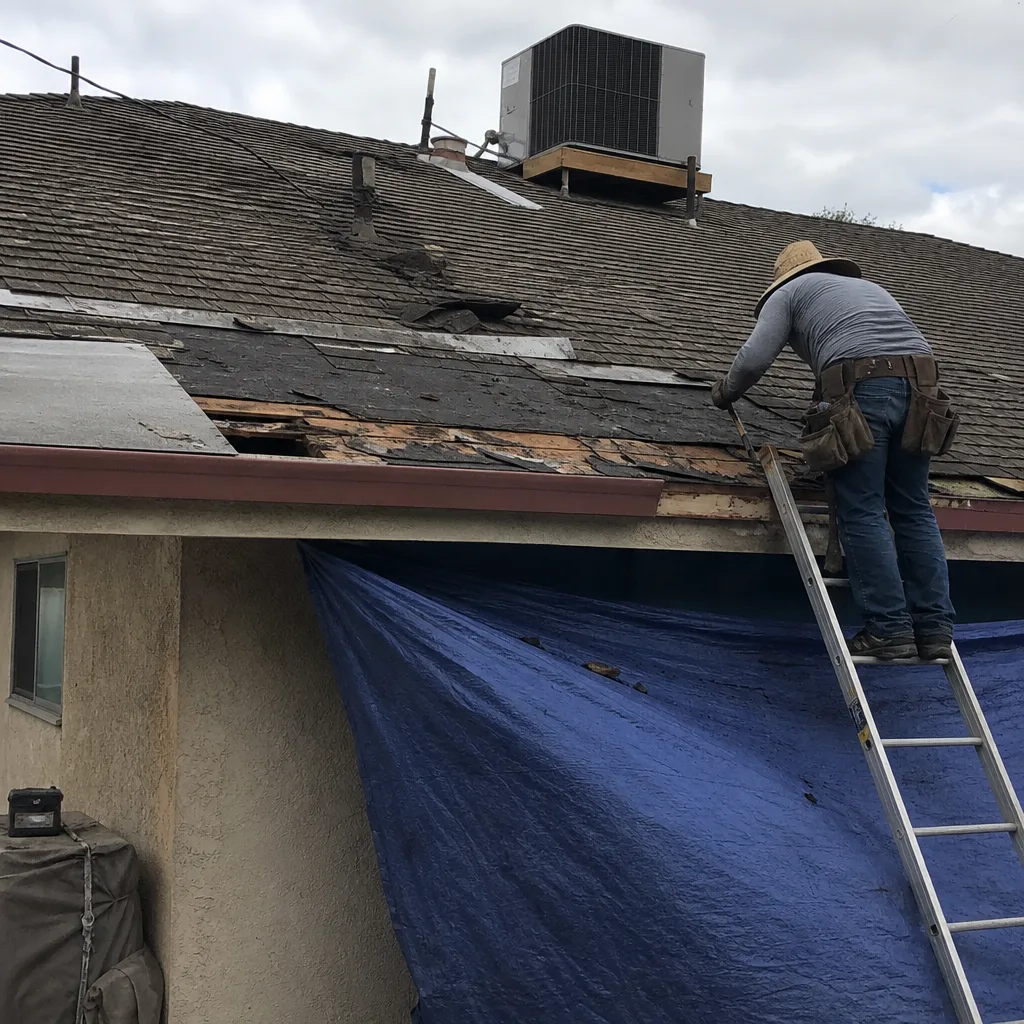 Before
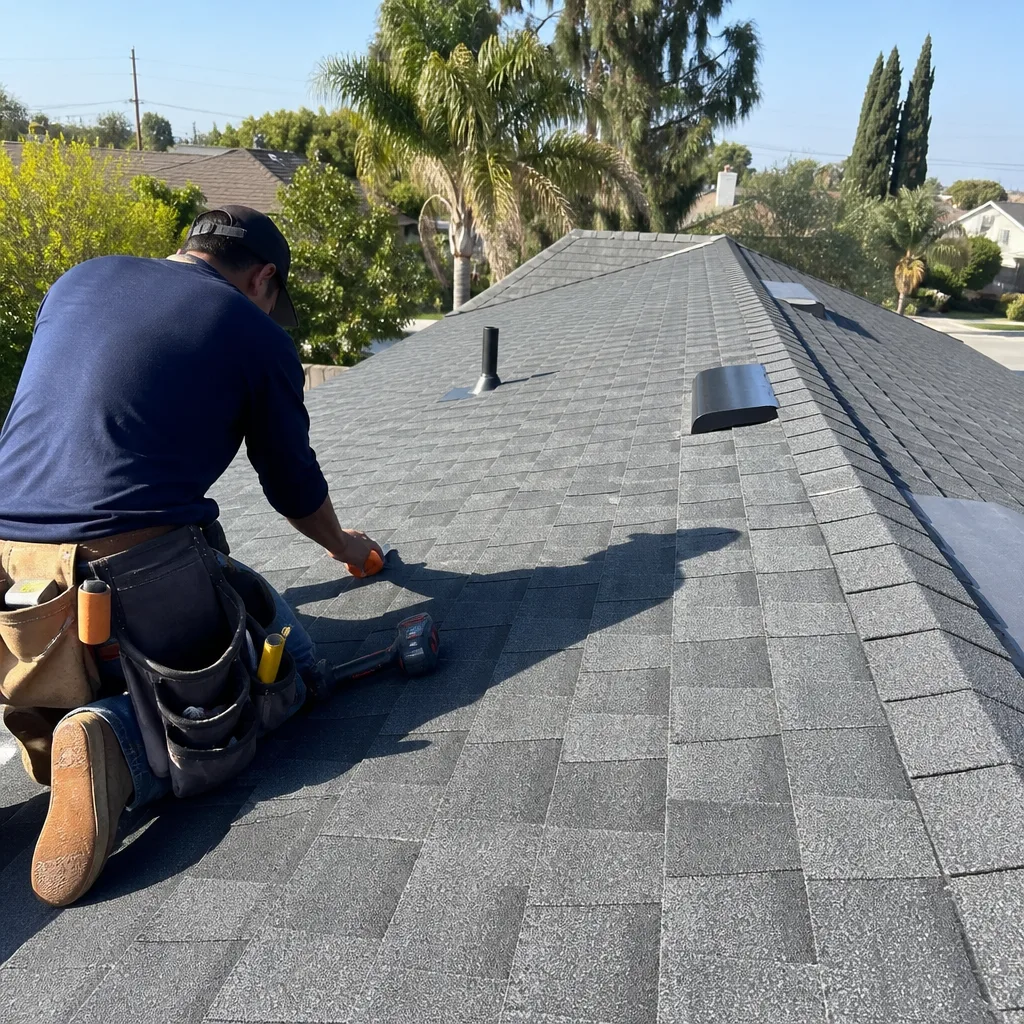 After
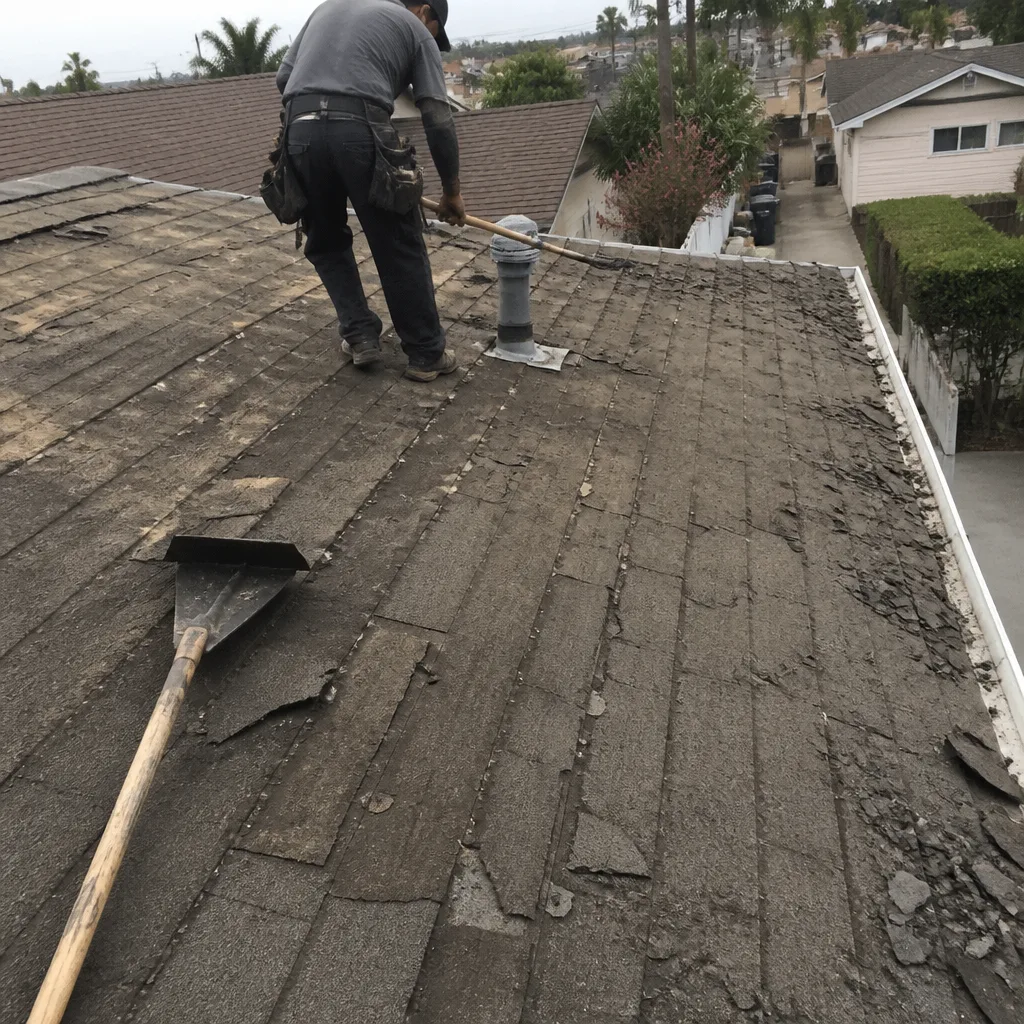 Before
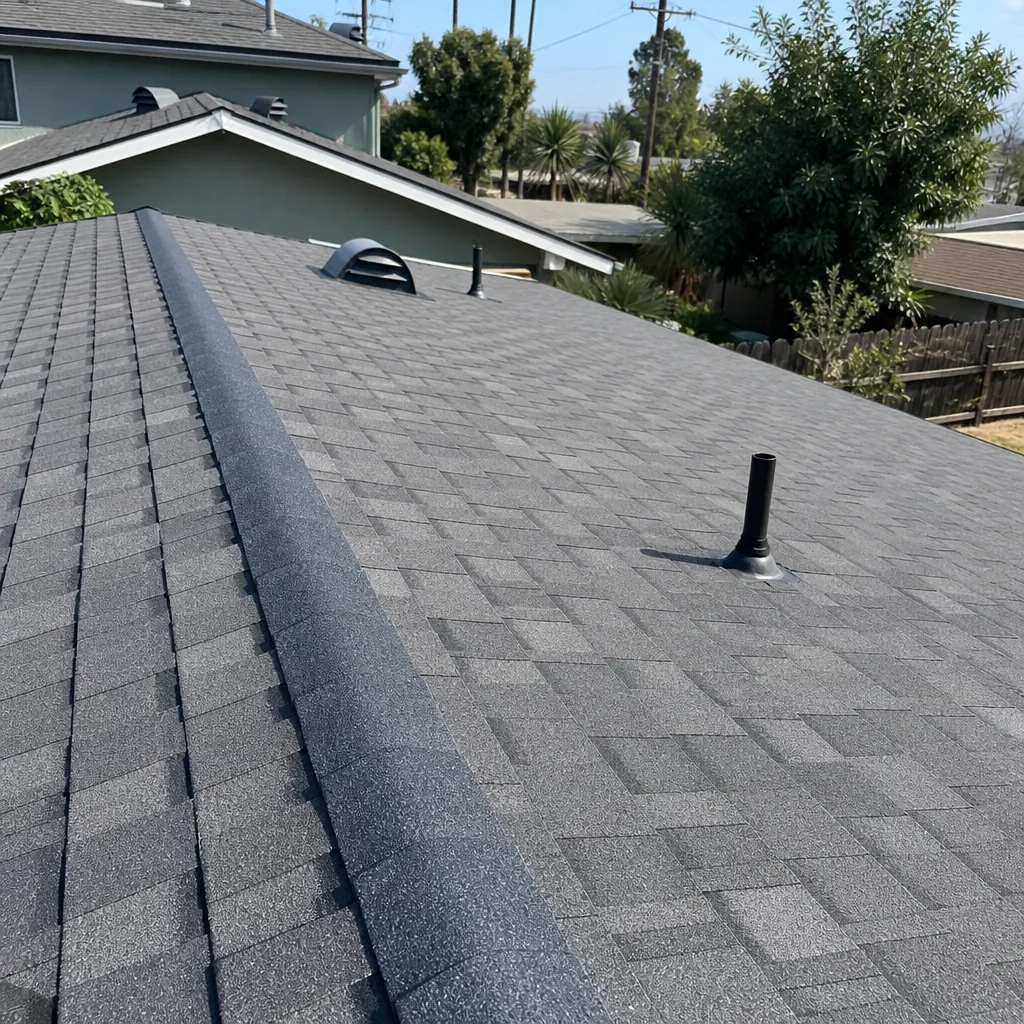 After
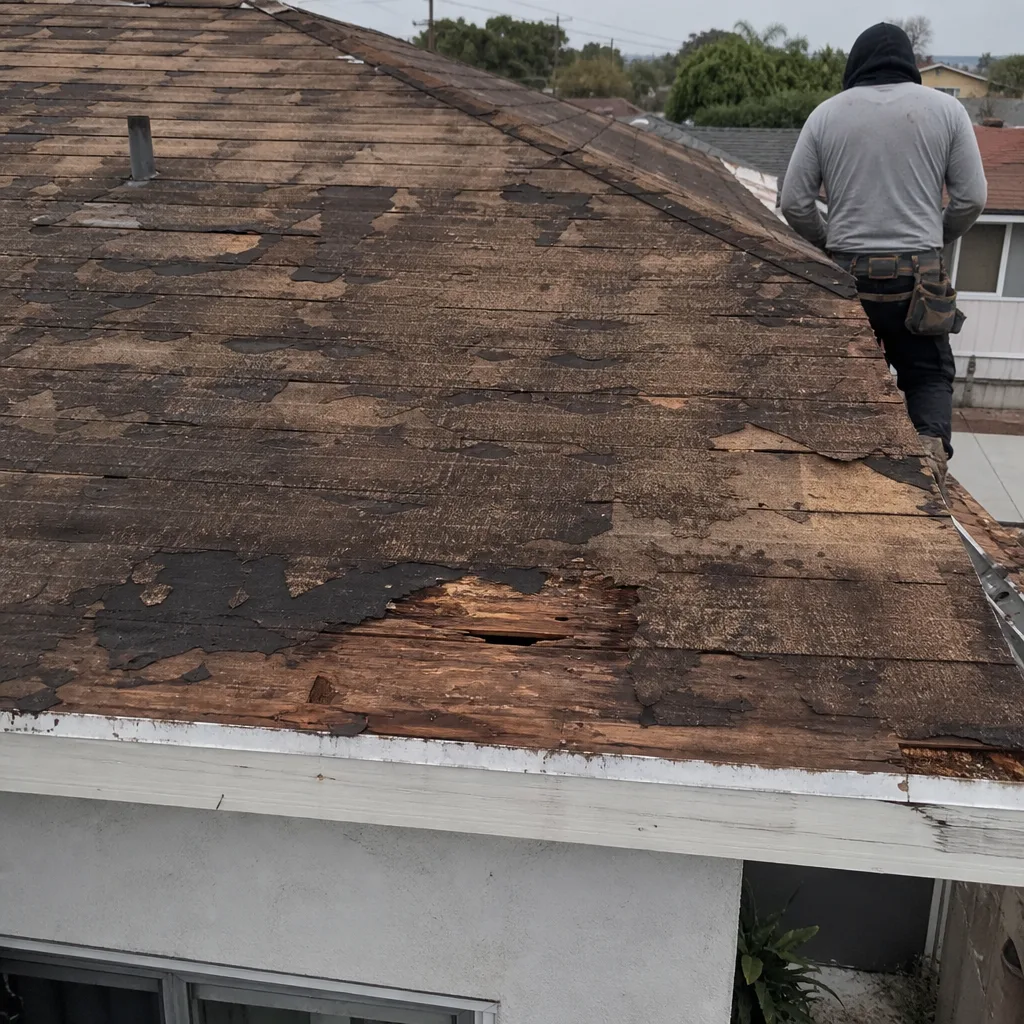 Before
 After